Discover the best family-friendly Autumn walks near Southampton, including the Longslade Heath circular walk and the Southampton to Dorchester rail trail. Perfect for picnics, blackberry picking, and seaside dips.
Autumn always hits me a little harder after a summer of long, sun-filled days and family adventures. I love the planning, the sense of freedom, and the chance to step away from everyday pressures—but as the darker, colder months start creeping in, I can’t help but feel a bit low. I know I’m not alone; I can imagine that this is especially common in northern Europe, where the early nights and chill can hit hard.
At the same time, I remind myself how fortunate we are. We’re safe, healthy, and free to live, work, and spend time with our families. With that in mind, last weekend I gave myself a little pep talk and decided to get the family out to enjoy what makes Autumn beautiful.
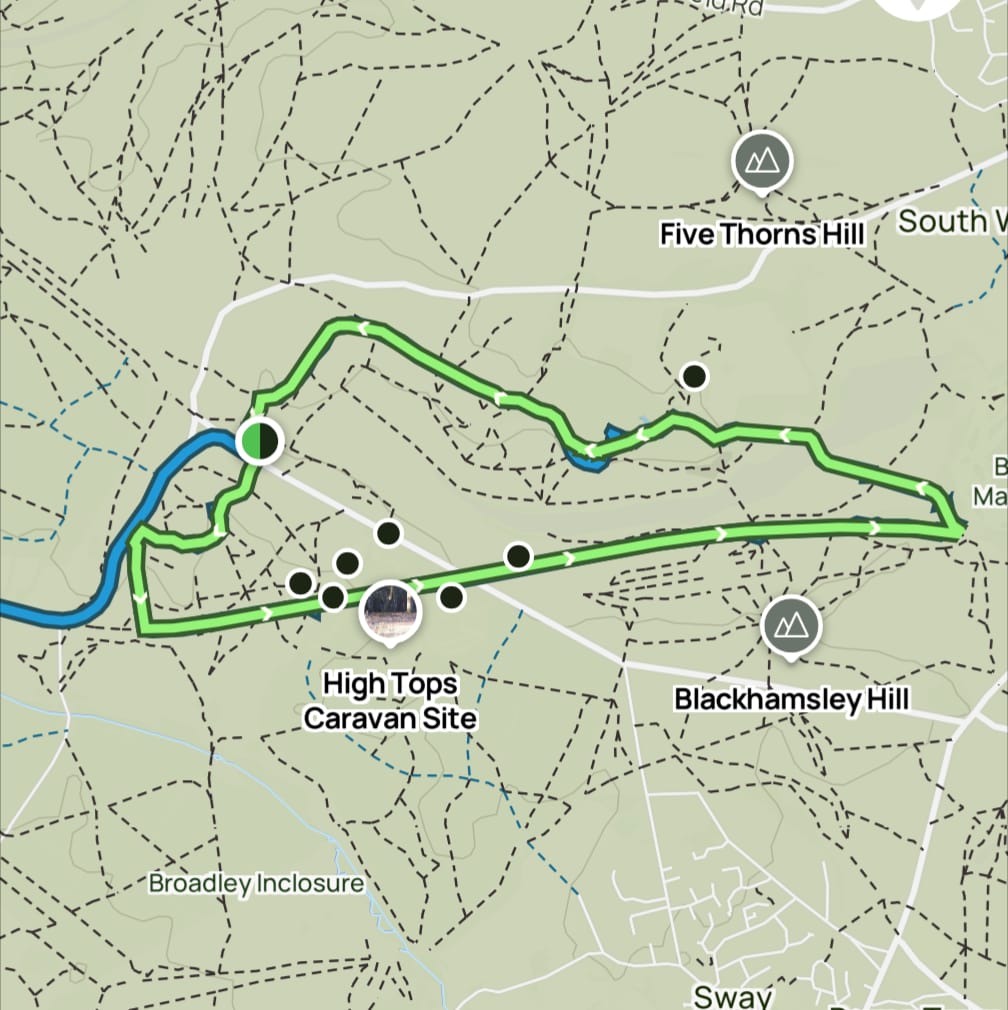
To keep it simple and budget-friendly, I checked AllTrails and found an 8 km circular walk starting at Longslade Heath car park (free parking—always a bonus).
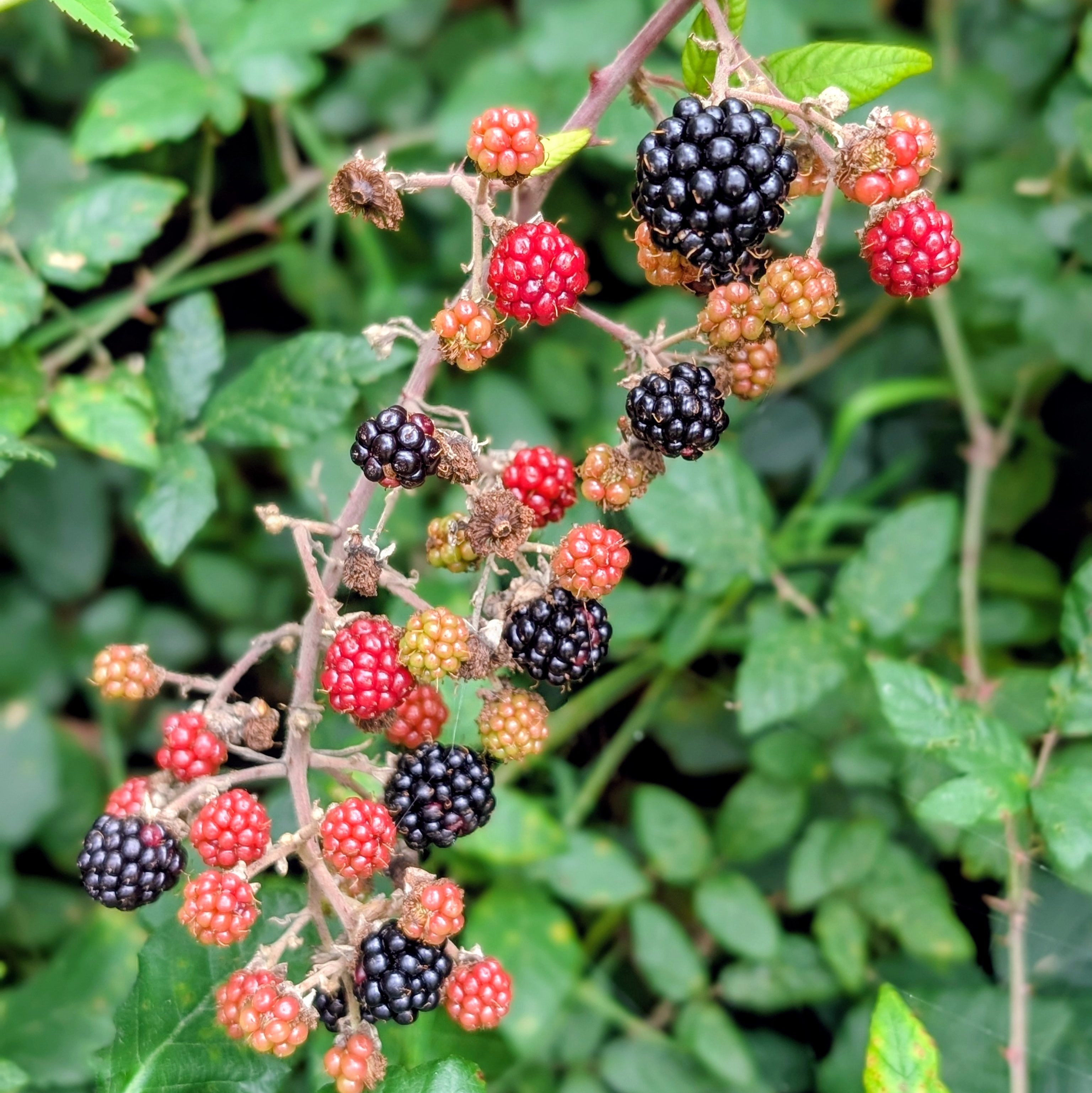
The route takes you through forests and open land, with heather turning shades of purple and paths dotted with ripe blackberries.
My kids love picking blackberries—it’s part competition, part teamwork. This quickly also turned into a foraging activity when we also found sloes and crab apples too, another perk of Autumn. Parts of the walk follows the Southampton to Dorchester rail trail: long, flat, and perfect for walking, cycling, or running. We’d packed a picnic and stopped for lunch with a lovely view of rolling hills, early autumn heather and New Forest ponies.
I picked this walk because it’s long-ish but manageable for the kids, and also just ten minutes from Highcliffe Beach. I love an Autumn swim in the sea, particularly in the waves, and you can definitely find these at Highcliffe Beach. There’s something about deserted Autumn, wavy beaches that feels dramatic, and having a (quick) dip really did wash away the blues. It really did feel like the perfect way to round off the day. Living near some of Britain’s best beaches has its perks, rain or shine.
Even though Autumn can feel heavy, days like this remind me there’s still joy to be found—in foraging for autumn fruit, a walk, a swim, or the changing colours of the forest.
If you’re looking for family-friendly walks near Southampton or things to do in Autumn in the UK, this route is an easy, scenic option that combines forest trails, open heath, and a bit of coastal adventure. There’s even a van selling pizza and ice creams at Highcliffe Beach if you really want to go for it.
In 2022, our family pressed pause on everyday life to embark on an unforgettable five-month backpacking adventure across Asia with our three children. We left our jobs, took the kids out of school, rented out our house, and swapped daily routines for street food, tuk-tuks, and adventure.
From exploring ancient temples in Cambodia to hiking volcanoes in Indonesia, and from the bustling street markets of Vietnam to the tranquil beaches of Sri Lanka, this journey was more than a holiday—it was a life-changing family travel experience filled with learning, growth, and connection.
Whether you’re dreaming of long-term family travel in Asia or wondering how to make it happen, here’s everything we learned after five incredible months of travelling Asia with kids.
How We Balanced Family Travel and Education
One of our biggest concerns before leaving was how the children’s education would be affected. Taking them out of school for five months felt risky, but the reality was different. Travel became their classroom—immersive, hands-on, and full of real-world lessons. Our children didn’t just read about history or geography—they experienced it first-hand. They learned to surf, scuba dive and swim (for Charlotte who was just 5), they saw wildlife beyond anything they could’ve imagined, they saw the devastating impact of palm oil plantations, learnt about the 2005 tsunami in Banda Aceh, experienced history and religion through visiting temples, mosques and hearing the call to prayer, learnt new languages, used different currencies and experiences a vast array of different foods.
Countries Explored on Our Asian Family Backpacking Trip
Our itinerary included:
Thailand
Cambodia
Indonesia
Malaysia
South Korea
Vietnam
Sri Lanka
Each destination offered unique cultural experiences, breathtaking landscapes, delicious local cuisine, and countless unforgettable moments. From temple-hopping in Cambodia to watching sunrises over Indonesian volcanoes, every day was a new adventure. Of course there were things that didn’t go quite to plan (not that we had much of a plan) but embracing the flexibility of lack of organisation meant that we were able to adapt and some of these have become some of our best stories.
More than just a trip, it was a chance to reconnect and see the world (and each other) in a whole new way. The kids learned more in those five months than they ever could have from textbooks—and so did we.
Here are some of our takeaways from the whole process of planning our trip and spending 5 months travelling it!
Why Long-Term Family Travel in Asia is Possible for You
Many people told us, “Wow, it’s incredible you did that!” Our answer: you can do it too.
You don’t need to travel non-stop like we did to have a transformative experience. Even shorter or slower trips can provide fresh perspectives and strengthen family bonds.
We funded our trip partly by renting our home on Airbnb and borrowing against our house. While we didn’t earn money on the road, many families work remotely nowadays, making long-term travel even more feasible.
The bottom line? If this has been on your mind—even as a distant “maybe one day” dream—it’s more doable than you think.
Flexibility: The Key to Successful Family Backpacking in Asia
We’re not exactly known for our planning skills—which, sure, can make things a bit chaotic—but it also means we’re pretty good at rolling with the punches. We kicked off our trip with nothing more than a one-way ticket to Bangkok and a couple of nights booked at a hotel. Luckily, Thailand is perfect for spontaneous travellers—there’s always a bus leaving tomorrow, and last-minute plans are expected. That flexibility quickly became more than just convenient; it turned into a survival skill. When we landed in the Philippines, we found out a tropical cyclone was heading straight for us. Twenty-four hours later? We were sipping soju in South Korea, diving headfirst into an incredible (and completely unplanned) two-week adventure.
Planning a five-month trip in detail? For us, it’s impossible. The places you expect to breeze through often capture your heart, while those picture-perfect beaches you dreamed of might fall short. But if you give yourself the freedom to change course along the way, you’ll stumble upon unexpected gems—people, places, and meals you never imagined you’d find.
How Our Kids Adapted to Long-Term Travel and Schooling
I was really anxious about taking the kids away for five months, especially with the huge disruption to their schooling and social lives. I worried about how they’d handle the change, how they’d fall behind in school, and whether they’d struggle with feeling isolated from their friends and familiar routines. I kept imagining them feeling homesick or out of place, unsure of how to adjust. But as it turns out, they were totally fine. They adapted so well to the new environments, making connections easily and approaching it with curiosity. Their resilience amazed me, and I realised that sometimes we overestimate the emotional weight of change, only to find that kids are incredibly adaptable when given the right support.
What is Worldschooling? How We Learned Through Travel
I’m not a fan of the word but I really do believe in the philosophy around worldschooling. Worldschooling is an approach to education rooted in curiosity, flexibility, and firsthand experience. Instead of confining learning to a classroom, it allows the world itself to become the curriculum. Our kids studied ancient history by walking through the ruins of Angkor Wat, learnt about ecology by observing wildlife in the wild as well as learning to to snorkel, swim and scuba dive. It’s not about escaping structure but about reimagining it—learning maths through budgeting travel, empathy and tolerance through cross-cultural connection. Worldschooling doesn’t promise a perfect education, but it offers a living one—where lessons aren’t just absorbed, they’re lived.
Final Thoughts on Family Backpacking in Asia
If you’ve been dreaming of family backpacking trips in Asia or wondering how to balance travel with parenting and education, know this: it’s more possible than you think.
With an open mind, flexibility, and a bit of planning, your family can create unforgettable memories, learn together, and see the world from a new perspective.
How We Did It, What We Learned, and Why You Can Too
In 2022, our family pressed pause on everyday life to embark on an unforgettable five-month backpacking adventure across Asia with our three children. We left our jobs, took the kids out of school, rented out our house, and swapped daily routines for street food, tuk-tuks, and adventure.
From exploring ancient temples in Cambodia to hiking volcanoes in Indonesia, and from the bustling street markets of Vietnam to the tranquil beaches of Sri Lanka, this journey was more than a holiday—it was a life-changing family travel experience filled with learning, growth, and connection.
Whether you’re dreaming of long-term family travel in Asia or wondering how to make it happen, here’s everything we learned after five incredible months of travelling Asia with kids.
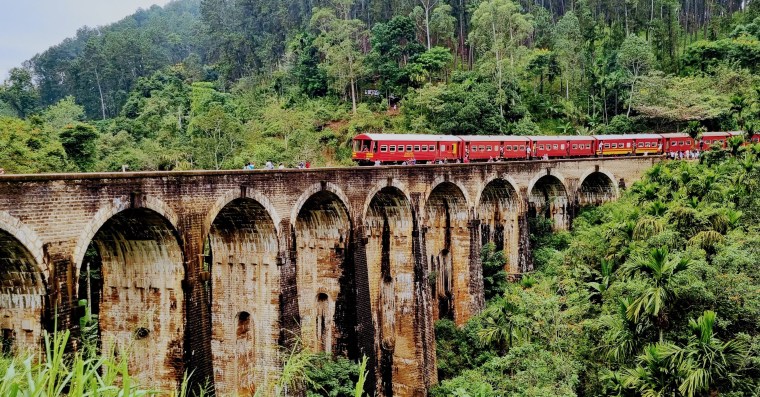
Train on the Nine Arch Bridge, Sri Lanka
How We Balanced Family Travel and Education
One of our biggest concerns before leaving was how the children’s education would be affected. Taking them out of school for five months felt risky, but the reality was different. Travel became their classroom—immersive, hands-on, and full of real-world lessons. Our children didn’t just read about history or geography—they experienced it first-hand. They learned to surf, scuba dive and swim (for Charlotte who was just 5), they saw wildlife beyond anything they could’ve imagined, they saw the devastating impact of palm oil plantations, learnt about the 2004 tsunami in Banda Aceh, experienced history and religion through visiting temples, mosques and hearing the call to prayer, learnt new languages, used different currencies and experiences a vast array of different foods.
A boat on top of a house from the 2004 tsunami in Sumatra
Countries Explored on Our Asian Family Backpacking Trip
Our itinerary included:
Thailand
Cambodia
Indonesia
Malaysia
South Korea
Vietnam
Sri Lanka
Each destination offered unique cultural experiences, breathtaking landscapes, delicious local cuisine, and countless unforgettable moments. From temple-hopping in Cambodia to watching sunrises over Indonesian volcanoes, every day was a new adventure. Of course there were things that didn’t go quite to plan (not that we had much of a plan) but embracing the flexibility of lack of organisation meant that we were able to adapt and some of these have become some of our best stories.
More than just a trip, it was a chance to reconnect and see the world (and each other) in a whole new way. The kids learned more in those five months than they ever could have from textbooks—and so did we.
Here are some of our takeaways from the whole process of planning our trip and spending 5 months travelling it!
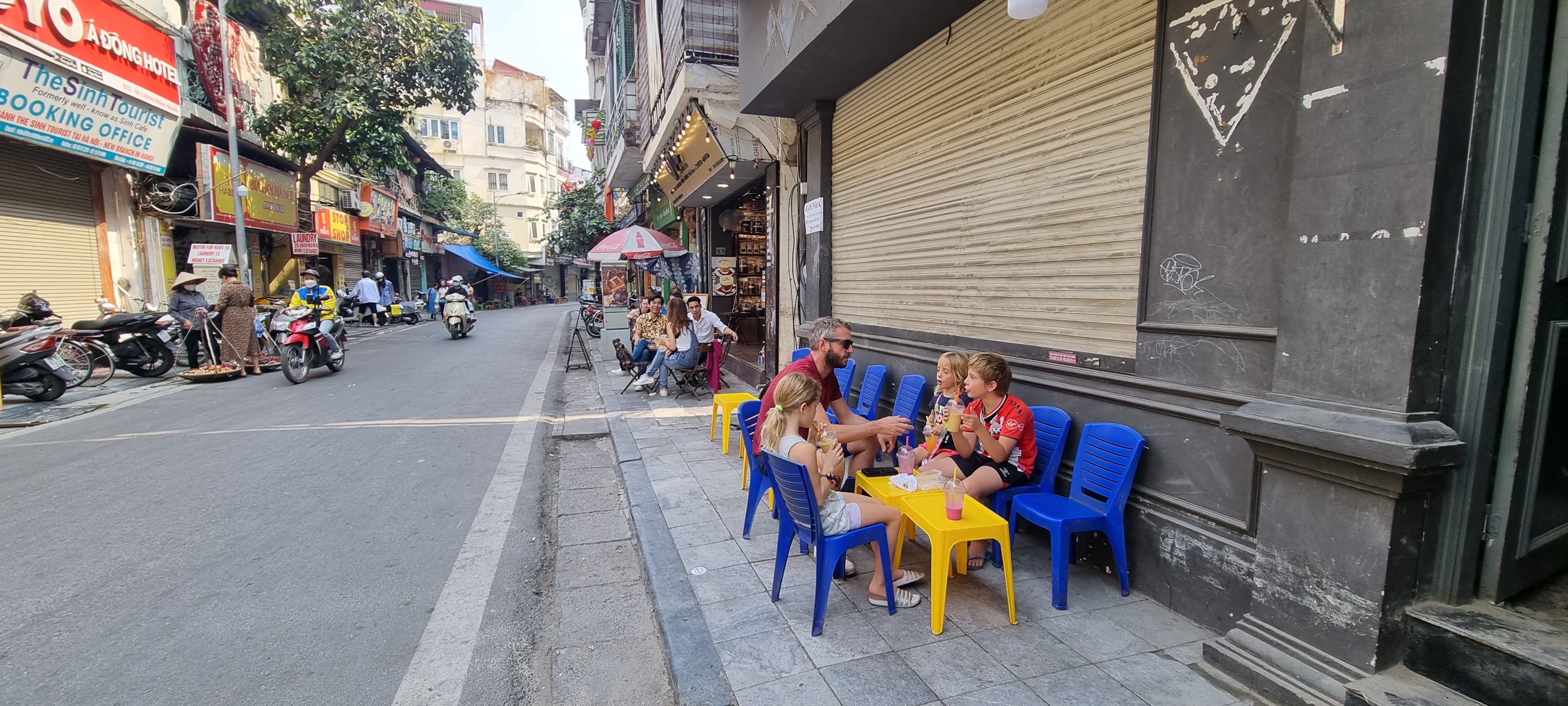
Street smoothies in Hanoi
Why Long-Term Family Travel in Asia is Possible for You
Many people told us, “Wow, it’s incredible you did that!” Our answer: you can do it too.
You don’t need to travel non-stop like we did to have a transformative experience. Even shorter or slower trips can provide fresh perspectives and can be incredible, life changing experiences.
We funded our trip partly by renting our home on Airbnb and borrowing against our house. While we didn’t earn money on the road, many families work remotely nowadays, making long-term travel even more feasible.
The bottom line? If this has been on your mind—even as a distant “maybe one day” dream—it’s more doable than you think.
Flexibility: The Key to Successful Family Backpacking in Asia
We’re not exactly known for our planning skills—which, sure, can make things a bit chaotic—but it also means we’re pretty good at rolling with the punches. We kicked off our trip with nothing more than a one-way ticket to Bangkok and a couple of nights booked at a hotel. Luckily, Thailand is perfect for spontaneous travellers—there’s always a bus leaving tomorrow, and last-minute plans are expected. That flexibility quickly became more than just convenient; it turned into a survival skill. When we landed in the Philippines, we found out a tropical cyclone was heading straight for us. Twenty-four hours later? We were sipping soju in South Korea, diving headfirst into an incredible (and completely unplanned) two-week adventure.
Old and new Suwon, Korea
Planning a five-month trip in detail? For us, it’s impossible. The places you expect to breeze through often capture your heart, while those picture-perfect beaches you dreamed of might fall short. But if you give yourself the freedom to change course along the way, you’ll stumble upon unexpected gems—people, places, and meals you never imagined you’d find.
How Our Kids Adapted to Long-Term Travel and Schooling
I was really anxious about taking the kids away for five months, especially with the huge disruption to their schooling and social lives. I worried about how they’d handle the change, how they’d fall behind in school, and whether they’d struggle with feeling isolated from their friends and familiar routines. I kept imagining them feeling homesick or out of place, unsure of how to adjust. But as it turns out, they were totally fine. They adapted so well to the new environments, making connections easily and approaching it with curiosity. Their resilience amazed me, and I realised that sometimes we overestimate the emotional weight of change, only to find that kids are incredibly adaptable when given the right support.
What is Worldschooling? How We Learned Through Travel
I’m not a fan of the word but I really do believe in the philosophy around worldschooling. Worldschooling is an approach to education rooted in curiosity, flexibility, and firsthand experience. Instead of confining learning to a classroom, it allows the world itself to become the curriculum. Our kids studied ancient history by walking through the ruins of Angkor Wat, learnt about ecology by observing wildlife in the wild as well as learning to to snorkel, swim and scuba dive. It’s not about escaping structure but about reimagining it—learning maths through budgeting travel, empathy and tolerance through cross-cultural connection. Worldschooling doesn’t promise a perfect education, but it offers a living one—where lessons aren’t just absorbed, they’re lived.
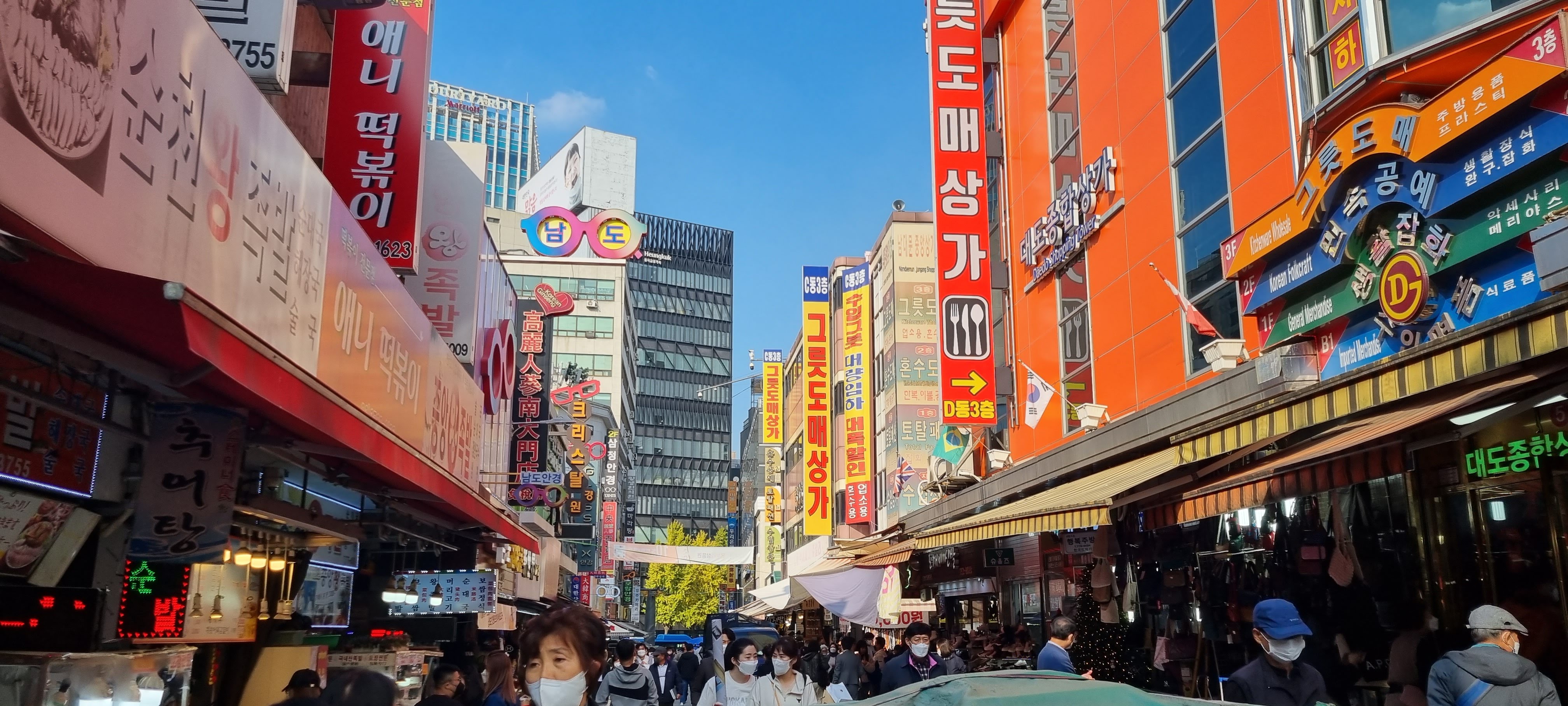
Wandering the streets of Seoul, Korea
Final Thoughts on Family Backpacking in Asia
If you’ve been dreaming of family backpacking trips in Asia or wondering how to balance travel with parenting and education, know this: it’s more possible than you think.
With an open mind, flexibility, and a bit of planning, your family can create unforgettable memories, learn together, and see the world from a new perspective.
Planning a trip to Albania? Here’s everything you need to know before you go—from currency exchange and border crossings to mobile SIM cards, car rentals, and driving laws. This guide will help you travel with confidence and avoid surprises.
1. Currency and Payments in Albania
While using a card is sometimes possible, it’s highly unreliable and definitely not something you can count on. We had to pay for petrol with cash more than once, and I wasn’t able to use my phone at all
You can’t get Albanian Lek outside of Albania as it’s a closed currency, and once you leave the country, it’s difficult—if not impossible—to exchange it back to your home currency. Euros, however, are widely accepted, so I recommend bringing cash in euros and exchanging it at the airport upon arrival. At the time of writing, the exchange rate was around 1 euro to 100 Lek, and that rate stayed fairly consistent.
On top of that, withdrawing cash in Albania is more expensive than anywhere else we’ve travelled. If you do need to take out cash, never accept the bank’s offered exchange rate. You’ll usually be given the option—just press ‘No’ to decline their rate. This tip can save you money almost anywhere, but we found it especially important in Albania.
2. Driving in Albania: What You Need to Know
You might hear that driving in Albania is risky, but that wasn’t our experience at all. While city traffic can be a bit hectic and requires your full attention, once you’re beyond the urban centres, the roads are generally calm and easy to navigate. Renting a car is straightforward, with plenty of options available right at the airport.
We paid around €410 for a two-week hire car, which included an additional €23.50 per day for comprehensive “no-questions-asked” insurance. We chose this extra coverage after hearing some warnings about driving conditions—but in the end, we never needed it. Still, the peace of mind it provided was well worth it.
3. Border Crossings and Documentation
You will need the permission of the hire car company to cross into any of the countries bordering Albania. It’s straightforward to do, but at the border they will ask for your car paperwork and you will need proof of permission. It was €50 (included in the price mentioned above). At the border with Montenegro you will also need a green card for your car (€15, slightly more in Lek). You can get it there and it’s very simple. Border crossings are not a hassle but they do take a bit of time.
4. Staying Connected: SIM Cards and Mobile Data
We do this everywhere we go now. It is hassle free and makes so much difference to us on a practical level. As Albania is not in the EU, those coming from the UK (like us) generally will not have it included in their existing data package. We just get them at the airport and it was around €25 for 40gb.
5. Safety and Law Enforcement Presence
We didn’t get stopped at all on the roads and there’s no reason why you should have any problems, but the police were definitely a presence and usually stopping people for speeding. If people flash you or gesture to you when you’re driving, it is likely there are police ahead. Keep to the speed limits, carry all the documentation you need and you’ll be fine.
6. Fuel Costs and Availability
Petrol was noticeably expensive compared to other local prices — likely on par with, if not slightly more than, what you’d pay in the UK, where it’s already considered costly. There were plenty of petrol stations around, but it’s worth noting that some, especially in more rural areas, only accepted cash.
7. Don’t always believe Google maps
Google maps took us some very strange ways at times. We use the Maps app all the time and usually it is fine but if your instinct in telling you to not go up that very narrow cobbled road when you’re looking to go downhill and onto the main road, consider going with your gut.
8. The vegetarian scene is limited
We have several vegetarians in our family, and while we were able to find something to eat, the choices were definitely limited. Let’s just say it’s a good thing we enjoy margarita pizza, Greek salad, and vegetarian souvlaki — because those ended up being our go-to meals more often than not! Not that I’m complaining, I could live on souvlaki.
Albania is a country full of surprises—rich in culture, natural beauty, and warm hospitality. While some aspects of travel here may differ from other European destinations, being prepared with the right information can make your experience not only smoother but far more enjoyable. From navigating border crossings and understanding local currency to staying connected and safe on the roads, these practical tips are designed to help you travel Albania with confidence. Whether you’re road-tripping through the mountains, exploring coastal towns, or just passing through, a little preparation goes a long way in making the most of your Albanian adventure.
People often ask us how we manage to travel as much as we do. After all, we have regular jobs, three kids, a mortgage in the UK, and certainly no secret stash of cash. Some think we’ve won the lottery (we haven’t), while my niece is convinced we’re spies (we’re not—though that would be pretty cool). The truth? We prioritise travel, make smart choices, and take advantage of every opportunity to explore.
We travel as much as possible, though plenty of families travel more—some even full-time! Since we’re tied to school holidays (thanks to our jobs as a teacher and a university administrator), we often face higher prices. But with a little strategy, it’s still totally doable. Here’s how we make it work:
1. We Follow the Cheap Flights
Our biggest tip: let the deals decide where you go! We use Skyscanner religiously (browsing is basically a hobby at this point) and book flights based on where we can go for the lowest price. Not only does this save money, but it also adds an element of adventure—we’ve ended up in places we might never have considered otherwise!
2. We Book Super Early
If you want the best prices, in general, book well in advance, particularly if you’re restricted to school holidays. As I sat in Spain this February, I was already hunting for flights for next February—and trust me, the deals were worth it!
3. Travel Is Our Priority
For us, travel comes before buying new clothes (for us parents), cars, or meals out. Most of our disposable income goes towards exploring the world. We bought an affordable house with minimal upkeep (probably not enough, if I’m honest), we stick to budget airlines, take stopovers for long-haul flights, and embrace experiences over luxuries. Seeing our kids recognise the call to prayer or say “thank you” in another language? Priceless.
4. We Travel to Affordable Destinations
We rarely visit expensive places because doing so would mean travelling less. We skip package holidays, all-inclusives, and pricey resorts (we’ve never even been to Centre Parcs! Although I hear the Center Parcs in Europe is cheaper). Ski trips? Not really our thing—and also not in the budget. SE Asia is one of our favourite budget destinations but City breaks in Europe can also be super affordable too.
5. We Stay in Self-Catering Accommodation
We love having the option to cook our own meals. That doesn’t mean we never eat out, we definitely do and love it, but having a kitchen lets us whip up quick, budget-friendly meals when we need to and it’s really useful for breakfast before we head out for the day. Plus, apartments are often cheaper than booking two hotel rooms! We usually use Booking.com or Airbnb
6. We Stay in Central Locations
Being within walking distance of cafés, restaurants, landmarks, and public transport is a game-changer. It saves time and cuts down on transport costs, making a slightly pricier central stay worth it in the long run.
7. We pack light
We’ve learnt the hard way—packing too much is a waste. Now, we’re strict about what we bring and usually stick to just a small carry-on. Easter in Europe? Tricky. But worst-case scenario, we buy a jumper (which has only happened once, even during our five-month trip to Asia).
8. We don’t use tours or packages
Travelling independently is generally cheaper than booking tours or packages because you have full control over your budget. You can choose budget-friendly accommodation, use public transport instead of expensive private transfers, and eat at local restaurants rather than tourist-focused spots. Tour packages often include mark-ups for convenience and profit, whereas independent travel allows you to find the best deals on flights, activities, and accommodation. Additionally, you can avoid unnecessary expenses such as guided tours for attractions that can be explored on your own, further reducing costs.
9. We skip souvenirs
Skipping souvenirs when travelling is cost-effective as it avoids overpriced, often unnecessary purchases. Tourist shops inflate prices, and small costs quickly add up. Instead, prioritising experiences or local cuisine creates lasting memories without extra spending. It also reduces baggage weight, helping to avoid excess luggage fees. Opting for photos and meaningful experiences is a budget-friendly alternative.
10. We Travel on a Budget
We don’t splurge on every meal, particularly in more expensive locations. Lunch is often a supermarket snack, a picnic, or street food (especially in Southeast Asia!). Camping? We pack sandwiches. For some, this might take away the “holiday” feel, but for us, it’s how we make travel happen.
At the end of the day, it’s all about choices. By making travel a priority, being flexible, and sticking to a budget, we’ve been able to explore so many amazing places, even in school holidays. And if you’re dreaming of travelling more—it’s absolutely possible!
France has an incredible variety of beaches, and honestly, there’s something for everyone. Up in the north, you’ll find wide, dramatic stretches of sand that are perfect for long walks and windswept views. Head south, and the vibe totally changes—think rocky coves, turquoise water, and that dreamy Mediterranean sunshine. Whether you’re into snorkeling, surfing, or just soaking up the sun with a book in hand, there’s a beach in France that’s calling your name.
We’ve explored quite a few over the years and recently stumbled upon some absolute gems—so we put together a little roundup of our favourites and exactly what makes them so special. Let’s dive in!
Les Lecques
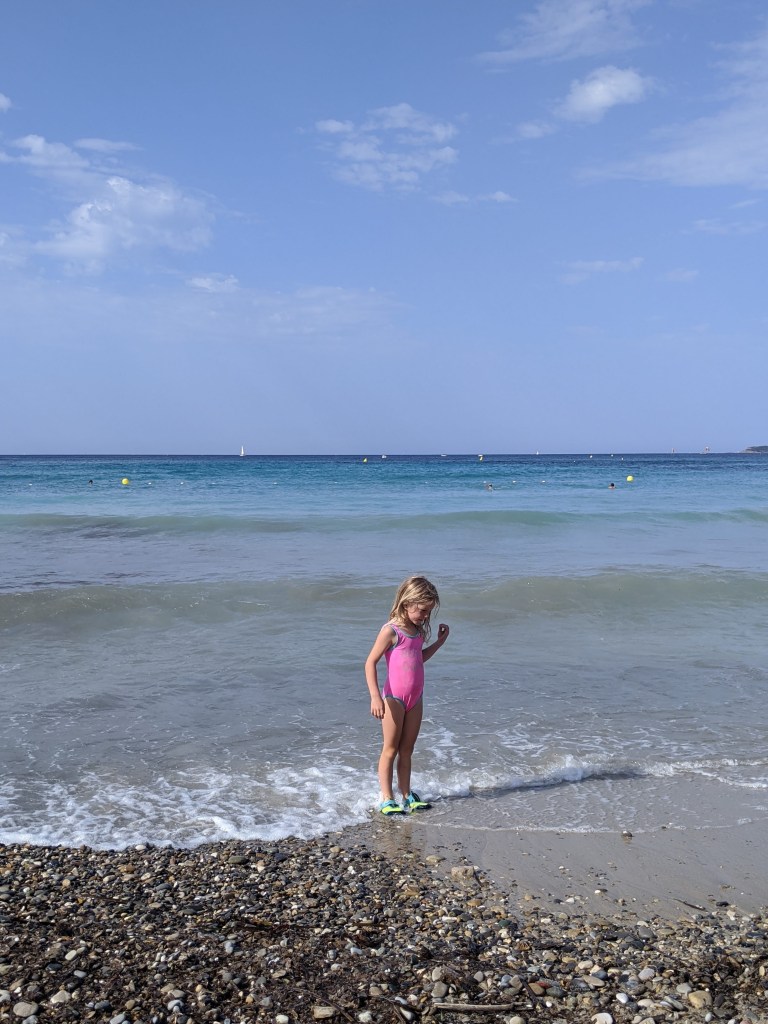
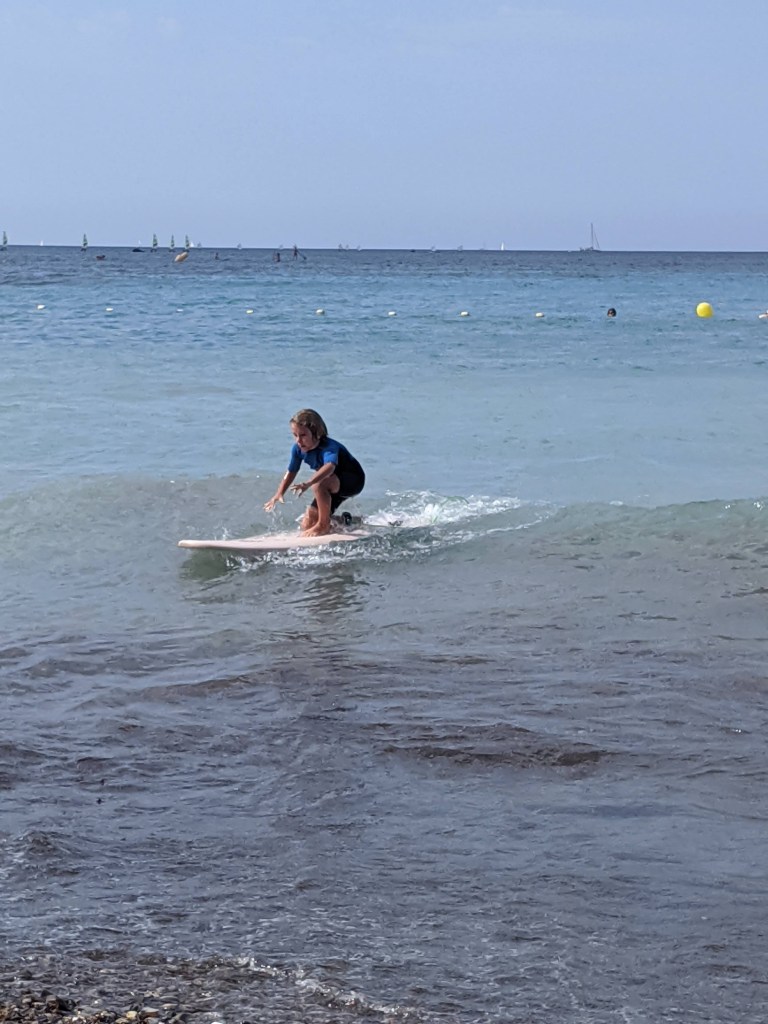
Located in the town of Saint-Cyr-sur-Mer on the southern coast of France, Les Lecques Beach is a hidden gem that offers a perfect blend of natural beauty and relaxation. Stretching along the Mediterranean, the beach boasts clear, turquoise waters and a scenic backdrop of lush hills, making it an ideal spot for sunbathing, swimming, or just soaking in the peaceful atmosphere. It’s especially family-friendly, with shallow waters perfect for kids to splash around in, and plenty of amenities like showers and sunbeds. We even hired surfboards and had the chance to catch some waves! Afterward, we treated ourselves to an incredible lunch at one of the seaside restaurants, where we had fresh, local seafood with a lovely beach view. Whether you’re into paddleboarding, sailing, or simply enjoying a delicious meal at the beach, Les Lecques has something for everyone. Located near the stunning Calanques National Park, it’s a great base to explore the region’s natural beauty, with nearby towns like Bandol and Cassis just a short drive away. Les Lecques really is a slice of Mediterranean paradise.
Les LecquesSurfing at les Lecques
Mimizan
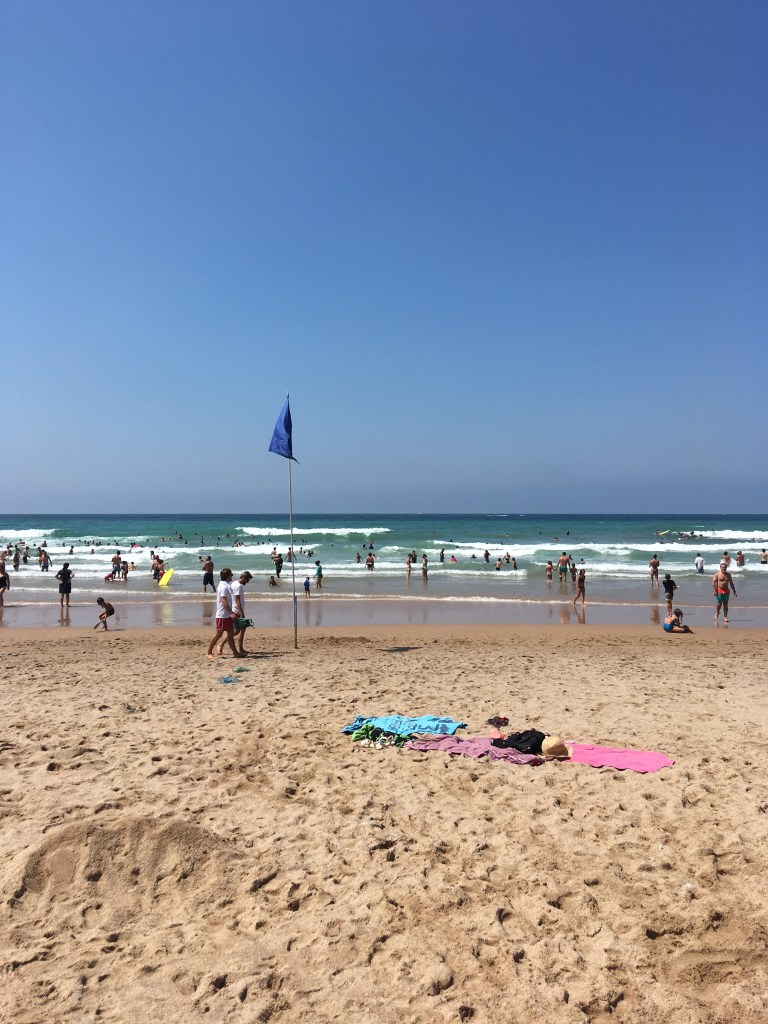
Mimizan Plage is a fantastic spot for a laid-back family beach holiday. The beach is wide and sandy, with gentle waves that are perfect for younger children to enjoy safely. We camped not too far away, which made it super convenient to spend full days by the sea. One of the highlights was hiring surfboards for the kids—while it wasn’t their first time surfing, the conditions here were ideal for them to keep practicing and building confidence. The smaller waves and friendly vibe make it a great place for kids to improve their skills without feeling overwhelmed. There’s also a lovely promenade nearby that’s perfect for family bike rides or evening strolls. And with plenty of beachside cafés offering kid-friendly menus, it was easy to keep everyone happy.
Mimizan Plage
Soulac-sur-Mer
We happened upon Soulac-sur-Mer by chance, and it quickly became one of our favourite beach spots along the Atlantic coast. Located in the Nouvelle-Aquitaine region of France, this beach offers the perfect blend of natural beauty, family friendly atmosphere and laid-back charm. The long stretch of golden sand is ideal for relaxing, building sandcastles, or soaking up the sun. It’s also a hotspot for surfing and kite surfing, drawing in water sports enthusiasts. The town itself has a cozy, small-town, laid back vibe complete with charming cafés and beachside restaurants where you can enjoy fresh seafood and sip on a cool drink while watching the sunset. Plus, the Soulac-sur-Mer Lighthouse nearby offers stunning views of the coastline. Whether you’re into water sports, beach walks, or just unwinding by the sea, Soulac-sur-Mer’s welcoming atmosphere makes it the perfect place to spend a day—or even longer!
The beach at Soulac-Sur- Mer
Bidart
We stumbled on Bidart Beach almost by accident, and it ended up being one of the highlights of our trip. Tucked along France’s Basque coast, it offers a great mix of natural beauty and a laid-back vibe that’s easy to appreciate. The coastline here is varied—cliffs, long stretches of sand, and reliable waves that make it a favorite for surfers. Some parts, like Parlementia, are more active, while others like Pavillon Royal are quieter and more secluded. What really surprised us was how many good places to eat are nearby. Within a short walk, you’ll find no-fuss spots serving fresh seafood, pintxos, and local dishes—all without the crowds you’d expect from more touristy beaches. If you’re in the area, it’s definitely worth a stop, even if you just have a few hours to spare.
Bidart beach
Le Touquet
Le Touquet-Paris-Plage is a charming seaside town on the northern coast of France, offering a delightful mix of natural beauty and sophistication. Once a luxurious getaway for Parisian elites in the early 20th century, it still exudes a glamorous, timeless atmosphere, with its beautiful Art Deco buildings and chic vibe. Unlike the warmer, more crowded beaches of the south, Le Touquet features a breezy, peaceful coastline that feels worlds away from the typical southern beach scene. We absolutely loved our time there—the kids had a blast playing in the calm waters, building sandcastles, and running around the wide sandy beach. It’s a fantastic spot for families, combining relaxation with plenty of space for fun, making it the perfect destination for a more tranquil, yet still lively, beach experience.
Le Touquet Plage
Plage de Peyreffite
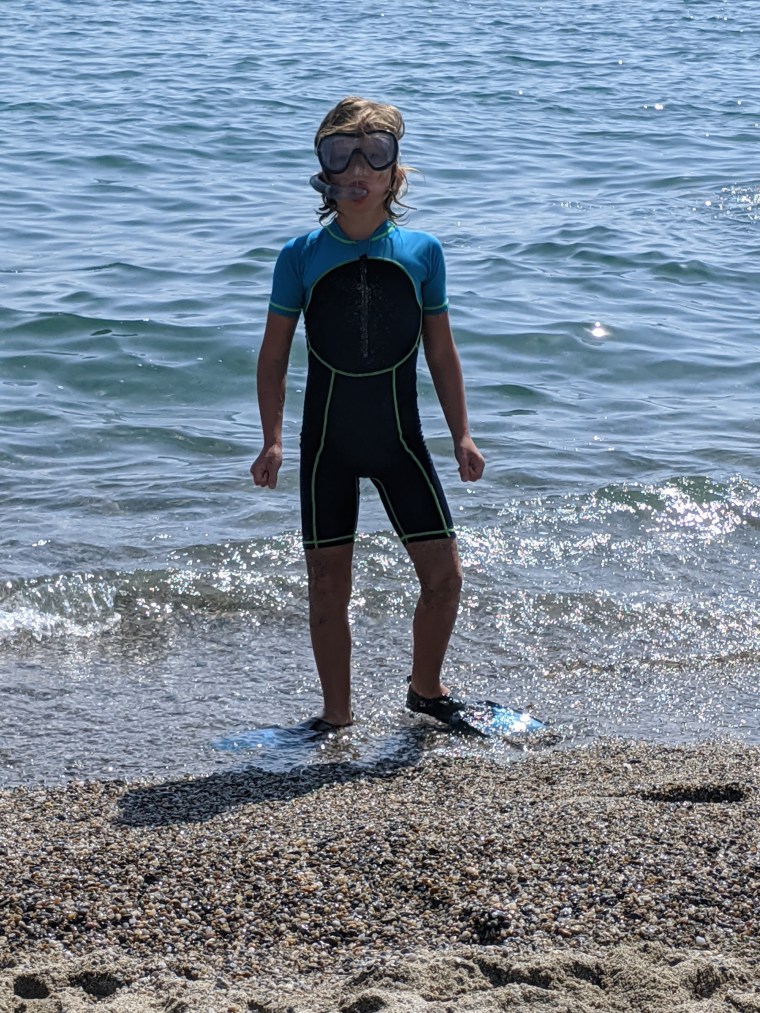
Snorkelling Peyrefite beach
If you’re looking for a family-friendly beach in the south of France, Plage de Peyrefite is a hidden gem near Cerbère, close to the Spanish border. This beautiful pebble beach offers stunning views of the Pyrenees and crystal-clear Mediterranean waters. The real highlight for our family was snorkelling – the kids loved exploring the marked underwater trail, where we all discovered vibrant marine life in the Cerbère-Banyuls Marine Nature Reserve. Such a great activity for the kids and felt so safe. The beach is perfect for families, with lifeguards in the summer, toilets, showers, and accessible facilities. With nearby parking and activities like walking along the scenic coastal path, it’s an ideal spot to relax and explore. This is the perfect destination for a fun, active family beach day in southern France!












 Kitchen Family Travels