Five Months Family Backpacking in Asia

How We Did It, What We Learned, and Why You Can Too

Follow our travels on instagram

In 2022, our family pressed pause on everyday life to embark on an unforgettable five-month backpacking adventure across Asia with our three children. We left our jobs, took the kids out of school, rented out our house, and swapped daily routines for street food, tuk-tuks, and adventure.

From exploring ancient temples in Cambodia to hiking volcanoes in Indonesia, and from the bustling street markets of Vietnam to the tranquil beaches of Sri Lanka, this journey was more than a holiday—it was a life-changing family travel experience filled with learning, growth, and connection.

Whether you’re dreaming of long-term family travel in Asia or wondering how to make it happen, here’s everything we learned after five incredible months of travelling Asia with kids.
How We Balanced Family Travel and Education

One of our biggest concerns before leaving was how the children’s education would be affected. Taking them out of school for five months felt risky, but the reality was different. Travel became their classroom—immersive, hands-on, and full of real-world lessons. Our children didn’t just read about history or geography—they experienced it first-hand. They learned to surf, scuba dive and swim (for Charlotte who was just 5), they saw wildlife beyond anything they could’ve imagined, they saw the devastating impact of palm oil plantations, learnt about the 2005 tsunami in Banda Aceh, experienced history and religion through visiting temples, mosques and hearing the call to prayer, learnt new languages, used different currencies and experiences a vast array of different foods.

Countries Explored on Our Asian Family Backpacking Trip

Our itinerary included:

  • Thailand
  • Cambodia
  • Indonesia
  • Malaysia
  • South Korea
  • Vietnam
  • Sri Lanka

Each destination offered unique cultural experiences, breathtaking landscapes, delicious local cuisine, and countless unforgettable moments. From temple-hopping in Cambodia to watching sunrises over Indonesian volcanoes, every day was a new adventure. Of course there were things that didn’t go quite to plan (not that we had much of a plan) but embracing the flexibility of lack of organisation meant that we were able to adapt and some of these have become some of our best stories.

More than just a trip, it was a chance to reconnect and see the world (and each other) in a whole new way. The kids learned more in those five months than they ever could have from textbooks—and so did we.

Here are some of our takeaways from the whole process of planning our trip and spending 5 months travelling it!
Why Long-Term Family Travel in Asia is Possible for You

Many people told us, “Wow, it’s incredible you did that!” Our answer: you can do it too.

You don’t need to travel non-stop like we did to have a transformative experience. Even shorter or slower trips can provide fresh perspectives and strengthen family bonds.

If you’re a working parent in the UK, remember you can take up to up to 4 weeks of unpaid parental leave per child per year?, a great opportunity to travel without leaving your job.

We funded our trip partly by renting our home on Airbnb and borrowing against our house. While we didn’t earn money on the road, many families work remotely nowadays, making long-term travel even more feasible.

The bottom line? If this has been on your mind—even as a distant “maybe one day” dream—it’s more doable than you think.

Flexibility: The Key to Successful Family Backpacking in Asia

We’re not exactly known for our planning skills—which, sure, can make things a bit chaotic—but it also means we’re pretty good at rolling with the punches. We kicked off our trip with nothing more than a one-way ticket to Bangkok and a couple of nights booked at a hotel. Luckily, Thailand is perfect for spontaneous travellers—there’s always a bus leaving tomorrow, and last-minute plans are expected. That flexibility quickly became more than just convenient; it turned into a survival skill. When we landed in the Philippines, we found out a tropical cyclone was heading straight for us. Twenty-four hours later? We were sipping soju in South Korea, diving headfirst into an incredible (and completely unplanned) two-week adventure.

Planning a five-month trip in detail? For us, it’s impossible. The places you expect to breeze through often capture your heart, while those picture-perfect beaches you dreamed of might fall short. But if you give yourself the freedom to change course along the way, you’ll stumble upon unexpected gems—people, places, and meals you never imagined you’d find.

How Our Kids Adapted to Long-Term Travel and Schooling

I was really anxious about taking the kids away for five months, especially with the huge disruption to their schooling and social lives. I worried about how they’d handle the change, how they’d fall behind in school, and whether they’d struggle with feeling isolated from their friends and familiar routines. I kept imagining them feeling homesick or out of place, unsure of how to adjust. But as it turns out, they were totally fine. They adapted so well to the new environments, making connections easily and approaching it with curiosity. Their resilience amazed me, and I realised that sometimes we overestimate the emotional weight of change, only to find that kids are incredibly adaptable when given the right support.

What is Worldschooling? How We Learned Through Travel

I’m not a fan of the word but I really do believe in the philosophy around worldschooling. Worldschooling is an approach to education rooted in curiosity, flexibility, and firsthand experience. Instead of confining learning to a classroom, it allows the world itself to become the curriculum. Our kids studied ancient history by walking through the ruins of Angkor Wat, learnt about ecology by observing wildlife in the wild as well as learning to to snorkel, swim and scuba dive. It’s not about escaping structure but about reimagining it—learning maths through budgeting travel, empathy and tolerance through cross-cultural connection. Worldschooling doesn’t promise a perfect education, but it offers a living one—where lessons aren’t just absorbed, they’re lived.
Final Thoughts on Family Backpacking in Asia

If you’ve been dreaming of family backpacking trips in Asia or wondering how to balance travel with parenting and education, know this: it’s more possible than you think.

With an open mind, flexibility, and a bit of planning, your family can create unforgettable memories, learn together, and see the world from a new perspective.

Five Months Family Backpacking in Asia

How We Did It, What We Learned, and Why You Can Too

In 2022, our family pressed pause on everyday life to embark on an unforgettable five-month backpacking adventure across Asia with our three children. We left our jobs, took the kids out of school, rented out our house, and swapped daily routines for street food, tuk-tuks, and adventure.

From exploring ancient temples in Cambodia to hiking volcanoes in Indonesia, and from the bustling street markets of Vietnam to the tranquil beaches of Sri Lanka, this journey was more than a holiday—it was a life-changing family travel experience filled with learning, growth, and connection.

Whether you’re dreaming of long-term family travel in Asia or wondering how to make it happen, here’s everything we learned after five incredible months of travelling Asia with kids.

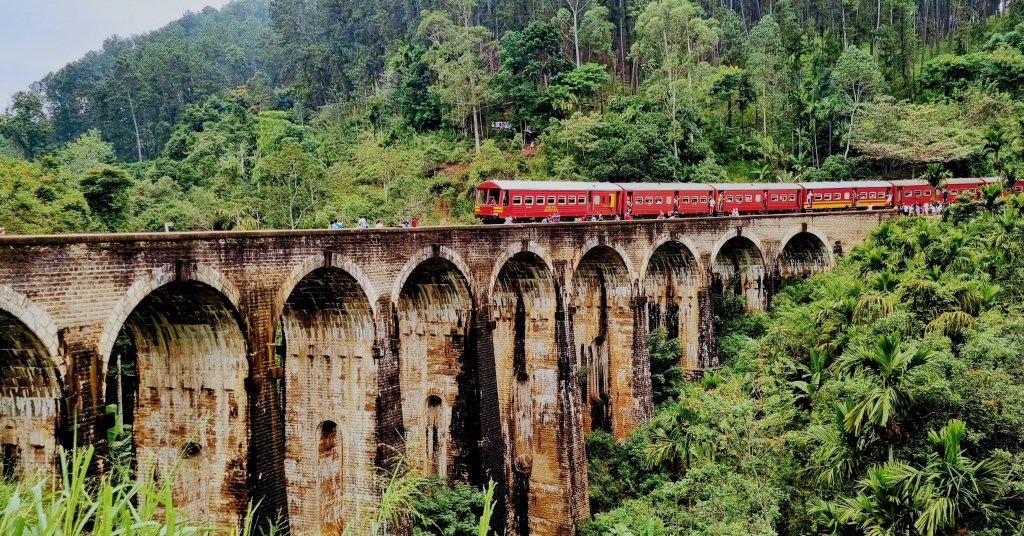
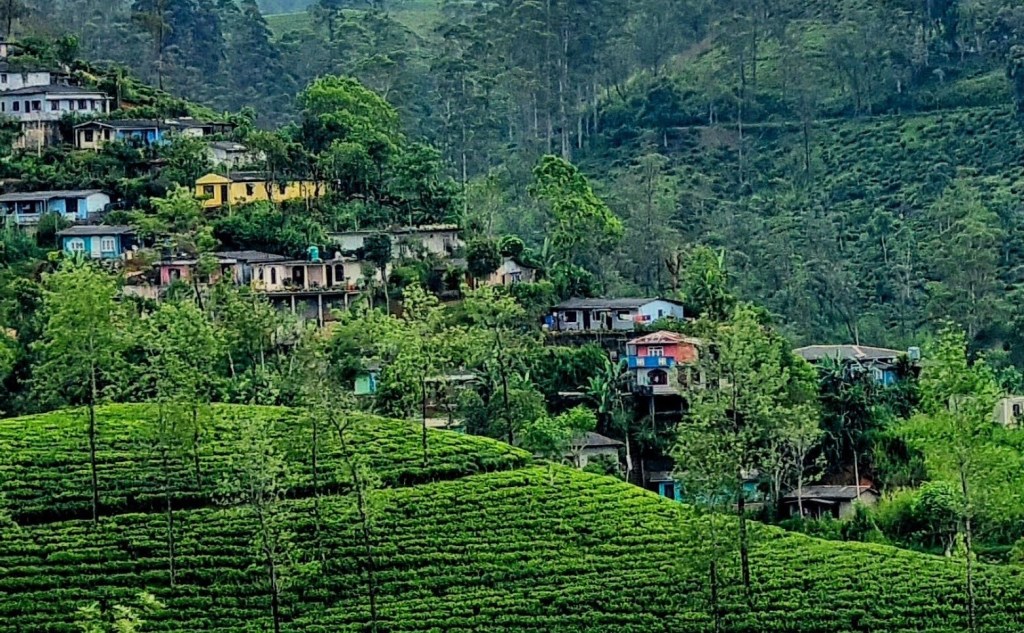
Train on the Nine Arch Bridge, Sri Lanka

How We Balanced Family Travel and Education

One of our biggest concerns before leaving was how the children’s education would be affected. Taking them out of school for five months felt risky, but the reality was different. Travel became their classroom—immersive, hands-on, and full of real-world lessons. Our children didn’t just read about history or geography—they experienced it first-hand. They learned to surf, scuba dive and swim (for Charlotte who was just 5), they saw wildlife beyond anything they could’ve imagined, they saw the devastating impact of palm oil plantations, learnt about the 2004 tsunami in Banda Aceh, experienced history and religion through visiting temples, mosques and hearing the call to prayer, learnt new languages, used different currencies and experiences a vast array of different foods.

A boat on top of a house from the 2004 tsunami in Sumatra

Countries Explored on Our Asian Family Backpacking Trip

Our itinerary included:

  • Thailand
  • Cambodia
  • Indonesia
  • Malaysia
  • South Korea
  • Vietnam
  • Sri Lanka

Each destination offered unique cultural experiences, breathtaking landscapes, delicious local cuisine, and countless unforgettable moments. From temple-hopping in Cambodia to watching sunrises over Indonesian volcanoes, every day was a new adventure. Of course there were things that didn’t go quite to plan (not that we had much of a plan) but embracing the flexibility of lack of organisation meant that we were able to adapt and some of these have become some of our best stories.

More than just a trip, it was a chance to reconnect and see the world (and each other) in a whole new way. The kids learned more in those five months than they ever could have from textbooks—and so did we.

Here are some of our takeaways from the whole process of planning our trip and spending 5 months travelling it!

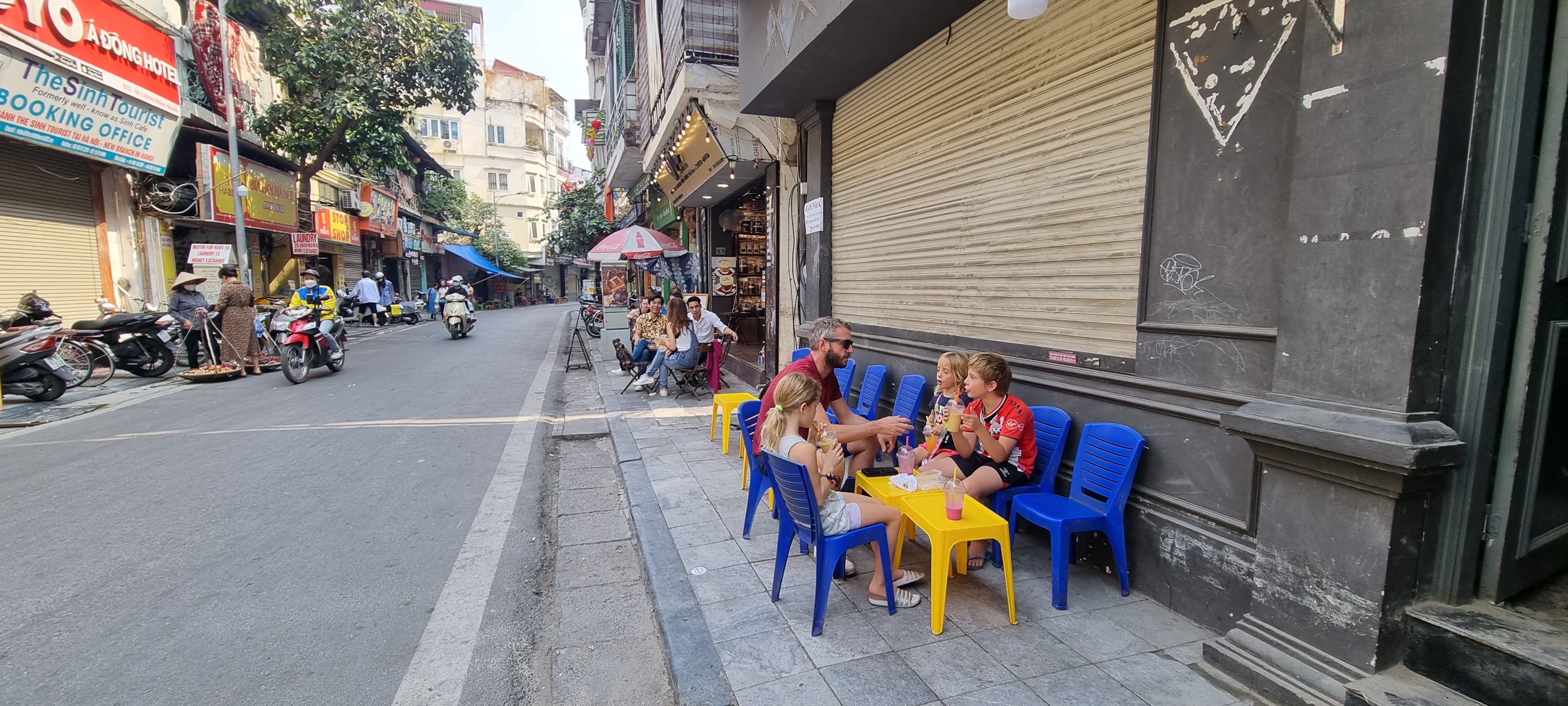
Street smoothies in Hanoi

Why Long-Term Family Travel in Asia is Possible for You

Many people told us, “Wow, it’s incredible you did that!” Our answer: you can do it too.

You don’t need to travel non-stop like we did to have a transformative experience. Even shorter or slower trips can provide fresh perspectives and can be incredible, life changing experiences.

If you’re a working parent in the UK, remember you can take up to up to 4 weeks of unpaid parental leave per child per year?, a great opportunity to travel without leaving your job.

We funded our trip partly by renting our home on Airbnb and borrowing against our house. While we didn’t earn money on the road, many families work remotely nowadays, making long-term travel even more feasible.

The bottom line? If this has been on your mind—even as a distant “maybe one day” dream—it’s more doable than you think.

Flexibility: The Key to Successful Family Backpacking in Asia

We’re not exactly known for our planning skills—which, sure, can make things a bit chaotic—but it also means we’re pretty good at rolling with the punches. We kicked off our trip with nothing more than a one-way ticket to Bangkok and a couple of nights booked at a hotel. Luckily, Thailand is perfect for spontaneous travellers—there’s always a bus leaving tomorrow, and last-minute plans are expected. That flexibility quickly became more than just convenient; it turned into a survival skill. When we landed in the Philippines, we found out a tropical cyclone was heading straight for us. Twenty-four hours later? We were sipping soju in South Korea, diving headfirst into an incredible (and completely unplanned) two-week adventure.

Old and new Suwon, Korea

Planning a five-month trip in detail? For us, it’s impossible. The places you expect to breeze through often capture your heart, while those picture-perfect beaches you dreamed of might fall short. But if you give yourself the freedom to change course along the way, you’ll stumble upon unexpected gems—people, places, and meals you never imagined you’d find.

How Our Kids Adapted to Long-Term Travel and Schooling

I was really anxious about taking the kids away for five months, especially with the huge disruption to their schooling and social lives. I worried about how they’d handle the change, how they’d fall behind in school, and whether they’d struggle with feeling isolated from their friends and familiar routines. I kept imagining them feeling homesick or out of place, unsure of how to adjust. But as it turns out, they were totally fine. They adapted so well to the new environments, making connections easily and approaching it with curiosity. Their resilience amazed me, and I realised that sometimes we overestimate the emotional weight of change, only to find that kids are incredibly adaptable when given the right support.

What is Worldschooling? How We Learned Through Travel

I’m not a fan of the word but I really do believe in the philosophy around worldschooling. Worldschooling is an approach to education rooted in curiosity, flexibility, and firsthand experience. Instead of confining learning to a classroom, it allows the world itself to become the curriculum. Our kids studied ancient history by walking through the ruins of Angkor Wat, learnt about ecology by observing wildlife in the wild as well as learning to to snorkel, swim and scuba dive. It’s not about escaping structure but about reimagining it—learning maths through budgeting travel, empathy and tolerance through cross-cultural connection. Worldschooling doesn’t promise a perfect education, but it offers a living one—where lessons aren’t just absorbed, they’re lived.

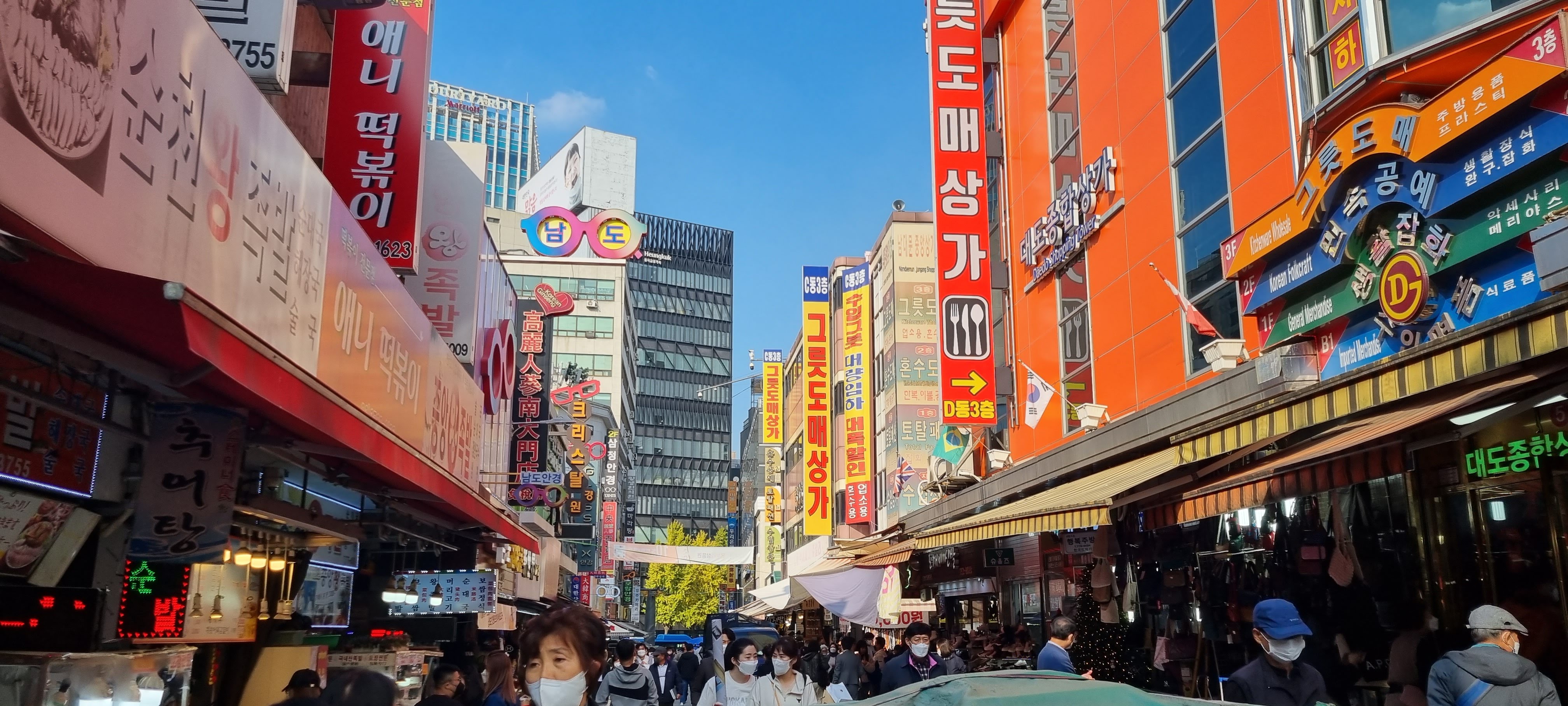
Wandering the streets of Seoul, Korea

Final Thoughts on Family Backpacking in Asia

If you’ve been dreaming of family backpacking trips in Asia or wondering how to balance travel with parenting and education, know this: it’s more possible than you think.

With an open mind, flexibility, and a bit of planning, your family can create unforgettable memories, learn together, and see the world from a new perspective.

Family Adventures in Sri Lanka: Wildlife, Surfing, and Travel Tips

Follow our travels on Instagram

Explore our family’s journey through Sri Lanka, featuring dolphin watching, surfing lessons, and essential travel advice for parents.

Sri Lanka might be small, but it packs an unbelievable punch — and honestly, it’s easily one of the best places we’ve ever visited. If you’re thinking about taking kids, do it! It’s such a brilliant family destination.

We spent a month there in November/December. Since it was our first trip (with many more to come, I’m sure!), we decided to follow the classic tourist trail… mostly. We skipped a few of the usual stops — like Yala National Park — and threw in a few adventures of our own, like dolphin watching in Kalpitiya (highly recommend!).

It was one of those trips that sticks with you — colourful, exciting, full of moments that we still talk about all the time. So here is an overview of what we think are Sri Lankan highlights and key things to consider when visiting.

Top Wildlife Experiences in Sri Lanka

Sri Lanka feels like one vast, open-air wildlife sanctuary—everywhere you turn, there’s a new opportunity to experience nature up close. During our trip, we went dolphin spotting, whale watching, and even ventured out on two unforgettable safaris.

One of the absolute highlights was watching spinner dolphins off the coast of Kalpitiya. The water was calm, the boats were few, and it felt like we had the ocean to ourselves. We were surrounded by hundreds of these playful dolphins—it was magical, and best of all, it didn’t feel intrusive or rushed. We arranged this through the hotel we were staying at and had the boat completely to ourselves.

We visited two national parks during our trip: Wilpattu and Minneriya. In Wilpattu, we were fortunate to spot a sloth bear, a leopard, and several elephants. However, the full-day safari proved to be quite long, and we decided we’d probably opt for shorter safaris in the future. At Minneriya, we took an evening safari from Sigiriya and were amazed to see hundreds of elephants. The experience was peaceful, quiet, and truly beautiful — we had the rare privilege of watching the elephants with no one else around. Later, I read that this wasn’t even the peak season for elephant sightings in Minneriya, which made us feel even luckier to witness so many in such a serene setting.

While in Mirissa, we went on a whale watching tour and were thrilled to spot a blue whale — the largest animal on the planet. Sri Lanka is considered one of the top destinations in the world for blue whale watching, especially off the southern coast near Mirissa, where sightings are common during the season.

Surfing Lessons for Kids: What to Expect

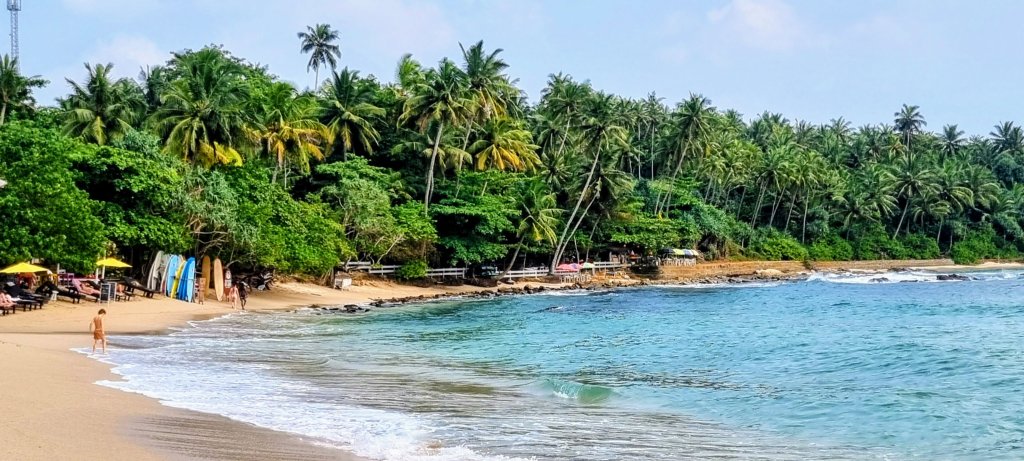
This was an absolute highlight for our kids, who had surfing lessons every day for two weeks—and loved every minute of it. The sea is warm, the conditions are generally safe, and the lessons are surprisingly affordable. We simply walked down to the beach and found local surf huts offering sessions, which worked perfectly in both Hiriketiya and Weligama.

That said, sea conditions can vary with the seasons, so it’s worth considering the time of year, especially if you’re travelling with younger children (ours were 8 and 10). Out of season, the waves can be rougher, making it less suitable for kids.

Be aware of the weather

During the UK summer months, the west and south of Sri Lanka—popular tourist destinations—experience their monsoon season. When we visited in November and December, we did encounter some rain, but also enjoyed stretches of beautiful weather in these regions. In contrast, the north and east typically have better weather during the UK summer. It’s something to keep in mind if you’re planning a beach holiday, as the weather and sea conditions can affect your experience during these seasonal shifts.

Navigating Sri Lanka Without a Private Driver

I often see hundreds of posts asking whether it’s necessary to hire a driver when travelling around Sri Lanka. From our experience, we chose not to—and I genuinely don’t think it’s essential, or even the best way to explore the country. While many travellers were arriving at hotels in air-conditioned cars, driven from one destination to the next, we felt that approach missed one of the most rewarding aspects of travel: real connection with the place and how it functions. Of course, many people go with this option for ease but if you’re wondering if you need it, you don’t.

We did use taxis arranged through hotels when there were no other options, but wherever possible, we opted for tuk-tuks, trains, and buses. We always try to use public transport when we travel, as it offers a glimpse into everyday life that you simply don’t get from behind tinted windows. Booking tickets was usually straightforward— for the buses we just turned up and for the trains, most of the time we just turned up at the station, but for busier routes, we booked in advance here.

Sri Lanka offered our family a memorable blend of adventure, culture, and relaxation. From spotting dolphins in Kalpitiya to daily surf lessons along the southern coast, each stop brought something new without feeling rushed. Travelling without a private driver gave us the flexibility to explore at our own pace and connect more closely with local life. With its varied landscapes, welcoming communities, and family-friendly experiences, Sri Lanka proved to be an exciting yet accessible destination – one we’d happily recommend to other families looking for something a little different.