11 Things we loved doing in Korea in October


Follow our travels on Instagram

October is one of the most beautiful months to visit South Korea. The air is crisp, the maple trees are turning red and gold, and family-friendly attractions are less crowded after the summer rush. Average temperatures range from 15–22°C (59–72°F) — perfect for outdoor adventures.

We actually ended up visiting Korea completely on a whim — a severe weather warning hit just as we landed in Manila, and we did what any slightly panicked family would do: we booked flights to South Korea! And honestly, it turned out to be one of the best decisions of the trip. We got to explore an incredible country in our own way. We’re not the type to stick to the usual “kid-friendly” checklist — theme parks and purely children-focused attractions aren’t usually our style unless there’s a strong cultural twist. What we really loved were the experiences that gave us a sense of the country, the culture, and a bit of adventure along the way. These are the highlights from our 10 days in Korea that the whole family genuinely enjoyed:

1. Step Back in Time at Gyeongbokgung Palace (Seoul)

Built in 1395, this royal palace is the heart of Seoul’s history. Rent a hanbok (traditional Korean outfit) nearby for free entry and gorgeous/slightly comedy photos (we didn’t do this as we thought it might be inappropriate…but apparently not!

Don’t miss the Changing of the Guard ceremony that happens twice a day.
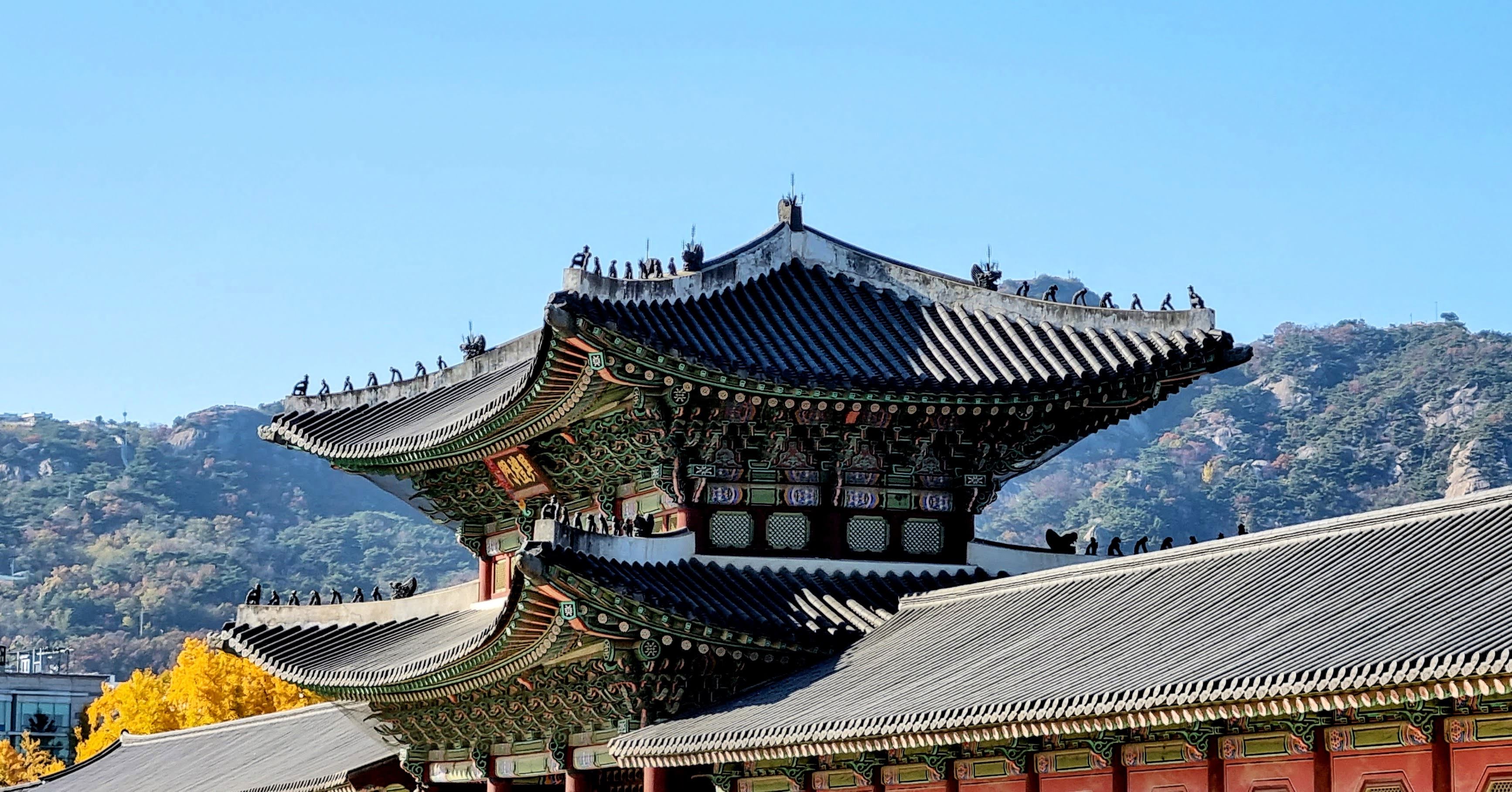
Gyeongbokgung Palace

2. Wander Through Bukchon Hanok Village

Bukchon Hanok Village is one of the best places in Seoul to experience traditional Korean culture with kids. 🏯 The neighborhood is filled with beautifully preserved hanok (traditional wooden houses), narrow alleys, and small craft shops. Families can explore at their own pace — stop for tea, try on hanbok for fun photos, or visit a few of the local art galleries and workshops. It’s a great spot to show kids how old and new Seoul come together, with quiet courtyards just a short walk from the busy city streets. Don’t miss the viewpoints overlooking the rooftops — they make for some of the best family photos in Seoul..

Bukchon

3. Eat Your Way Through Seoul’s Street Food Markets

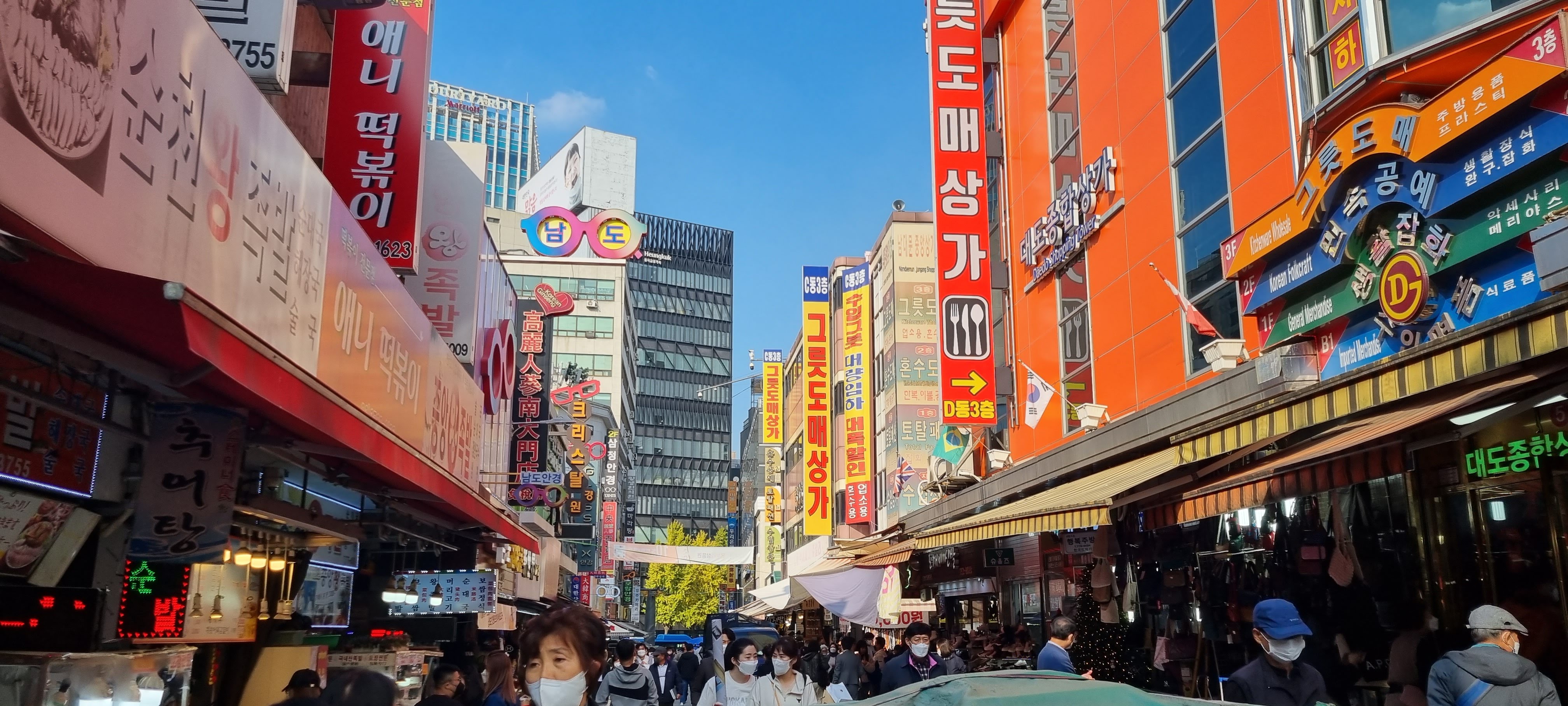
Korea is a foodie’s paradise and markets are at their best in autumn. At Gwangjang Market, try spicy tteokbokki, mung bean pancakes, and mayak gimbap (addictive mini seaweed rolls). In Myeongdong, you’ll find sweet hotteok, lobster skewers, as well as plenty of sweet treats — hotteok (syrup pancakes), corn dogs, and roasted chestnuts. We tried everything. some things worked and others were maybe a bit out there for the kids, but food is a big part of our travels, particularly street food, and Seoul definitely didn’t disappoint.

Seoul food markets

4. See Seoul from the N Seoul Tower

Head up N Seoul Tower for panoramic views but if you don’t want to pay to do that, you can also see incredible views for free around the tower. There’s some places to buy drinks and souvenirs as well as a very phot worthy, cute padlock collection. There’s also a photo booth! We went during the day and for sunset and honestly, the views are totally sensational. Definitely a must do in my book.

Views of Seoul
Views of Seoul at sunset

5. Visit Suwon

Suwon ended up being one of our favourite day trips from Seoul. We got the train which was easy and cheap. We loved walking along the Hwaseong Fortress walls — the views of the city below were amazing, and the gentle slopes made it easy even for the kids. Along the way, we stopped to do some of the hands on activities, grabbed some snacks from a nearby stall, and just enjoyed stroll. Walking the walls was also free which was a bonus!

Old and new Suwon

6. Take a bullet train

I am a big train fan. I love travelling by train and it’s my favourite mode of transport so I was excited to try the bullet trains in Korea. They’re fast, spotless, and surprisingly easy to navigate, even with kids and luggage in tow. We were amazed by how smooth and quiet the ride was. We’d settle into our seats with snacks from the station, watch the countryside blur by, and be in another city before we knew it. It made day trips to places like Gyeongju feel effortless — no stress, no traffic, just comfortable seats, clean toilets, and it felt pretty cool when the train starts to fly down the tracks. Getting tickets was very easy, we just went to the train station and got them there and then. They were also super affordable which for a family of five on a budget, was a definite bonus.

Seoul train station

7. Explore the Ancient City of Gyeongju

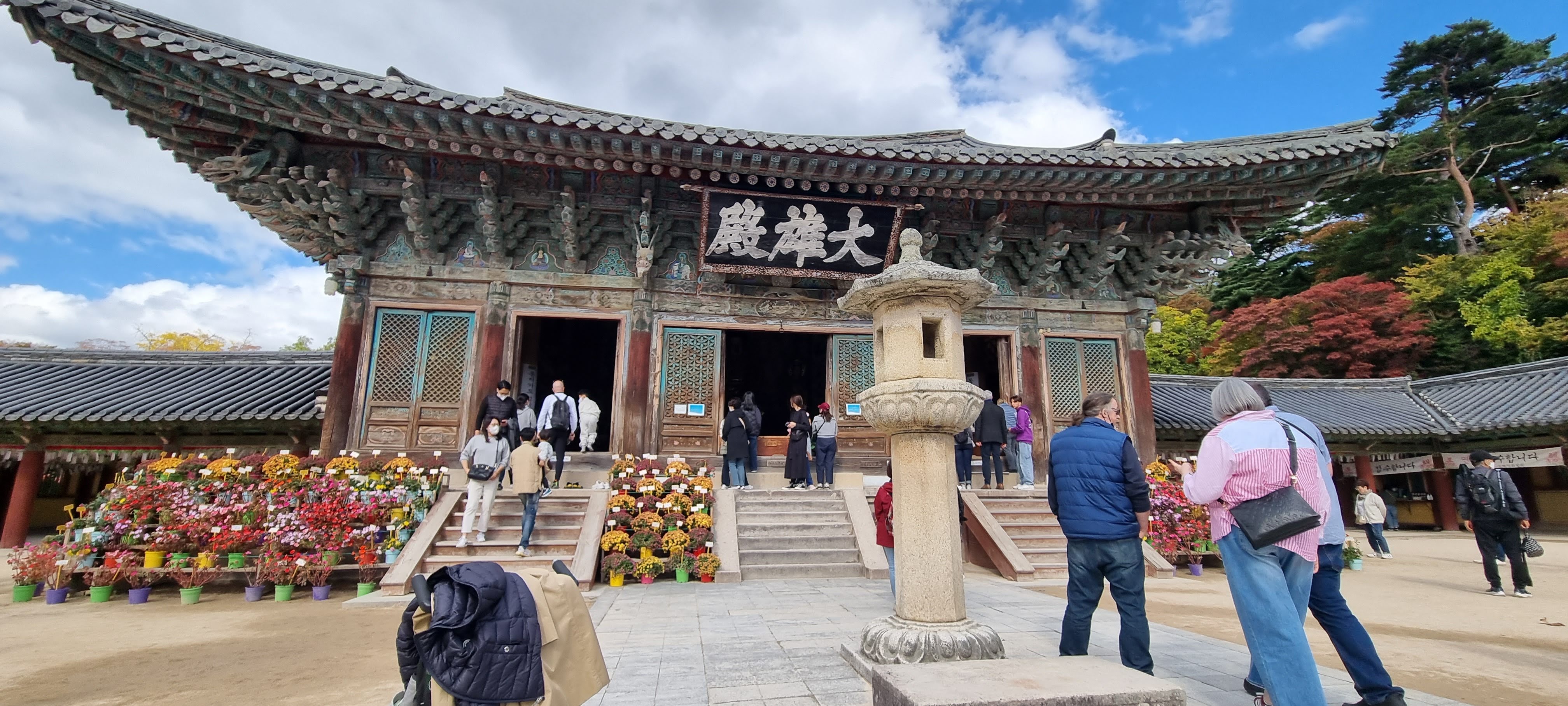
Often called “the museum without walls,” Gyeongju is packed with royal tombs, Buddhist relics, and 1,000-year-old temples. It really felt like we were wandering around some serious Korean history. The kids loved running (yes, running) around the burial mounds and the temples looked just picture postcard surrounded by the colours of Autumn. Visit Bulguksa Temple, Anapji Pond, and Cheomseongdae Observatory for a deep dive into Korean history.

Burial mounds
Bulguksa Temple
Bulguksa Temple

8. Gamcheon Culture Village

Gamcheon Culture Village in Busan was a great place to visit. Walking through the steep, winding streets felt like stepping into a giant art project — every wall, staircase, and alley was covered in bright murals, sculptures, and quirky installations. The kids loved spotting hidden characters, taking photos with the painted doors, and peeking into little galleries and shops along the way. It was fun to wander at our own pace, stopping for snacks or ice cream while enjoying the views of Busan’s harbour below. Gamcheon was definitely one of our favourite places.

Gamcheon culture village

9. Celebrate Halloween

Although we weren’t really prepared for it, Halloween in Korea felt like a much bigger deal than we expected — and not just for kids. Teenagers and adults were decked out in full costumes, roaming the streets and partying Halloween-style days before the actual holiday. Everywhere we looked, there were people dressed as superheroes, zombies, or K-pop stars, and the energy in neighborhoods like Hongdae and Itaewon was electric. Shops and cafés had spooky decorations, and even some subway stations got into the theme with pumpkins and themed displays. It honestly felt more like a city-wide festival than a single night of trick-or-treating — a mix of costume fun, music, lights, and laughter that made wandering the streets with the family feel lively and colourful. For families with kids, it’s easy to enjoy the atmosphere from a distance — grab a hot chocolate, stroll through the decorated streets, and let the kids marvel at the costumes without getting caught up in the late-night party scene.
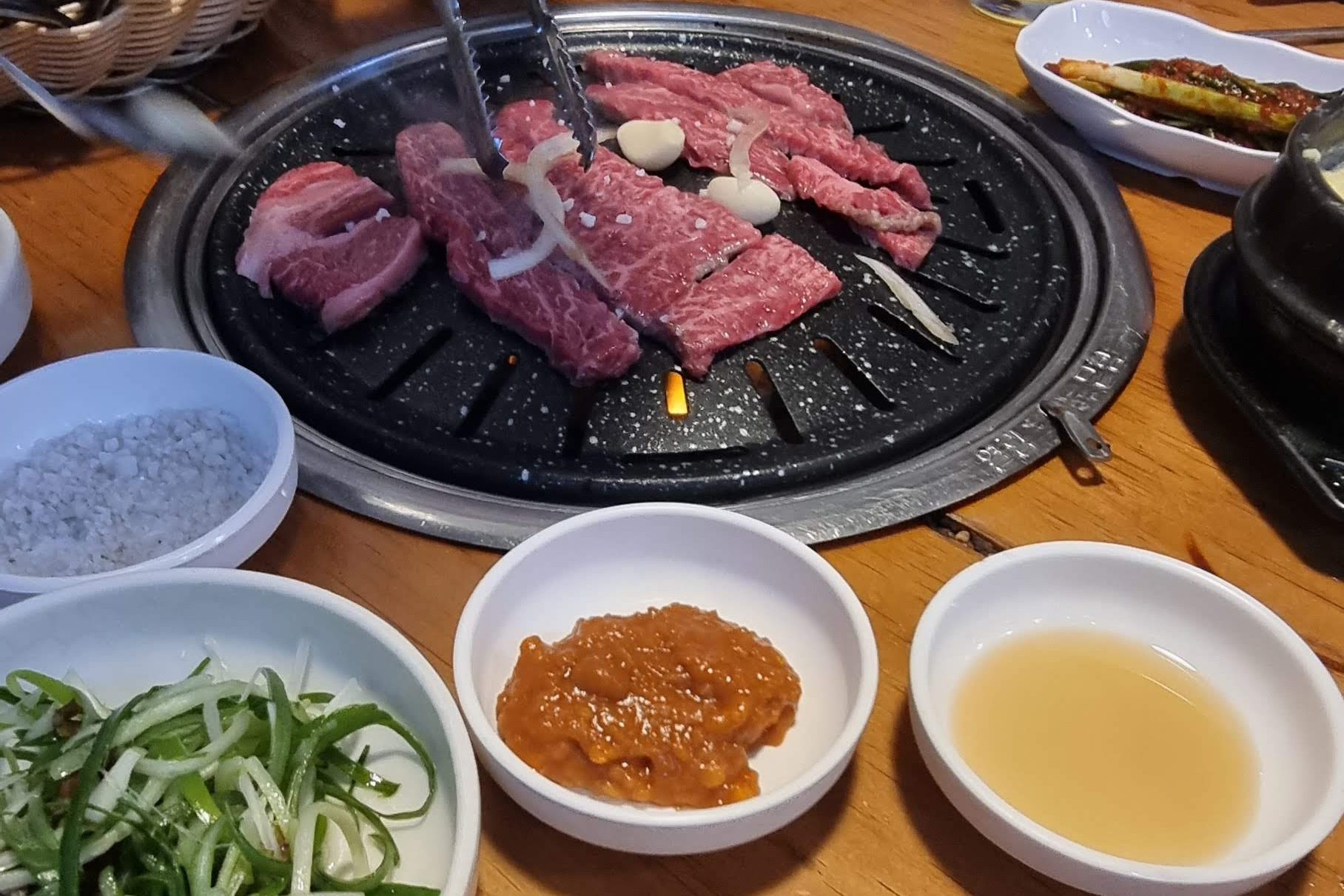
10. Try a Korean BBQ

Eating Korean BBQ in Korea was definitely a fun experience — Most restaurants have grills right at the table, so everyone can cook their own meat, vegetables, and seafood exactly how they like it. The meat eating kids loved watching the meat sizzle and trying little bites of everything, while the vegetarians enjoyed sampling all the side dishes — kimchi, pickled radish, and tiny pancakes. It’s very interactive, which makes it perfect for families. Full disclosure: if you’re vegetarian, options are limited, but it was a fun thing to do and a must do for all meat eaters.
11. Visit a photo booth

You can’t visit South Korea without trying a Korean photo booth — we absolutely loved them. Known locally as “purike” or self-photo studios, these booths are sprinkled all over Korea. Step inside, pick a background (from dreamy flower walls to neon K-pop vibes), and snap away! Ours kids loved choosing props and fun filters, as did we, in all honesty. You get instant, professional-quality photo strips to take home — the perfect souvenir of your Korea trip and some of our favourite and precious souvenirs from our entire 5 month trip around Asia. Korean photo booths guarantee genuine fun and a keepsake your family will absolutely treasure. We ended up visiting about 5 during our stay and we’ve now made a decision that whenever we see one, we use it, we love them so much.

Final Thoughts

Visiting Korea with children in October was an incredible experience. From exploring historic palaces and walking along fortress walls to travelling on bullet trains, wandering the colourful streets of Gamcheon, and enjoying interactive meals like Korean BBQ, each day was full of new experiences. The autumn leaves added a beautiful backdrop to parks, temples, and city streets, and even Halloween brought a lively, unexpected energy to the cities. It was a great mix of history, adventure and fun and we’ll definitely be back.
Five Months Family Backpacking in Asia

How We Did It, What We Learned, and Why You Can Too

Follow our travels on instagram

In 2022, our family pressed pause on everyday life to embark on an unforgettable five-month backpacking adventure across Asia with our three children. We left our jobs, took the kids out of school, rented out our house, and swapped daily routines for street food, tuk-tuks, and adventure.

From exploring ancient temples in Cambodia to hiking volcanoes in Indonesia, and from the bustling street markets of Vietnam to the tranquil beaches of Sri Lanka, this journey was more than a holiday—it was a life-changing family travel experience filled with learning, growth, and connection.

Whether you’re dreaming of long-term family travel in Asia or wondering how to make it happen, here’s everything we learned after five incredible months of travelling Asia with kids.

How We Balanced Family Travel and Education

One of our biggest concerns before leaving was how the children’s education would be affected. Taking them out of school for five months felt risky, but the reality was different. Travel became their classroom—immersive, hands-on, and full of real-world lessons. Our children didn’t just read about history or geography—they experienced it first-hand. They learned to surf, scuba dive and swim (for Charlotte who was just 5), they saw wildlife beyond anything they could’ve imagined, they saw the devastating impact of palm oil plantations, learnt about the 2005 tsunami in Banda Aceh, experienced history and religion through visiting temples, mosques and hearing the call to prayer, learnt new languages, used different currencies and experiences a vast array of different foods.

Countries Explored on Our Asian Family Backpacking Trip

Our itinerary included:

  • Thailand
  • Cambodia
  • Indonesia
  • Malaysia
  • South Korea
  • Vietnam
  • Sri Lanka

Each destination offered unique cultural experiences, breathtaking landscapes, delicious local cuisine, and countless unforgettable moments. From temple-hopping in Cambodia to watching sunrises over Indonesian volcanoes, every day was a new adventure. Of course there were things that didn’t go quite to plan (not that we had much of a plan) but embracing the flexibility of lack of organisation meant that we were able to adapt and some of these have become some of our best stories.

More than just a trip, it was a chance to reconnect and see the world (and each other) in a whole new way. The kids learned more in those five months than they ever could have from textbooks—and so did we.

Here are some of our takeaways from the whole process of planning our trip and spending 5 months travelling it!

Why Long-Term Family Travel in Asia is Possible for You

Many people told us, “Wow, it’s incredible you did that!” Our answer: you can do it too.

You don’t need to travel non-stop like we did to have a transformative experience. Even shorter or slower trips can provide fresh perspectives and strengthen family bonds.

If you’re a working parent in the UK, remember you can take up to up to 4 weeks of unpaid parental leave per child per year?, a great opportunity to travel without leaving your job.

We funded our trip partly by renting our home on Airbnb and borrowing against our house. While we didn’t earn money on the road, many families work remotely nowadays, making long-term travel even more feasible.

The bottom line? If this has been on your mind—even as a distant “maybe one day” dream—it’s more doable than you think.

Flexibility: The Key to Successful Family Backpacking in Asia

We’re not exactly known for our planning skills—which, sure, can make things a bit chaotic—but it also means we’re pretty good at rolling with the punches. We kicked off our trip with nothing more than a one-way ticket to Bangkok and a couple of nights booked at a hotel. Luckily, Thailand is perfect for spontaneous travellers—there’s always a bus leaving tomorrow, and last-minute plans are expected. That flexibility quickly became more than just convenient; it turned into a survival skill. When we landed in the Philippines, we found out a tropical cyclone was heading straight for us. Twenty-four hours later? We were sipping soju in South Korea, diving headfirst into an incredible (and completely unplanned) two-week adventure.

Planning a five-month trip in detail? For us, it’s impossible. The places you expect to breeze through often capture your heart, while those picture-perfect beaches you dreamed of might fall short. But if you give yourself the freedom to change course along the way, you’ll stumble upon unexpected gems—people, places, and meals you never imagined you’d find.

How Our Kids Adapted to Long-Term Travel and Schooling

I was really anxious about taking the kids away for five months, especially with the huge disruption to their schooling and social lives. I worried about how they’d handle the change, how they’d fall behind in school, and whether they’d struggle with feeling isolated from their friends and familiar routines. I kept imagining them feeling homesick or out of place, unsure of how to adjust. But as it turns out, they were totally fine. They adapted so well to the new environments, making connections easily and approaching it with curiosity. Their resilience amazed me, and I realised that sometimes we overestimate the emotional weight of change, only to find that kids are incredibly adaptable when given the right support.

What is Worldschooling? How We Learned Through Travel

I’m not a fan of the word but I really do believe in the philosophy around worldschooling. Worldschooling is an approach to education rooted in curiosity, flexibility, and firsthand experience. Instead of confining learning to a classroom, it allows the world itself to become the curriculum. Our kids studied ancient history by walking through the ruins of Angkor Wat, learnt about ecology by observing wildlife in the wild as well as learning to to snorkel, swim and scuba dive. It’s not about escaping structure but about reimagining it—learning maths through budgeting travel, empathy and tolerance through cross-cultural connection. Worldschooling doesn’t promise a perfect education, but it offers a living one—where lessons aren’t just absorbed, they’re lived.

Final Thoughts on Family Backpacking in Asia

If you’ve been dreaming of family backpacking trips in Asia or wondering how to balance travel with parenting and education, know this: it’s more possible than you think.

With an open mind, flexibility, and a bit of planning, your family can create unforgettable memories, learn together, and see the world from a new perspective.

Five Months Family Backpacking in Asia

How We Did It, What We Learned, and Why You Can Too

In 2022, our family pressed pause on everyday life to embark on an unforgettable five-month backpacking adventure across Asia with our three children. We left our jobs, took the kids out of school, rented out our house, and swapped daily routines for street food, tuk-tuks, and adventure.

From exploring ancient temples in Cambodia to hiking volcanoes in Indonesia, and from the bustling street markets of Vietnam to the tranquil beaches of Sri Lanka, this journey was more than a holiday—it was a life-changing family travel experience filled with learning, growth, and connection.

Whether you’re dreaming of long-term family travel in Asia or wondering how to make it happen, here’s everything we learned after five incredible months of travelling Asia with kids.

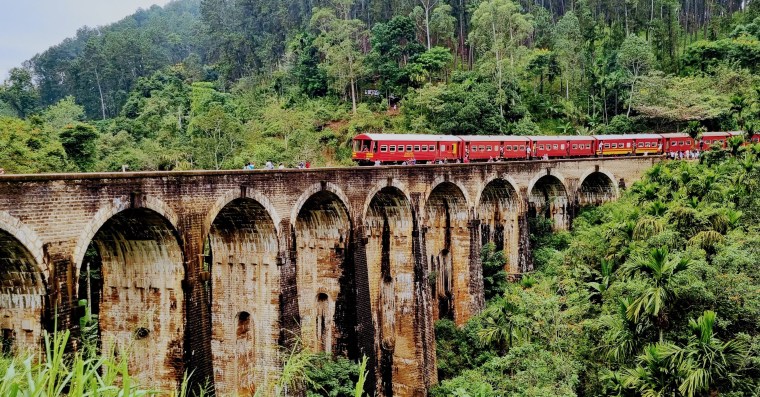
Train on the Nine Arch Bridge, Sri Lanka

How We Balanced Family Travel and Education

One of our biggest concerns before leaving was how the children’s education would be affected. Taking them out of school for five months felt risky, but the reality was different. Travel became their classroom—immersive, hands-on, and full of real-world lessons. Our children didn’t just read about history or geography—they experienced it first-hand. They learned to surf, scuba dive and swim (for Charlotte who was just 5), they saw wildlife beyond anything they could’ve imagined, they saw the devastating impact of palm oil plantations, learnt about the 2004 tsunami in Banda Aceh, experienced history and religion through visiting temples, mosques and hearing the call to prayer, learnt new languages, used different currencies and experiences a vast array of different foods.

A boat on top of a house from the 2004 tsunami in Sumatra

Countries Explored on Our Asian Family Backpacking Trip

Our itinerary included:

  • Thailand
  • Cambodia
  • Indonesia
  • Malaysia
  • South Korea
  • Vietnam
  • Sri Lanka

Each destination offered unique cultural experiences, breathtaking landscapes, delicious local cuisine, and countless unforgettable moments. From temple-hopping in Cambodia to watching sunrises over Indonesian volcanoes, every day was a new adventure. Of course there were things that didn’t go quite to plan (not that we had much of a plan) but embracing the flexibility of lack of organisation meant that we were able to adapt and some of these have become some of our best stories.

More than just a trip, it was a chance to reconnect and see the world (and each other) in a whole new way. The kids learned more in those five months than they ever could have from textbooks—and so did we.

Here are some of our takeaways from the whole process of planning our trip and spending 5 months travelling it!

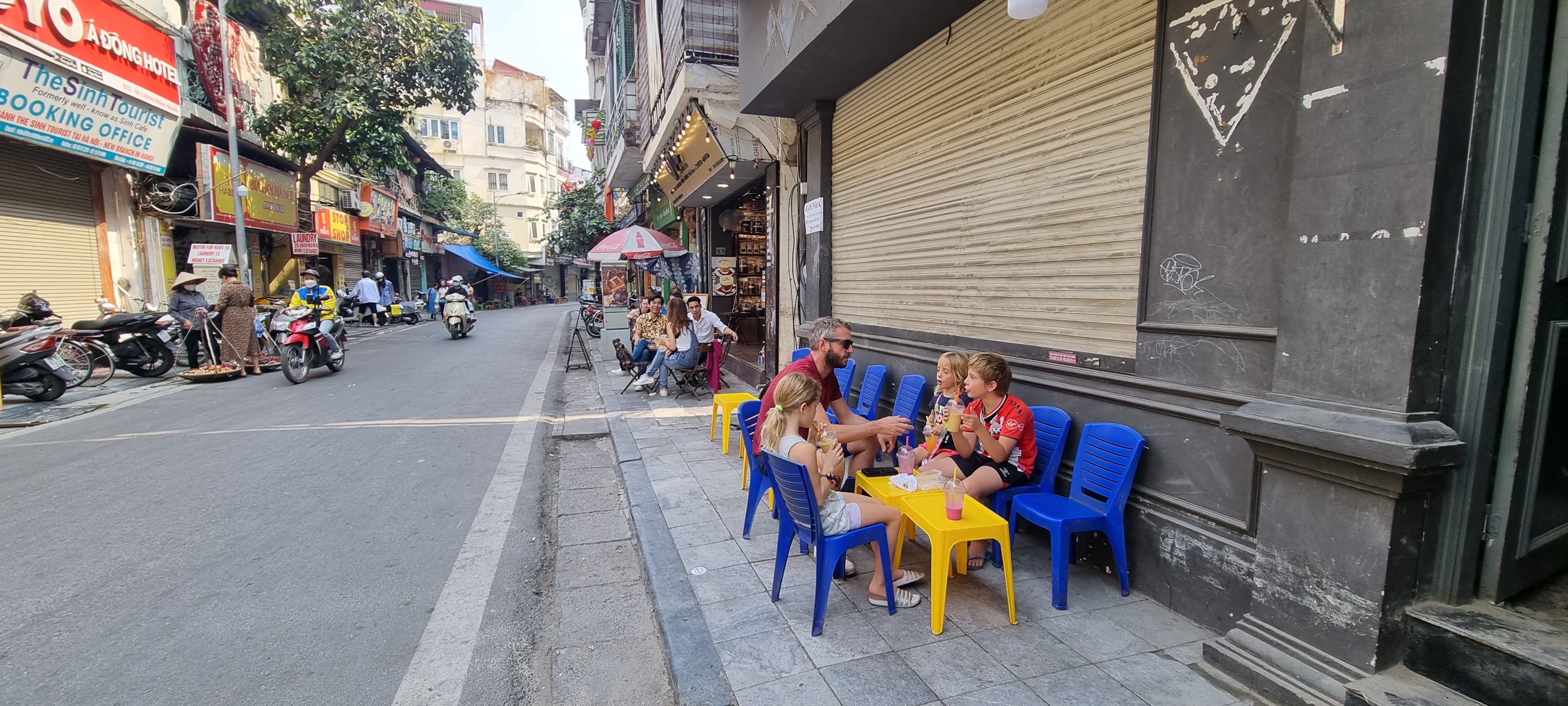
Street smoothies in Hanoi

Why Long-Term Family Travel in Asia is Possible for You

Many people told us, “Wow, it’s incredible you did that!” Our answer: you can do it too.

You don’t need to travel non-stop like we did to have a transformative experience. Even shorter or slower trips can provide fresh perspectives and can be incredible, life changing experiences.

If you’re a working parent in the UK, remember you can take up to up to 4 weeks of unpaid parental leave per child per year?, a great opportunity to travel without leaving your job.

We funded our trip partly by renting our home on Airbnb and borrowing against our house. While we didn’t earn money on the road, many families work remotely nowadays, making long-term travel even more feasible.

The bottom line? If this has been on your mind—even as a distant “maybe one day” dream—it’s more doable than you think.

Flexibility: The Key to Successful Family Backpacking in Asia

We’re not exactly known for our planning skills—which, sure, can make things a bit chaotic—but it also means we’re pretty good at rolling with the punches. We kicked off our trip with nothing more than a one-way ticket to Bangkok and a couple of nights booked at a hotel. Luckily, Thailand is perfect for spontaneous travellers—there’s always a bus leaving tomorrow, and last-minute plans are expected. That flexibility quickly became more than just convenient; it turned into a survival skill. When we landed in the Philippines, we found out a tropical cyclone was heading straight for us. Twenty-four hours later? We were sipping soju in South Korea, diving headfirst into an incredible (and completely unplanned) two-week adventure.

Old and new Suwon, Korea

Planning a five-month trip in detail? For us, it’s impossible. The places you expect to breeze through often capture your heart, while those picture-perfect beaches you dreamed of might fall short. But if you give yourself the freedom to change course along the way, you’ll stumble upon unexpected gems—people, places, and meals you never imagined you’d find.

How Our Kids Adapted to Long-Term Travel and Schooling

I was really anxious about taking the kids away for five months, especially with the huge disruption to their schooling and social lives. I worried about how they’d handle the change, how they’d fall behind in school, and whether they’d struggle with feeling isolated from their friends and familiar routines. I kept imagining them feeling homesick or out of place, unsure of how to adjust. But as it turns out, they were totally fine. They adapted so well to the new environments, making connections easily and approaching it with curiosity. Their resilience amazed me, and I realised that sometimes we overestimate the emotional weight of change, only to find that kids are incredibly adaptable when given the right support.

What is Worldschooling? How We Learned Through Travel

I’m not a fan of the word but I really do believe in the philosophy around worldschooling. Worldschooling is an approach to education rooted in curiosity, flexibility, and firsthand experience. Instead of confining learning to a classroom, it allows the world itself to become the curriculum. Our kids studied ancient history by walking through the ruins of Angkor Wat, learnt about ecology by observing wildlife in the wild as well as learning to to snorkel, swim and scuba dive. It’s not about escaping structure but about reimagining it—learning maths through budgeting travel, empathy and tolerance through cross-cultural connection. Worldschooling doesn’t promise a perfect education, but it offers a living one—where lessons aren’t just absorbed, they’re lived.

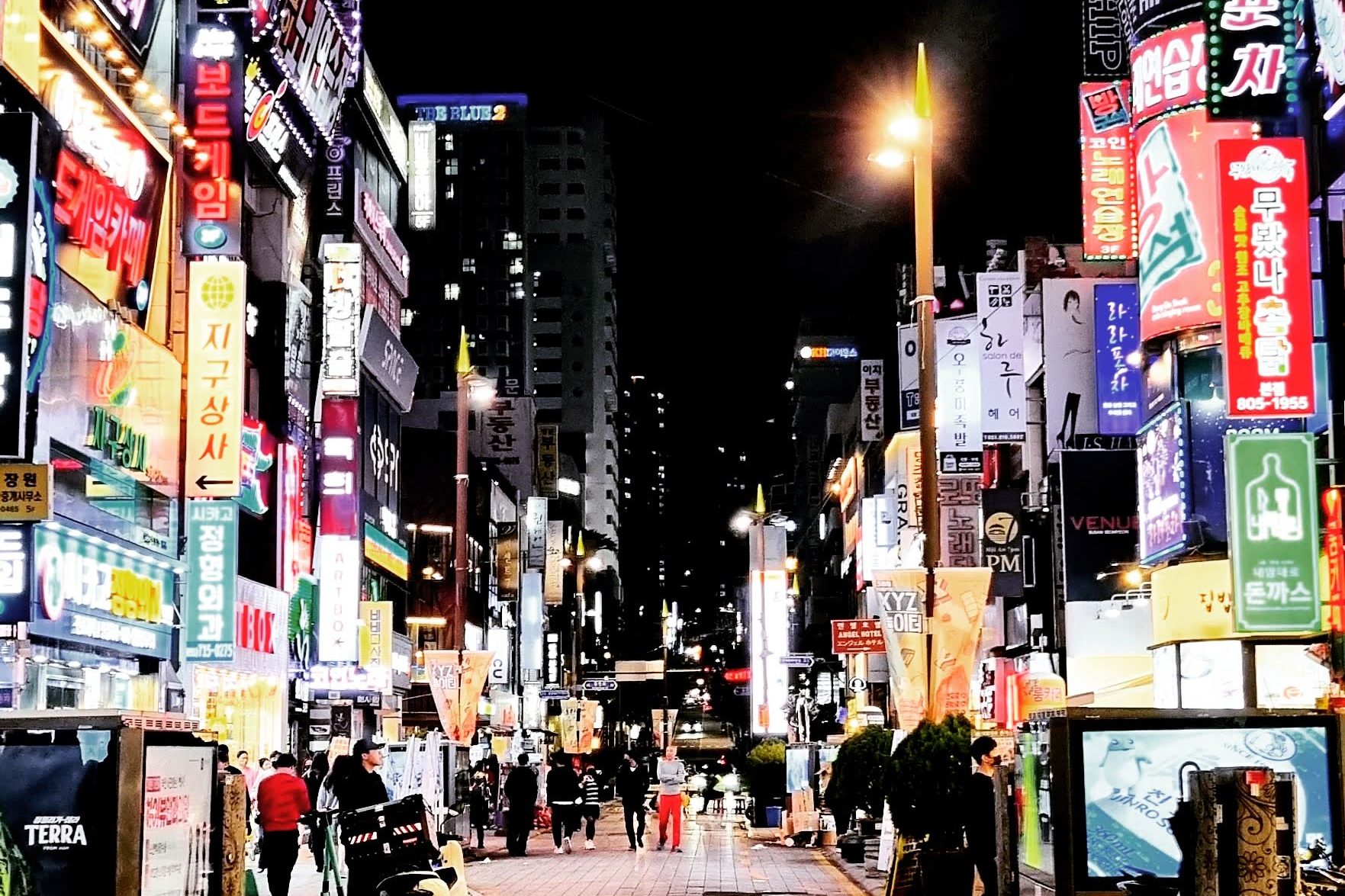
Wandering the streets of Seoul, Korea

Final Thoughts on Family Backpacking in Asia

If you’ve been dreaming of family backpacking trips in Asia or wondering how to balance travel with parenting and education, know this: it’s more possible than you think.

With an open mind, flexibility, and a bit of planning, your family can create unforgettable memories, learn together, and see the world from a new perspective.