Best Beaches on the South Coast of England (2025 Guide)

Follow our travels on Instagram

Growing up near Sheffield, I was far more familiar with rolling hills, green fields, and busy city streets than with beaches; they just weren’t part of my everyday life — in fact, I’d only visited a handful in the UK before moving down to the South Coast in 2002. Back then, I honestly didn’t think of the UK as a place for “proper” beaches at all.

Of course, I couldn’t have been more wrong. Over the years, I’ve discovered that the UK is blessed with a coastline that’s every bit as beautiful, dramatic, and family-friendly as anywhere in the world. Sure, we can’t always guarantee tropical sunshine, but what we do have are miles of golden sands, crystal-clear coves, and seaside spots perfect for everything from rock-pooling with the kids to building sandcastles or simply enjoying fish and chips with a view. So here are my picks for our favourite beaches in the UK.

Sandbanks

I really love Sandbanks. It really is one of those beaches that makes you feel like you’re on holiday without leaving the South Coast, with its golden sands and clear waters. It’s our go to beach on a hot day. If you get there early enough, you can park at the small car park off Shore Road and enjoy a quieter end of the beach. There’s a couple of cafes, toilets and an ice cream shop as well as having Tescos nearby if you want to grab a budget lunch. Sandbanks has the reputation for being upmarket but there’s still plenty of classic seaside charm, away from the fancy houses, and it really is one of the best beaches on the south coast, in my view.

Sandbanks

Weymouth

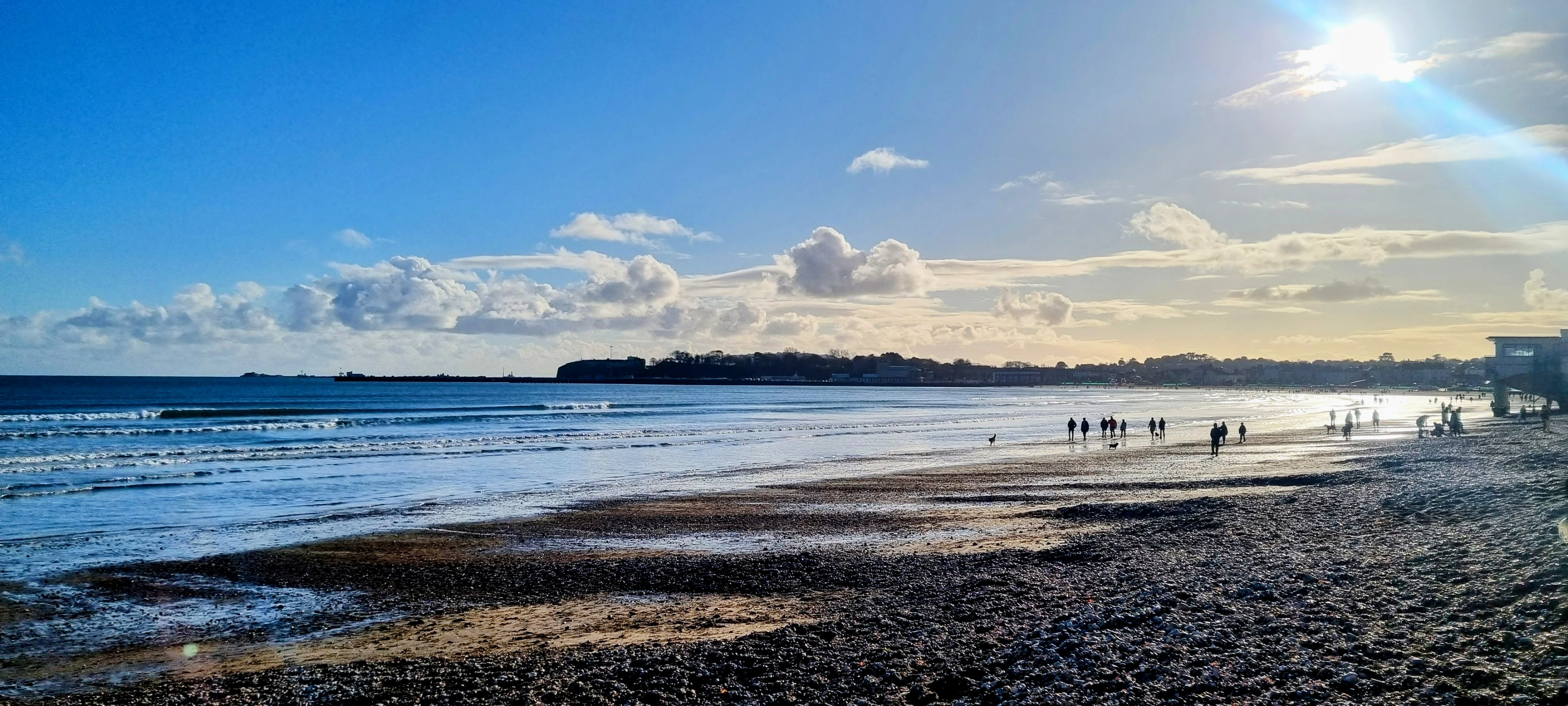
Weymouth holds a special place in our hearts — it’s where Steve grew up and where we still have family, so it always feels a little like coming home. Weymouth Beach perfectly captures the classic British seaside vibe. Its wide, gently sloping sands are ideal for families, whether you’re building sandcastles, paddling safely in the shallow waters, or venturing a bit further out on a paddleboard. Backed by a historic Georgian seafront, the beach is picture-perfect. And because it’s a traditional seaside town, you’ve got all the classics: old-school ice cream, fish and chips (the kind that makes you feel slightly guilty but totally justified), Punch and Judy shows, deckchairs for hire, fresh seafood to buy directly from the incoming boats and the inevitable seaside arcade games that may or may not bankrupt you before lunchtime. A little further up the beach is the pebbly and wavy Overcombe beach which is perfect if you’re after a little more dramatic (and much quieter) beach trip. The views across the Jurassic Coast are stunning with the white cliffs and undulating hills. There’s also Bowleaze cove
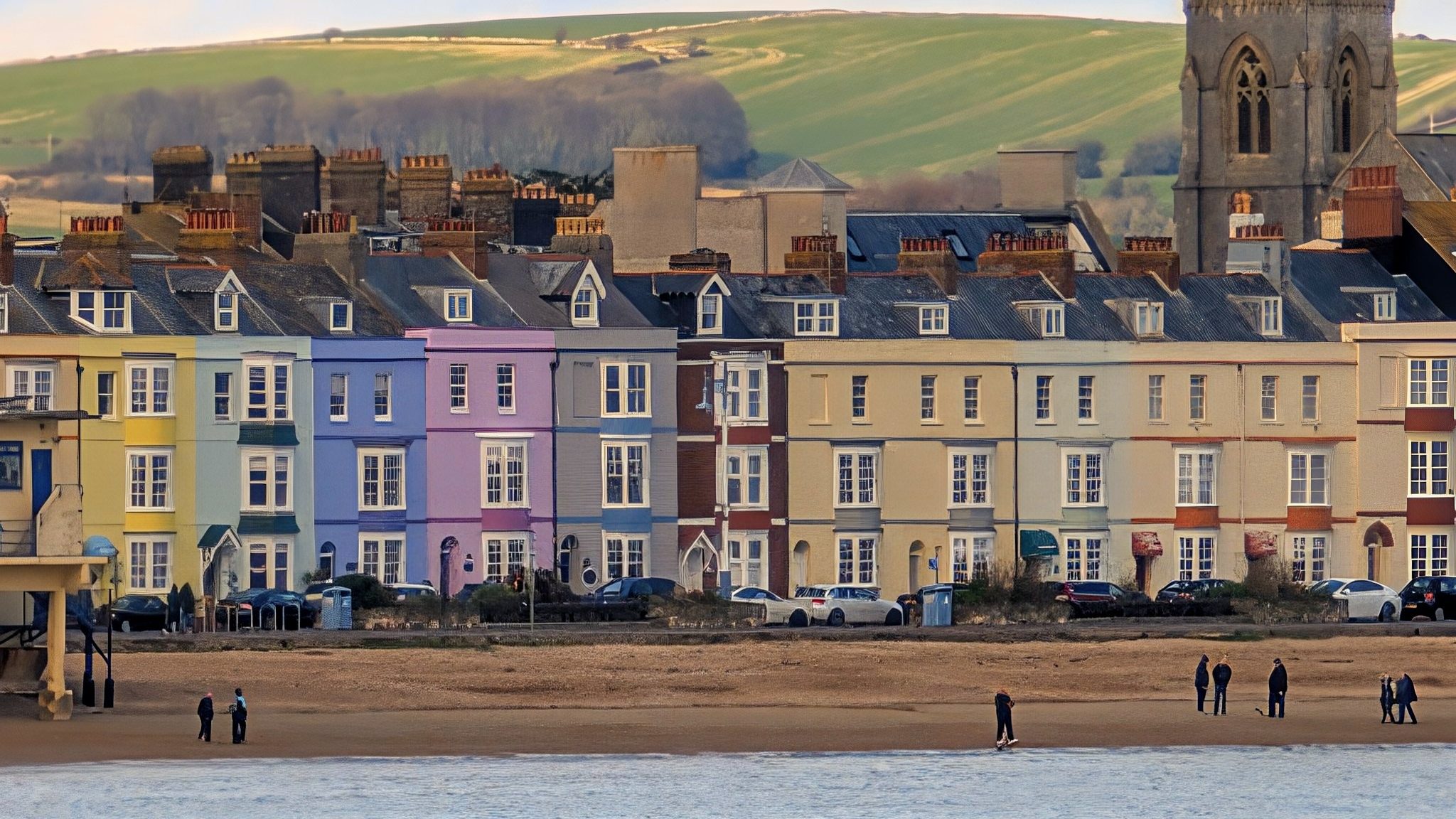
Georgian houses in Weymouth
Weymouth

Southsea

I’ve got a real soft spot for Southsea. It has that traditional seaside feel where you can mix a bit of time on the beach with plenty happening just behind it. The beach itself is mostly shingle — which I secretly prefer because, let’s be honest, sand gets everywhere. The real buzz is along the seafront: arcades, cafés, and the South Parade Pier where you can grab fish and chips, a slice of pizza for £2, or an ice cream. There’s even a little kiosk serving cockles, mussels, and jellied eels by the pot if you fancy something properly old-school. Since 2022, there’s been a lot of redevelopment here, with a new stretch of promenade gradually opening up that will soon let you walk all the way along the seafront to Clarence Pier and the Hovercraft station — where you can whizz across to Ryde on the Isle of Wight in just 10 minutes. Clarence Pier itself is packed with fairground rides, arcades, and everything you’d expect from a classic British seaside town. And if the retro seaside vibe isn’t your thing, you can now even book a seaside sauna — a new trend popping up along the coast that I’m surprisingly keen on.
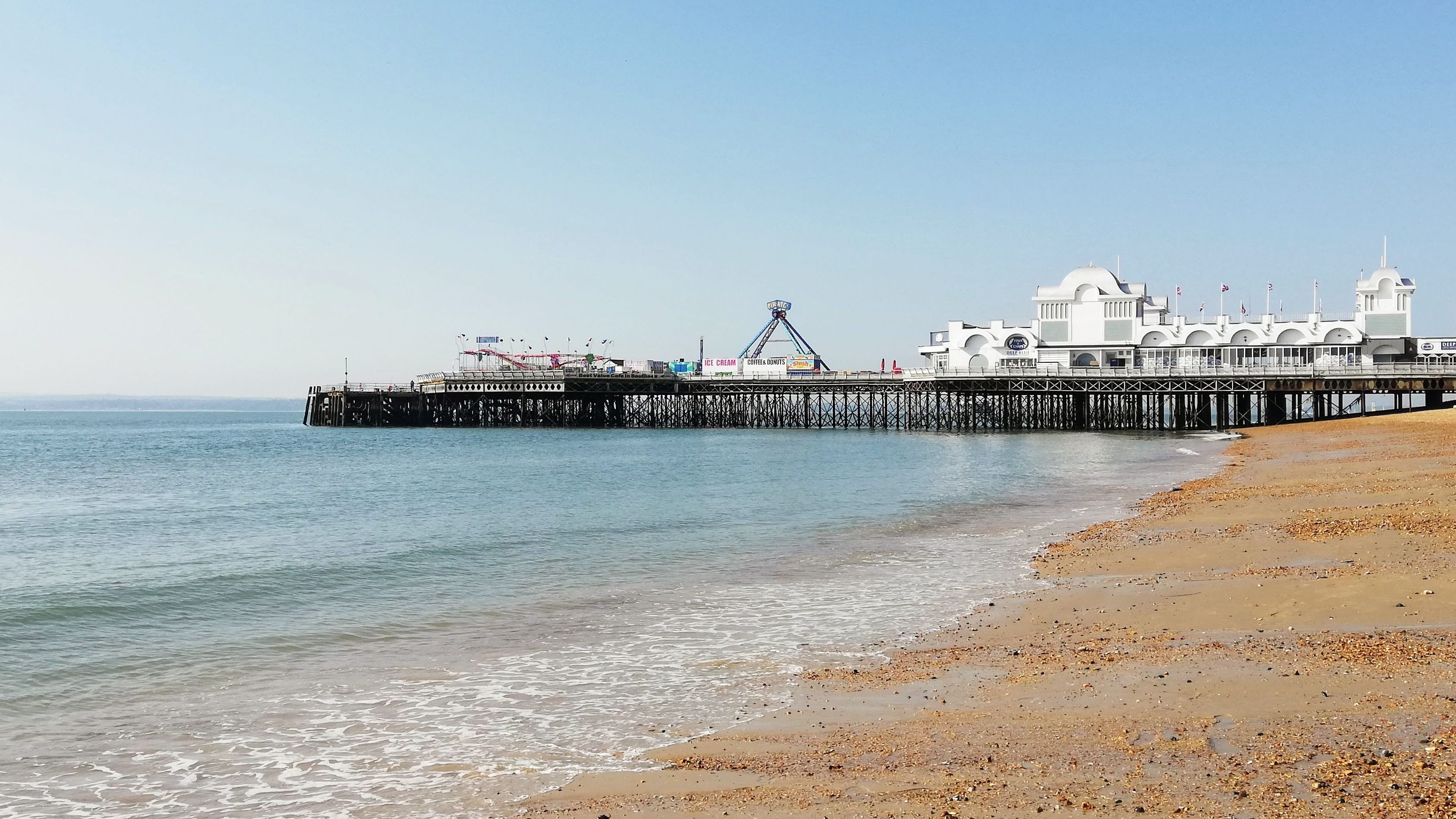
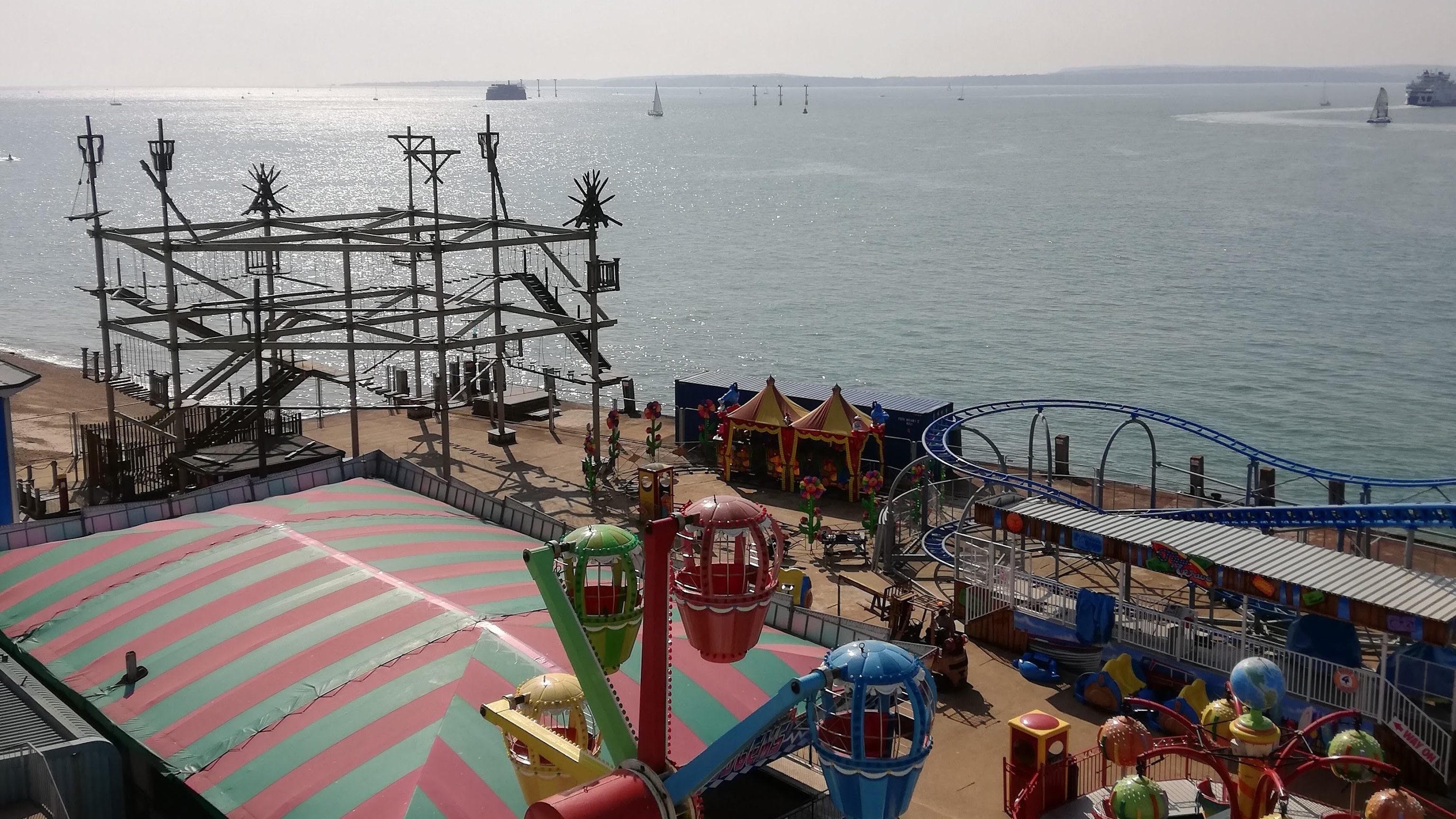
Southsea beach
Clarence Pier

Durdle Door

Durdle Door is less “bucket and spade” and more “wow, look at that view!” Famous for its dramatic limestone arch, this beach is all about the scenery. The walk down can be a bit of a workout (and getting back up even more so), but once you’re there, it’s worth every step. Facilities are limited, so it’s best to come prepared with snacks, drinks, and maybe even a picnic. Just don’t forget the camera.

Durdledoor

Witterings

West Wittering is one of those beaches where you find a different side to the British seaside but feels every bit as quintessentially British as the classic seaside towns. The huge expanses of beach, shallow tidal pools for kids to splash in, sand dunes for exploring, as well as plenty of space to fly a kite or kick a ball around. It’s a firm family favourite thanks to its Blue Flag status and big skies, and while it can get busy on sunny weekends, there’s always enough sand to go around. There’s a large carpark behind the beach so parking has never been a problem for us and we always take a picnic as there aren’t loads of options to buy food, but that always keeps costs down anyway!

West Wittering

Lyme Regis

Lyme Regis strikes a lovely balance between sandy beaches and a charming seaside town atmosphere, and it feels quite different to places like Southsea or Weymouth. The beach is perfect for kids to paddle, build sandcastles, or try their hand at crabbing off the harbour wall, while grown-ups can stroll the promenade or poke around the little independent shops. When it’s time for a snack, there’s no shortage of options — from classic fish and chips or a cone of ice cream to a brilliant bagel hut that even hands out umbrellas with your order (purely to defend yourself from the ever-hopeful seagulls). In summer it’s lively but never overwhelming, more of a cheerful buzz than a crush of people. You can hire a beach hut and settle in for the day, head out on a paddleboard with an eye out for dolphins, or simply stock up on some traditional fudge for the trip home. Lyme Regis really has that timeless British seaside feel.
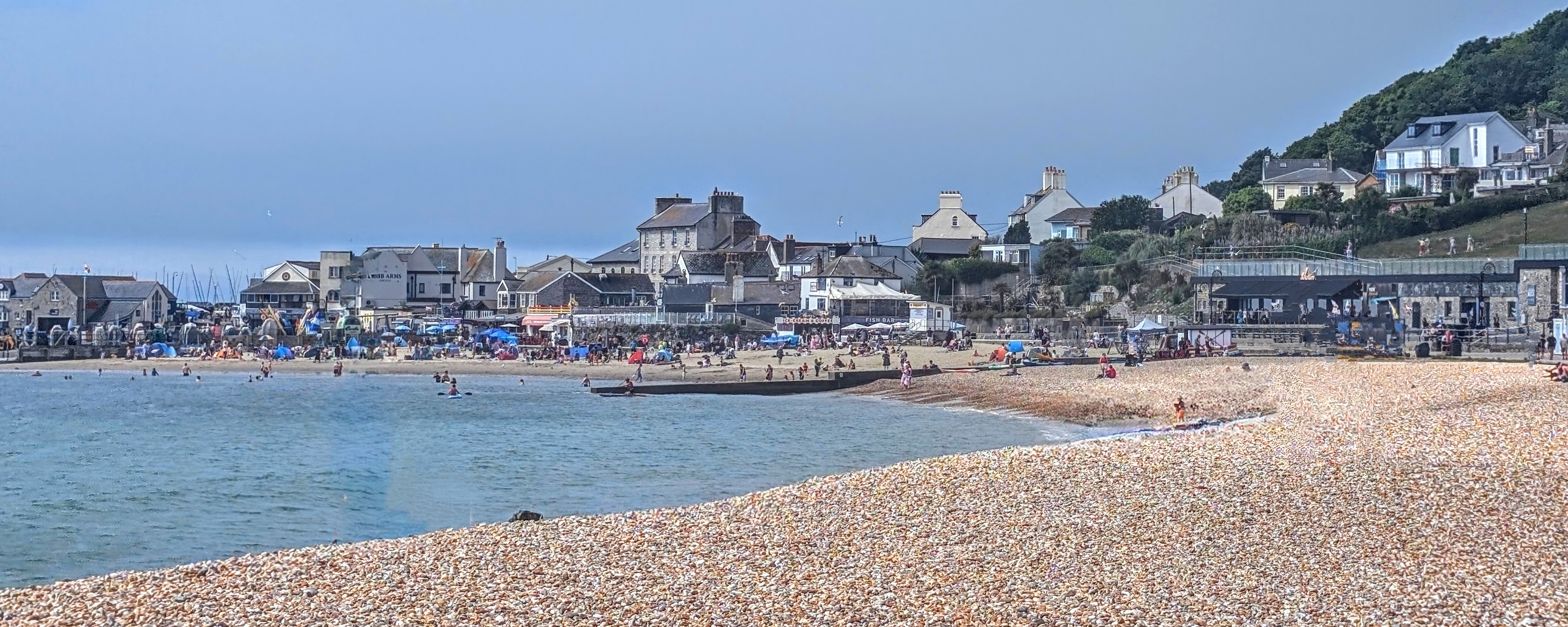
Lyme Regis

Mudeford

I love the vibe at Mudeford Beach. It is one of those places that feels effortlessly calm, even on a sunny weekend, where it always feels possible to find a good beach spot. I love the wide, sandy stretch and the line of pastel beach huts that give it a quietly charming vibe. The harbour adds a little energy without ever feeling crowded — I often watch paddleboarders drift past, or families crabbing from the quay while small boats head out to the channel. One of my favourite things is hopping on the short ferry to Mudeford Sandbank, where there are great views of Hengistbury Head and the Isle of Wight. Between easy walks along the shore and grabbing fresh seafood from the local huts, it’s a beach that feels both relaxing and authentic — the kind of spot I love returning to.

Mudeford

Brighton

When I lived in Sheffield, the closest I got to Brighton Beach was an Indie Club night by the same name! Brighton Beach is one of the UK’s most iconic seaside destinations, with its promenade, distinctive pebble shore, and the famous Brighton Palace Pier stretching proudly into the sea. The beach is fabulous year-round, although summer brings the quintessential British seaside vibe, and busy beaches! The pier itself is a Brighton landmark, offering everything from nostalgic arcade games to the irresistible scent of freshly fried doughnuts drifting from the pier’s food stalls. Whether you’re dipping your toes in the English Channel, or watching the sunset glimmer over the pier’s silhouette, Brighton Beach perfectly captures the carefree, colourful spirit of this beloved coastal city.
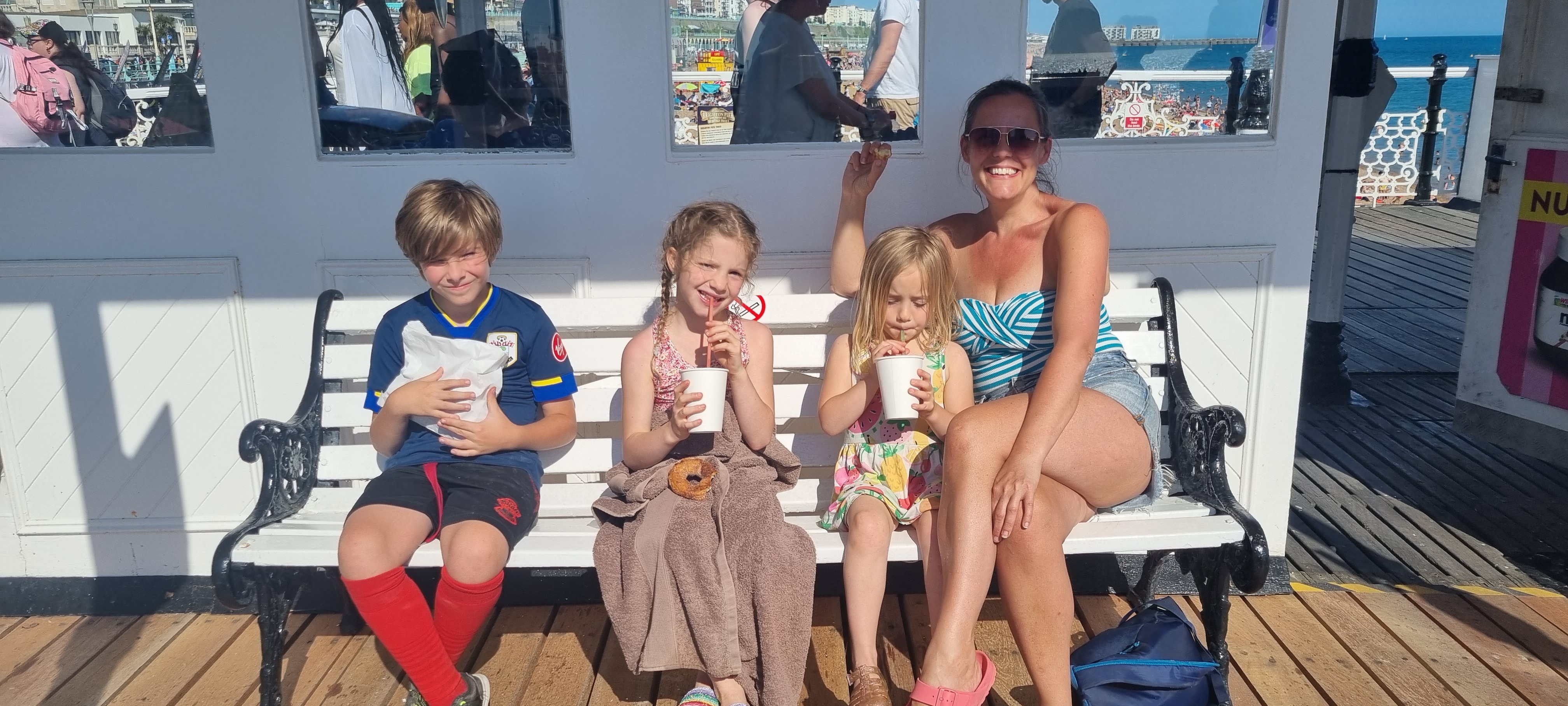
Doughnuts on Brighton Pier
Brighton beach

Highcliffe beach

Highcliffe Beach might not make it onto many “best beaches in Britain” lists, but honestly, we love it — and for good reason. First off, it’s never heaving with people. Even in summer, it has this slightly wild, open feel that makes you feel like you’ve stumbled on a bit of hidden coastline. Then there are the waves — yes, waves in Dorset! It can get a bit choppy, which just adds to that untamed vibe, and you’ll even spot a few brave surfers out there. Another big win: parking. There’s a big car park right at the top of the cliff, with an easy walk down to the beach, plus a little truck serving pizza and ice cream. And if you’ve been exploring the New Forest (as mentioned in my post on Autumn walks near Southampton), Highcliffe is just a short drive away — the perfect spot to round off the day.
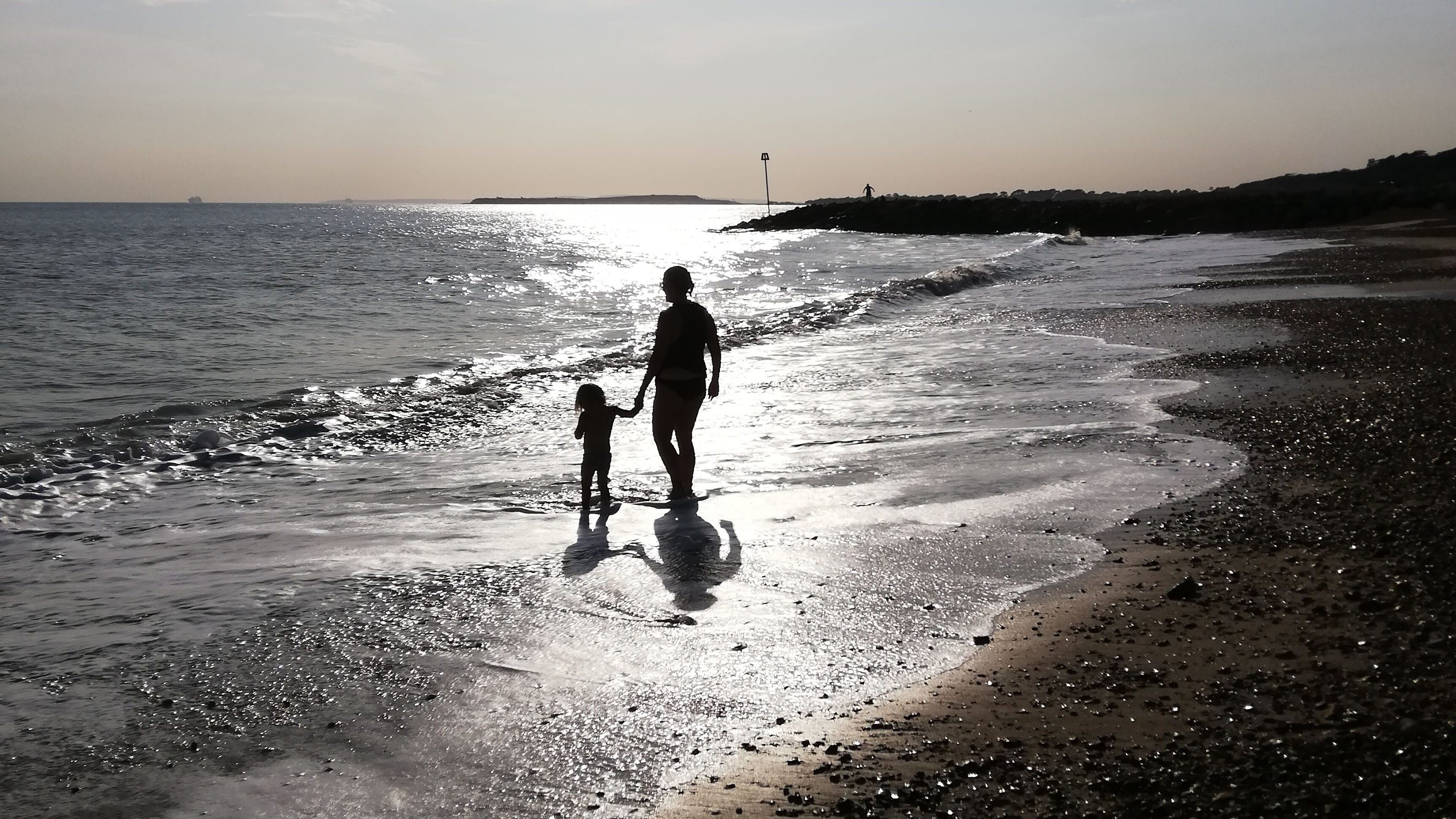
Highcliffe beach

final thoughts

The UK might not always win points for its weather, but when it comes to beaches, we’ve got some real gems. From lively city shores to the wild, windswept stretches of the Witterings, even this small selection of south coast beaches shows just how varied and beautiful our coastline can be. And the best part? You don’t need perfect summer weather to enjoy them — these beaches are just as stunning in the quiet of winter as they are under the summer sun.

Top Things to Do in Austin, Texas in December: Holiday Events, Outdoor Adventures & Local Favourites

Discover the best of Austin in December—from festive holiday lights and markets to outdoor adventures and cosy indoor activities. Plan your perfect winter getaway!

Follow our travels on instagram

Visiting Austin, Texas in December is a fantastic way to experience the city without the summer heat or festival crowds. Some of our best friends relocated here a few years ago so have had the opportunity to visit twice at Christmas. The cooler weather makes it perfect for exploring Barton Springs, hiking, and enjoying Austin’s incredible food scene. December also brings plenty of seasonal charm, from the dazzling Austin Trail of Lights to the Armadillo Christmas Bazaar. Here are our favourite things to do in Austin, Texas in December to help you plan your holiday trip.

Barton Springs

Even in December, Barton Springs is definitely worth a visit. From what I’d read, the water stays pretty consistent all year round, and sure enough—it was refreshing but absolutely lovely! To our surprise, there were quite a few people swimming and enjoying the beautiful December weather, proving that Austinites really know how to make the most of their outdoors, even in winter.

Trail of Lights

The US really knows how to take Christmas up a notch—or five—and the Austin Trail of Lights is no exception. We visited in the wake of Covid, so we had to drive through rather than walk, but even from the car, it was big, bright, and full of festive cheer. The kids absolutely loved it (and so did we), and the whole experience perfectly captures the holiday spirit in Austin. I’d definitely put it on your “must-do” list if you’re visiting the city during the festive season.

Zilker Park Trail of Lights in Austin December

Austin Street Art

Austin’s street art scene is just as vibrant as its food. Everywhere you turn, colourful murals brighten the streets, from the iconic “I love you so much” wall on South Congress to hidden gems tucked down side streets. Wandering around hunting for murals became one of our favourite things to do. I always feel like street art tells the story of a city and Austin’s street art was no exception. December’s cooler weather made strolling between murals even more enjoyable, and it’s a perfect way to see the city’s creative spirit up close. Whether you’re an art lover or just looking for fun photo ops, Austin’s street art is impossible to miss.

Austin street art

Eat tacos for breakfast, lunch and dinner

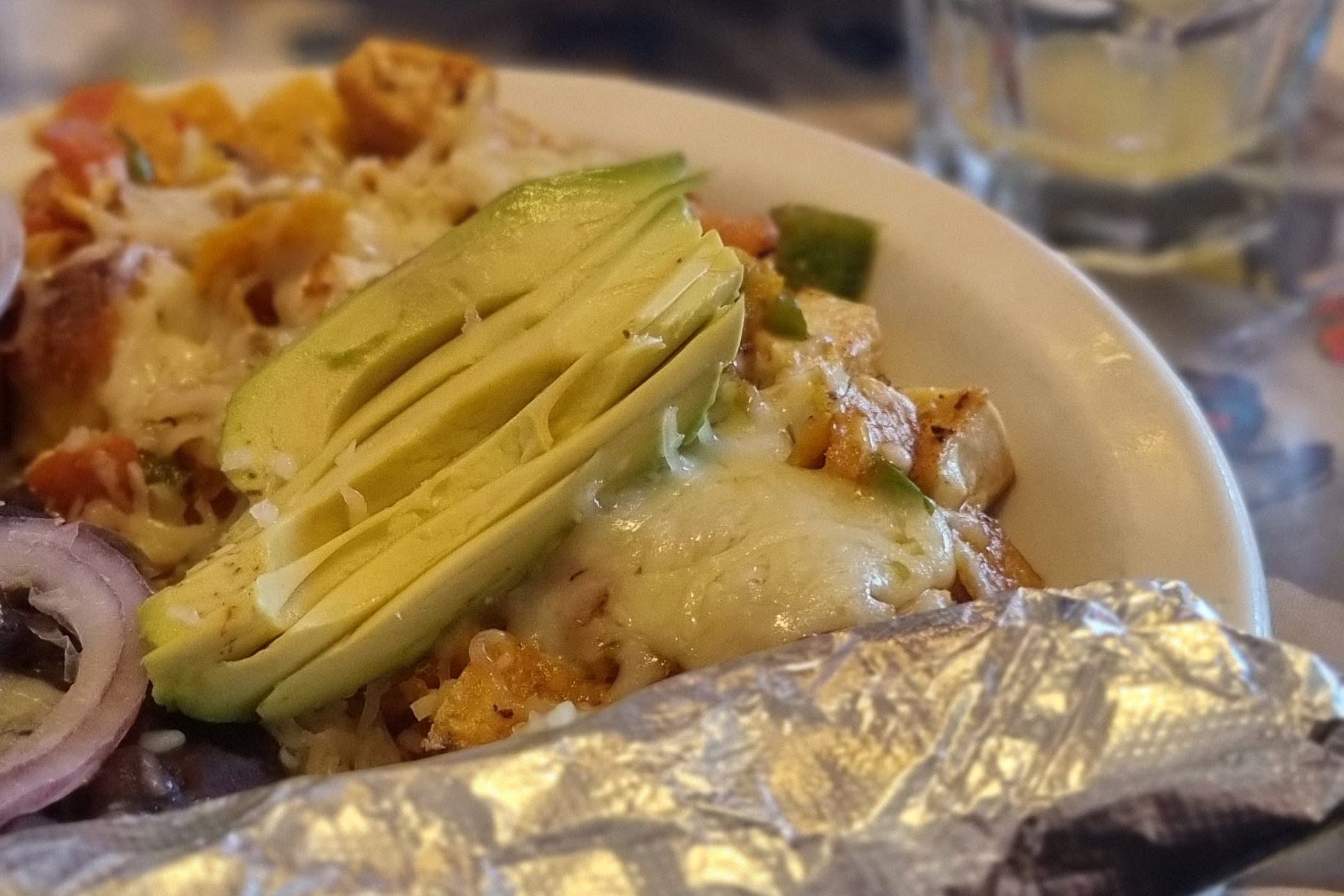
No visit to Austin would be complete without diving into its legendary taco scene. From breakfast tacos loaded with eggs, bacon, and spicy salsa to late-night taco trucks serving up tender brisket or barbacoa, Austin has something to satisfy every craving. We found ourselves sampling everything from traditional Tex-Mex flavours to creative twists that you won’t find anywhere else. Whether you’re grabbing a quick bite on the go or savouring tacos at a bustling local eatery, it’s easy to see why Austin tacos have a reputation all their own. My favourites were found in The Shady Llama and I also had an incredible migas taco (breakfast taco) at the Austin icon Magnolia Cafe washed down with bottomless mimosas. If you go to Magnolia Cafe, you also have to try the Mag Mud. I dream about it. Genuinely.

The iconic Magnolia Cafe in Austin, Texas
taco and mimosa at the Shady llama

Pioneer Town

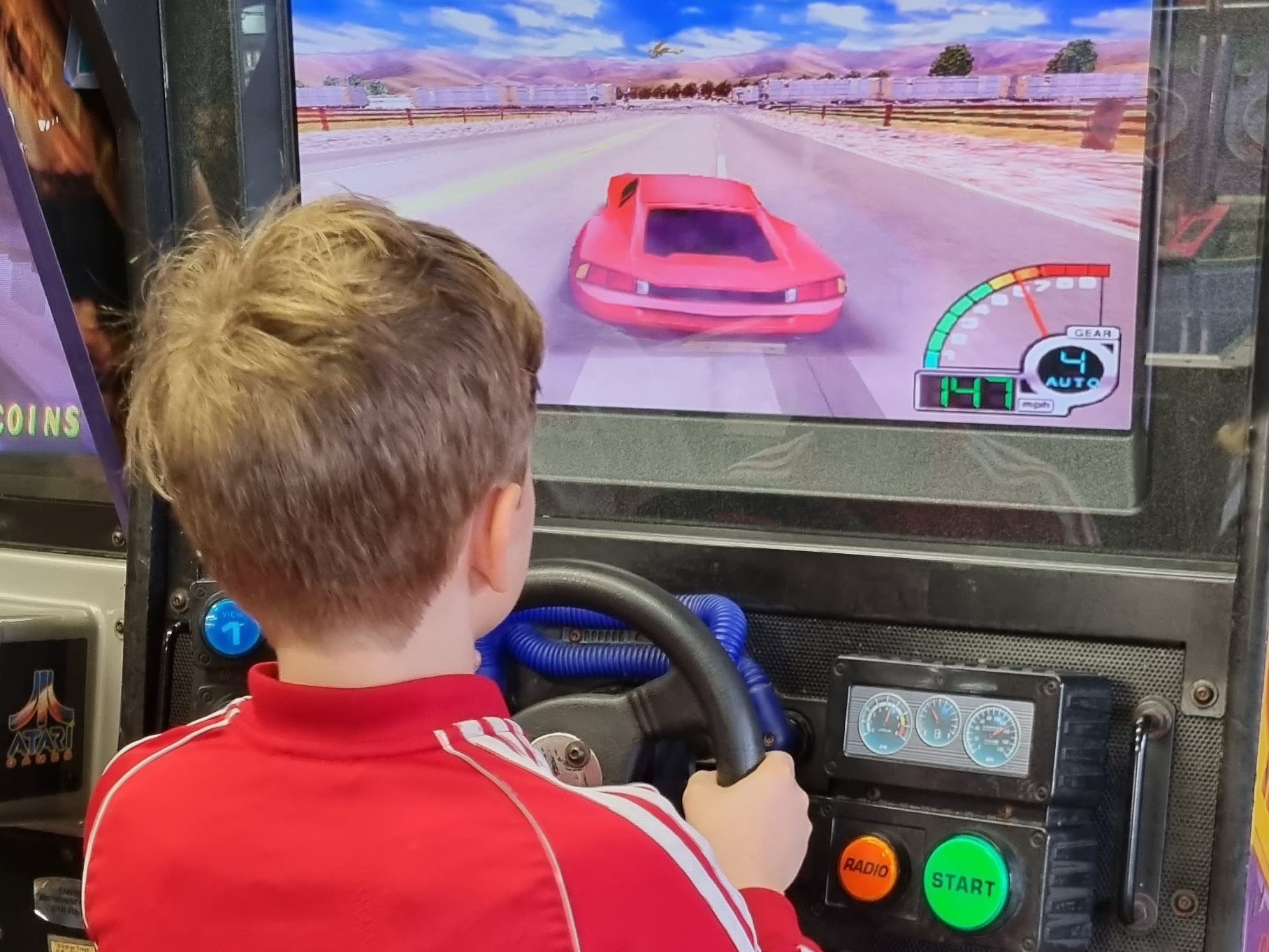
This was such a cool and quirky place to visit. It really had that Wild West atmosphere and almost felt like walking onto a film set. Just a short drive from Austin, Pioneer Town takes you back in time with its wooden boardwalks, old storefronts, dusty streets, and a classic saloon where you can grab a cold drink. It’s a laid-back spot with plenty of character—great for families, history enthusiasts, or anyone curious about Texas’s frontier past. Kids will find plenty to keep them entertained too, from climbing structures to a games room with vintage-style arcade machines. And if you’re planning a visit, the cooler December weather makes wandering around far more enjoyable than in the peak heat of summer.

Pioneer Town
Vintage games room at the Pioneer Town

Visit a Brewery

Austin has earned a well-deserved reputation as one of the best craft beer cities in the country, with a brewery scene that’s as creative and lively as the city itself. From sprawling beer gardens shaded by oak trees to funky taprooms tucked into old warehouses, there’s something for every beer lover here. You’ll find experimental brewers pushing boundaries with bold flavours and inventive ingredients, right alongside classics that focus on crisp lagers, hop-forward IPAs, and smooth stouts. Many spots are family- and dog-friendly, often with live music, food trucks, and plenty of outdoor seating that invite you to linger. For those of us in the UK who love a pub, the brewery scene definitely scratches that itch!

Shady Llama brewery

Drink (a) Margarita(s)

No trip to Austin would be complete without sampling the city’s legendary margaritas. Whether you’re after a classic lime margarita or something with a creative twist—think smoky mezcal, fresh fruit, or even spicy jalapeño—Austin’s bars and restaurants definitely deliver, and there is also something cultural (so wholesome…?) about sampling them, so sample them we did. It’s one of those quintessential Austin experiences. One of my favourite classics was from The Hula Hut which also serves some pretty incredible tacos.

Classic Margarita at the Hula Hut

Visit the State Capitol Building

Politics in Texas comes to life at the State Capitol Building, so it’s definitely a must-visit—especially if politics is your thing (and it really is mine!). But even if you’re not a politics buff, it’s hard to ignore just how stunning the building is. With its striking pink granite, soaring dome, and grand architecture, many would argue it’s the prettiest building in the city. I really enjoyed our visit there. I find American politics and history fascinating, and it feels like it all comes together in the Capitol Building.

Texas State Capitol building

Find a Longhorn

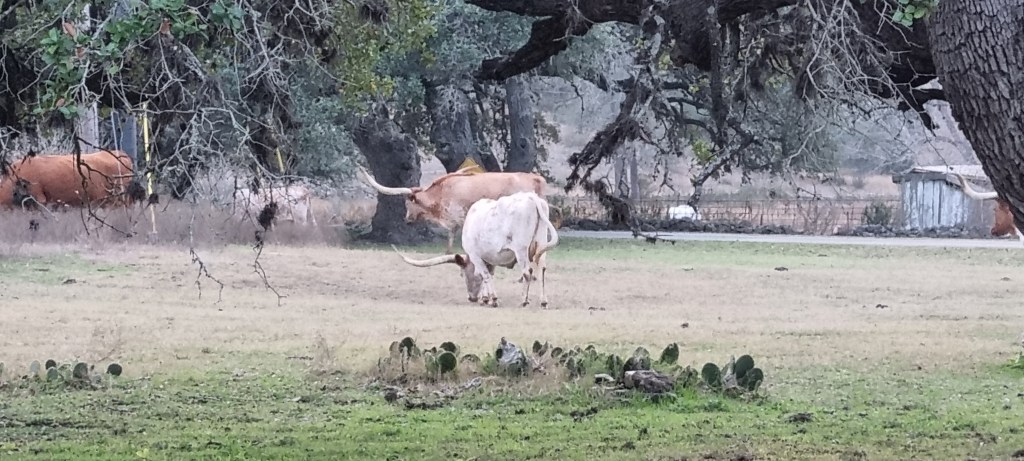
I love cows and so one fun thing we stumbled upon in the Austin area was spotting a Longhorn cow—or two—roaming the countryside. With their impressively long, curved horns and calm, steady gaze, these iconic Texan creatures are impossible to miss. Driving around the outskirts of the city, we couldn’t resist pulling over to snap a few photos. Beyond the city’s vibrant streets and culture, Texas is still very much a place where the wild and the rural feel close at hand. Keep your eyes peeled—you never know when a Longhorn might appear.

Longhorns

Visit South Congress Avenue

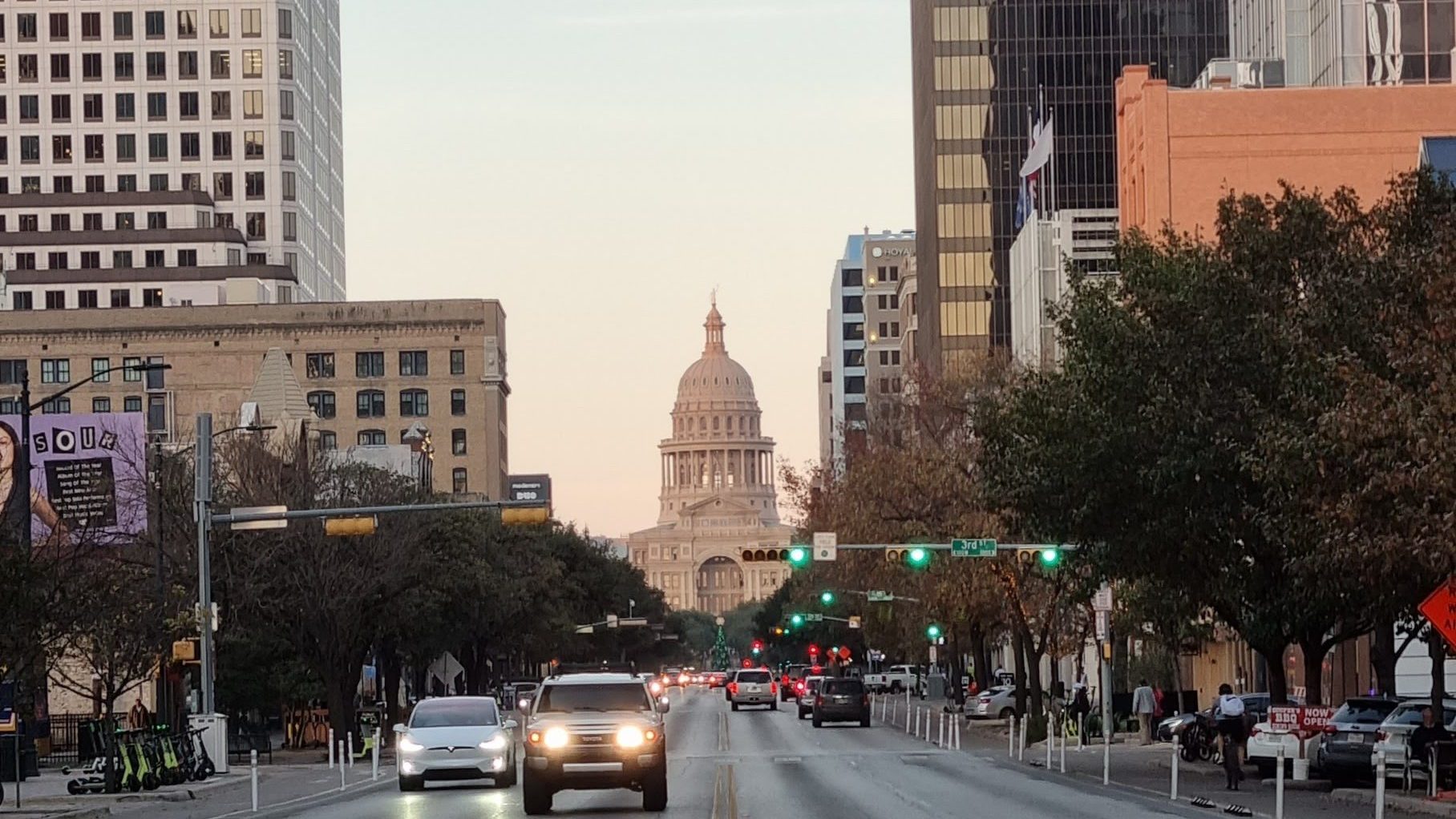
South Congress Avenue is one of Austin’s most iconic stretches—a lively mix of boutiques, coffee shops, restaurants, and music venues that perfectly captures the city’s character. Strolling along the avenue, you’ll find everything from quirky vintage stores to upscale galleries, alongside the iconic city murals for a quick photo stop. Street performers also give the whole area a laid-back but vibrant vibe. One of the highlights is the view north toward downtown: the Texas State Capitol rises at the end of the avenue, framed by the bustle of shops and the hum of traffic. Whether you’re grabbing tacos from a food truck, hunting for unique souvenirs, or just soaking in the atmosphere, South Congress is worth a visit.

South congress Avenue looking towards the State Capitol building

Visit Wimberley

Wimberley is a Hill Country gems that feels like a million miles from the city, even though it’s only about 45 minutes from Austin. This small town has a relaxed, artsy vibe, with a charming square full of boutiques, galleries, and cafés that make it perfect for a leisurely stroll. Nature is a big part of the appeal here—Blue Hole Regional Park and Jacob’s Well are two of the area’s most popular spots, although beware of the snakes! Scenic drives around Wimberley reveal rolling hills, wineries, and breathtaking overlooks, especially at places like Old Baldy, where a short climb rewards you with sweeping views of the countryside.

Wimberley

Shop for cowboy boots

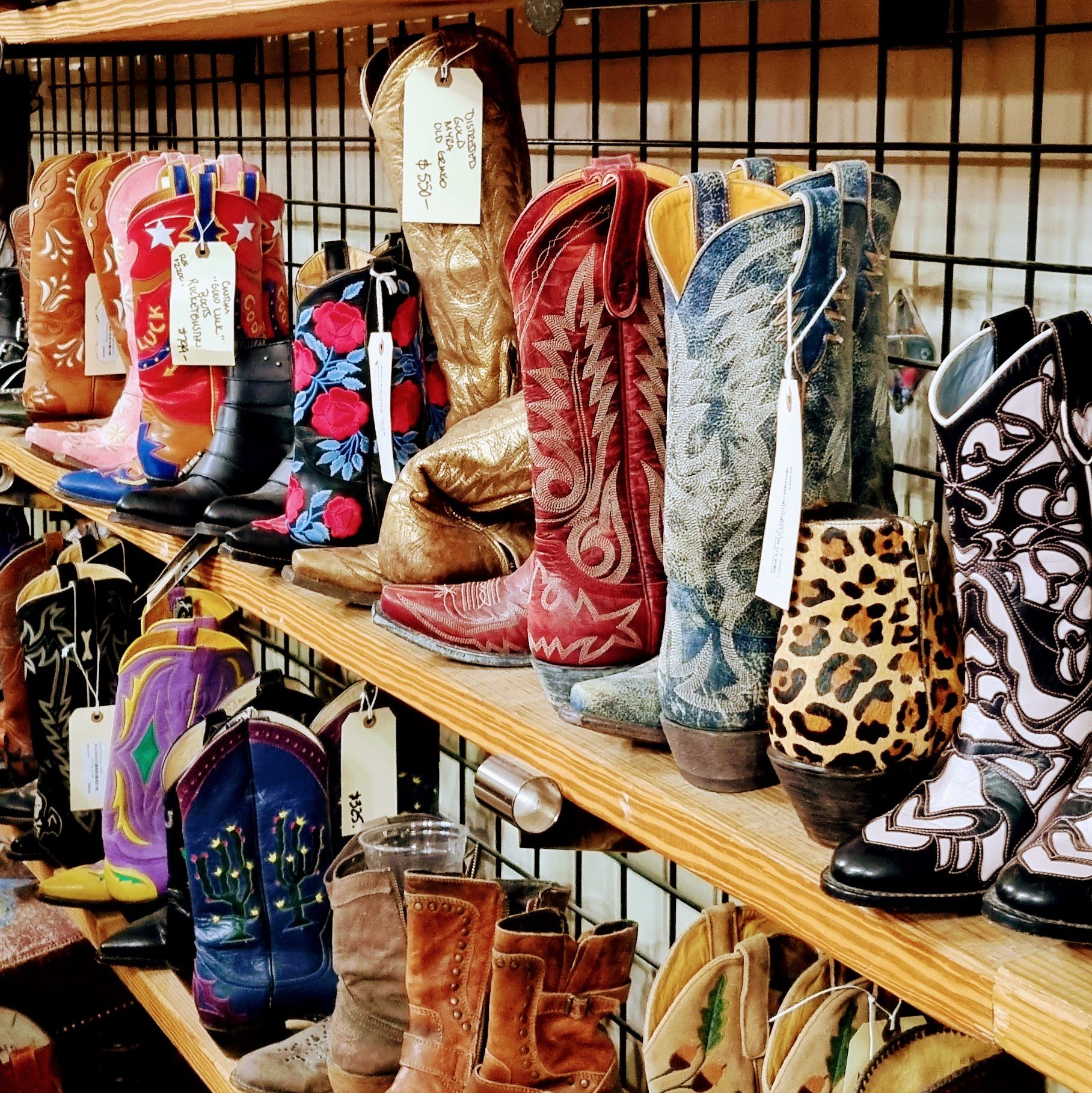
Shopping for cowboy boots in Austin is as much an experience as it is a purchase. The city is dotted with iconic boot shops that showcase the art and tradition behind this Texas staple. Along South Congress Avenue, you’ll find legendary spots like Allen’s Boots, where row after row of brightly coloured leather boots line the walls from floor to ceiling and there are some incredible designs. have a browse, try on a pair and snap a photo.

the iconic cowboy boot shopping

Experience Austin’s festive cocktail scene

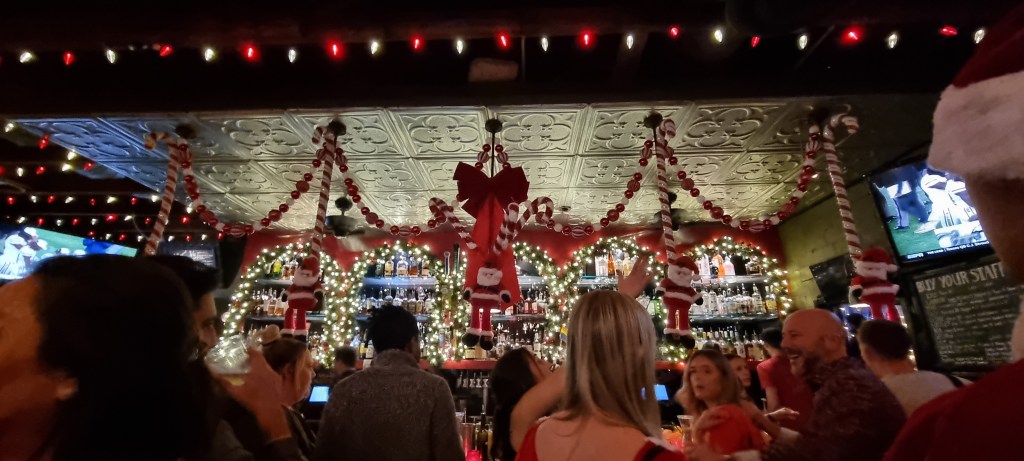
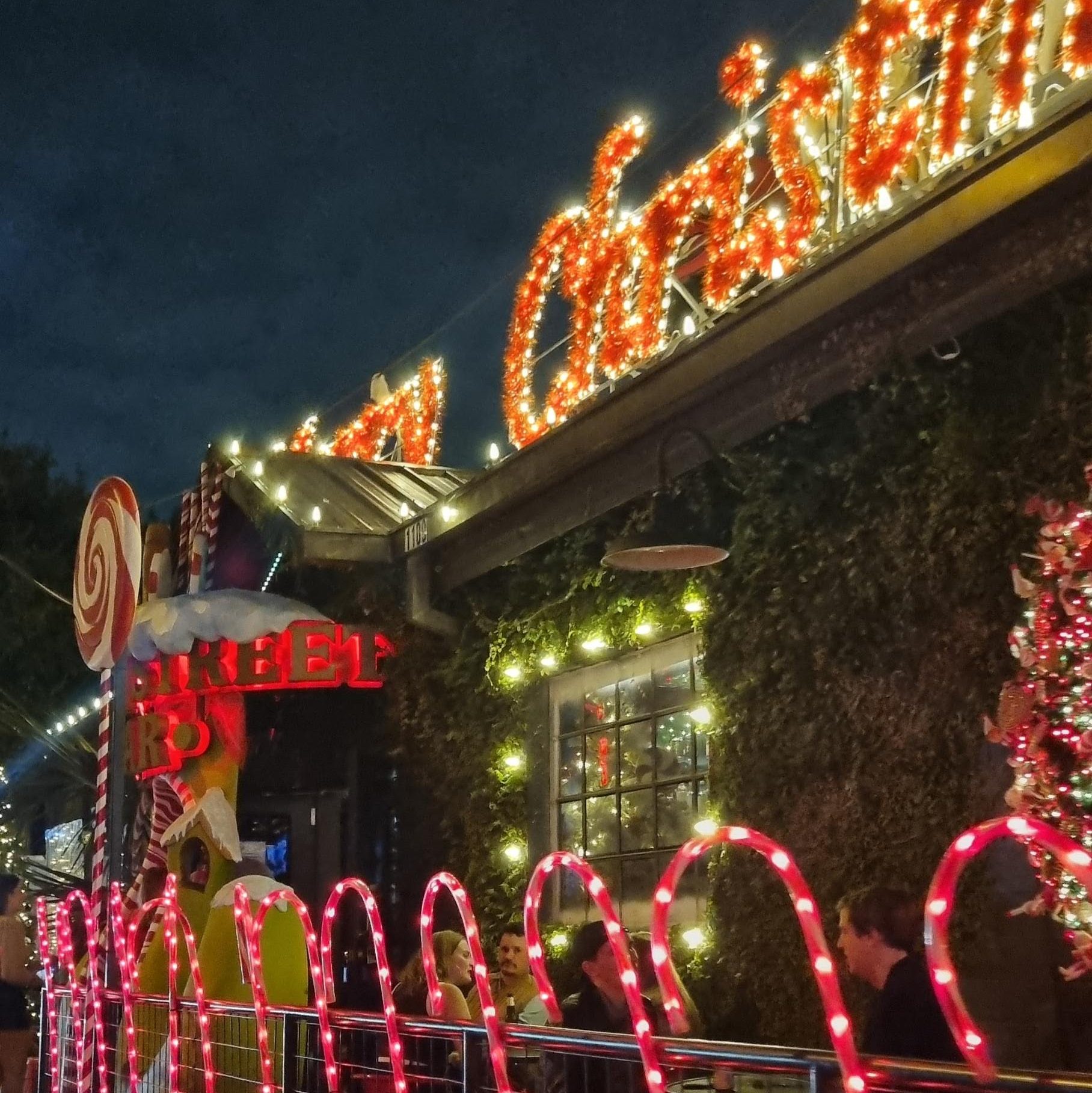
For a Brit, Austin in December can feel gloriously over the top—just like pretty much everything else in Texas. Bars seem to transform into glittering grottoes, with walls draped in tinsel, fairy lights blazing, and menus full of festive spiked eggnog, peppermint martinis, hot buttered rum, and Texas-style twists like cranberry margaritas or mezcal concoctions. It’s unapologetically over the top and delightfully ridiculous—but in the best possible way. Those of us used to more restrained celebrations back home may quietly judge the excess… but when in Texas, one learns that more tinsel and tequila is exactly the right answer.

Festive drinks in a local watering hole
All out Christmas decorations

Final thoughts

If you’re coming from the UK, December in Austin can feel a bit disorienting. Back home we’re usually ankle-deep in drizzle, clutching a lukewarm mulled wine, and pretending not to notice the damp creeping into our socks. In Austin, meanwhile, you’ll find yourself wandering light displays in a light jacket, swapping mince pies for breakfast tacos, and wondering if it’s socially acceptable to kayak in December. It all feels wonderfully festive—just with far fewer umbrellas and a lot more barbecue.

Discovering Greece: Our 2-Week Family Road Trip in April – from Athens to Kefalonia

Follow our travels on Instagram

In 2024, we spent the UK Easter holidays exploring Greece—a first for us as a family, and honestly, one of the best trips we’ve ever taken.

Travelling in April meant gorgeous spring weather, no crowds, and at times, having entire beaches in Kefalonia all to ourselves. It was the perfect blend of culture, coastlines, and ancient ruins—without the summer heat or prices

This trip was all about food, history, road trips, and stunning beaches. Here’s exactly how we did it:


Days 1–3: Athens & Day Trip to Piraeus

We kicked off our trip in Athens, spending three nights soaking up the city’s ancient sites and buzzing street life. We actually didn’t think we’d love Athens as much as we did but I think Athens is one of the best European capitals we’ve visited.

What we loved:

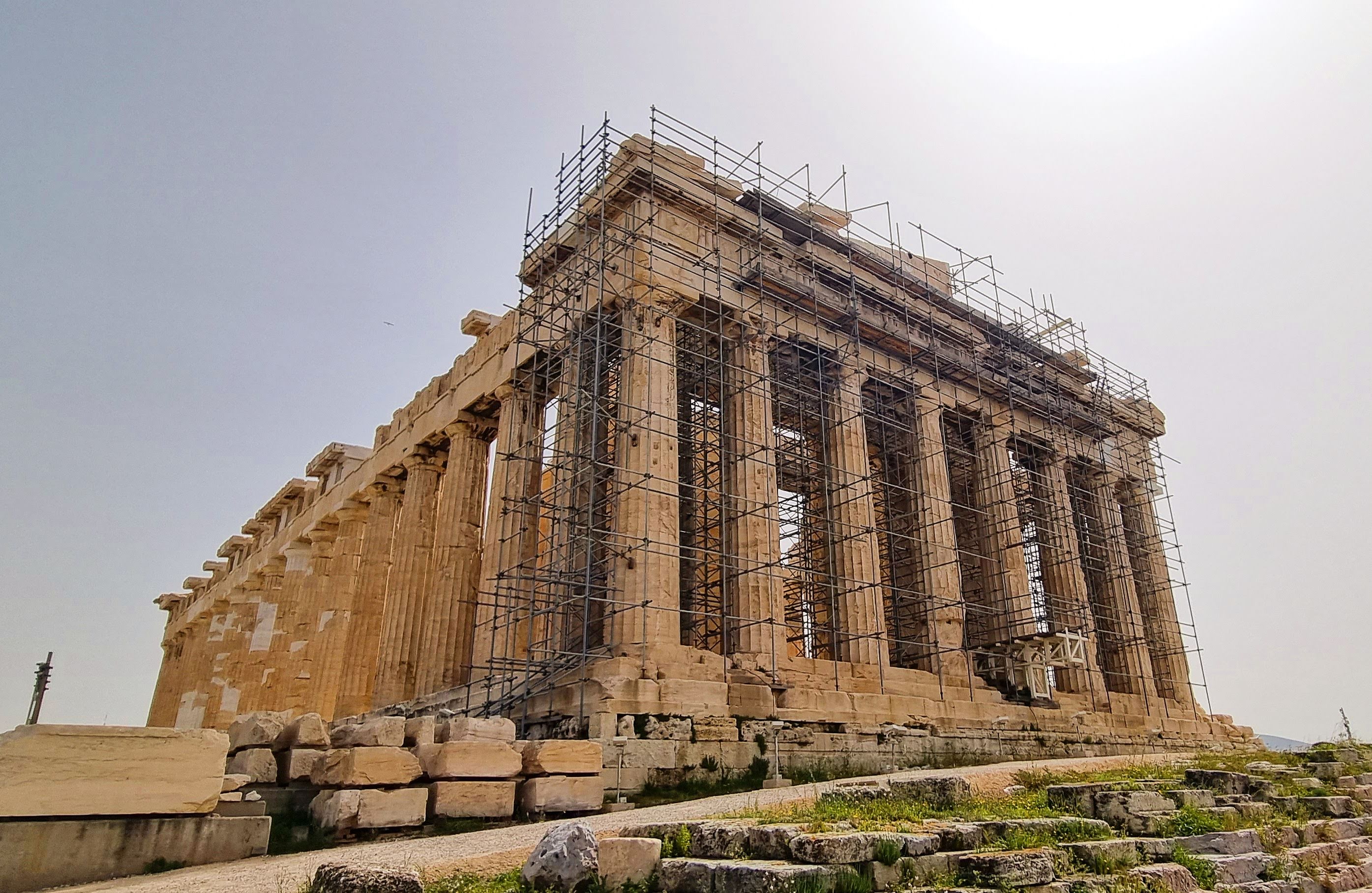
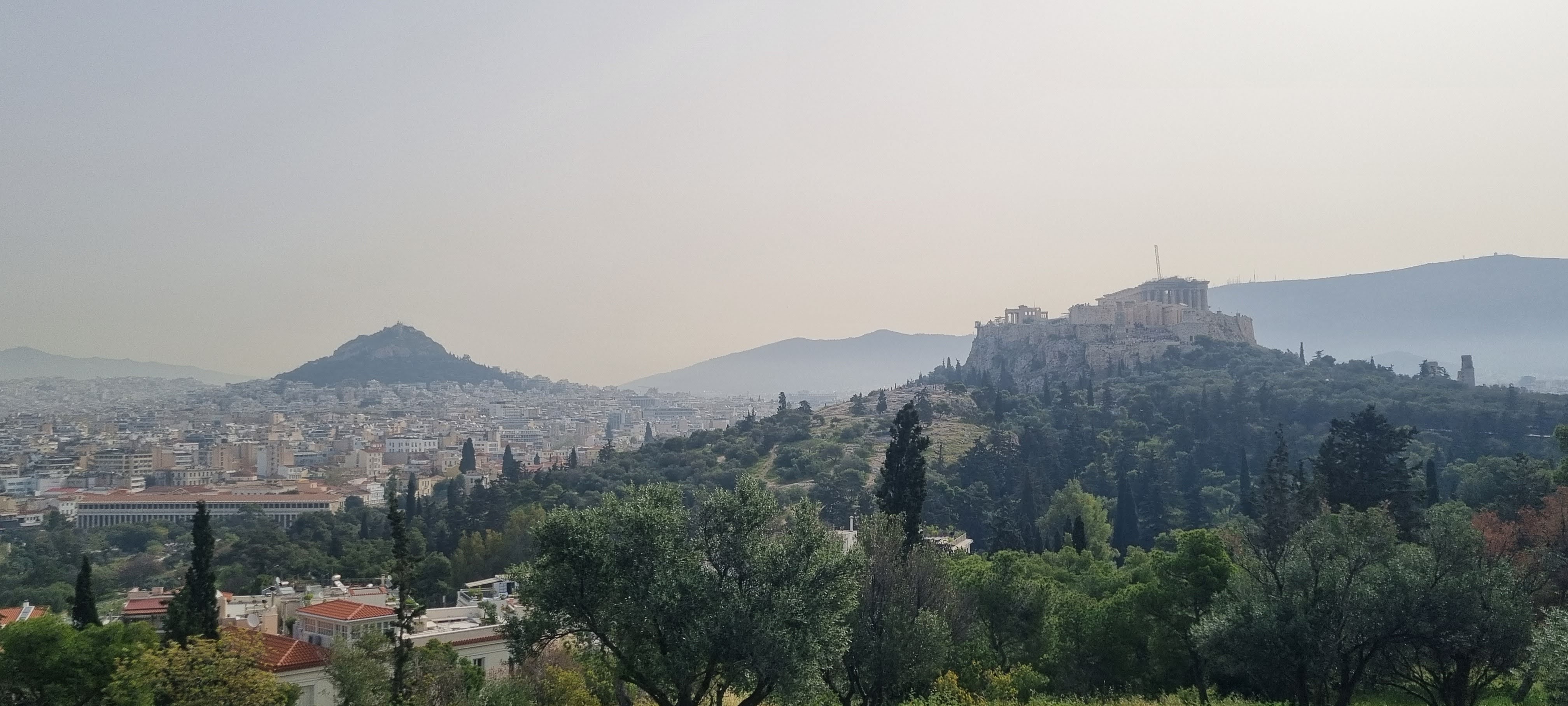
  • Climbing up to the Acropolis and standing in front of the Parthenon – busy at any time I think but it’s a must-do
  • Taking in the view of the Acropolis and the sensational sunset view from Philopappos Hill
  • The food. We found an incredible place to eat here. Everything on the menu is incredible, you sit on tables on the pavement, it feels a bit random, which is everything I love about being in different cities. It’s also ridiculously affordable, we went three times, ordered too much, ate it all, loved it. We also loved the gyros, obviously.

We also hopped on a short train ride to Piraeus, Athens’ historic port, for a chilled afternoon by the sea. I’m not sure we’d do this again but it was nice to get the train to the coast for a few hours. The train only took 30 mins and we got some delicious seafood for lunch.


Day 4: Temple of Poseidon at Cape Sounion

We picked up our hire car and cruised down the coast to Cape Sounion, home of the stunning Temple of Poseidon. We weren’t actually able to get into the temple for some reason so we climbed up the opposite hill to get a view from there. It was arguably better seeing from afar and obviously totally free!

We stayed nearby overnight and watched the sunset from the cliffs—absolutely worth it!


Days 5–7: Ancient Corinth & Nafplio

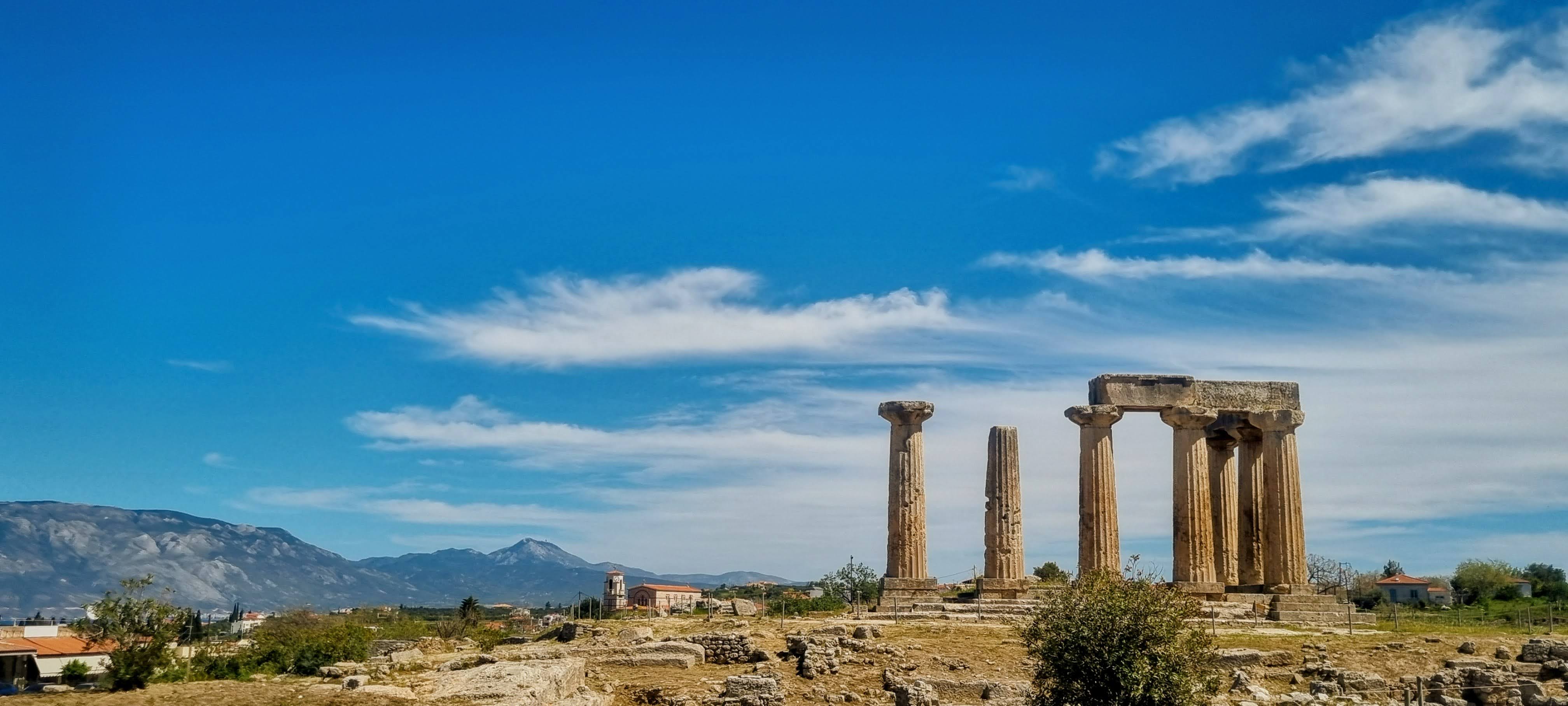
Driving west, we made a stop at Ancient Corinth to see the ruins and the Acrocorinth fortress—very Game of Thrones vibes. Little parenting hack…we didn’t actually go in to see the ruins as many are very visible from the outside. We did, however find a little park opposite the entrance and somewhere to buy ice creams. Sometimes you just have to admit defeat and go with the path of least resistance. As you can see below, though, it’s all pretty visible so we didn’t really miss seeing it.

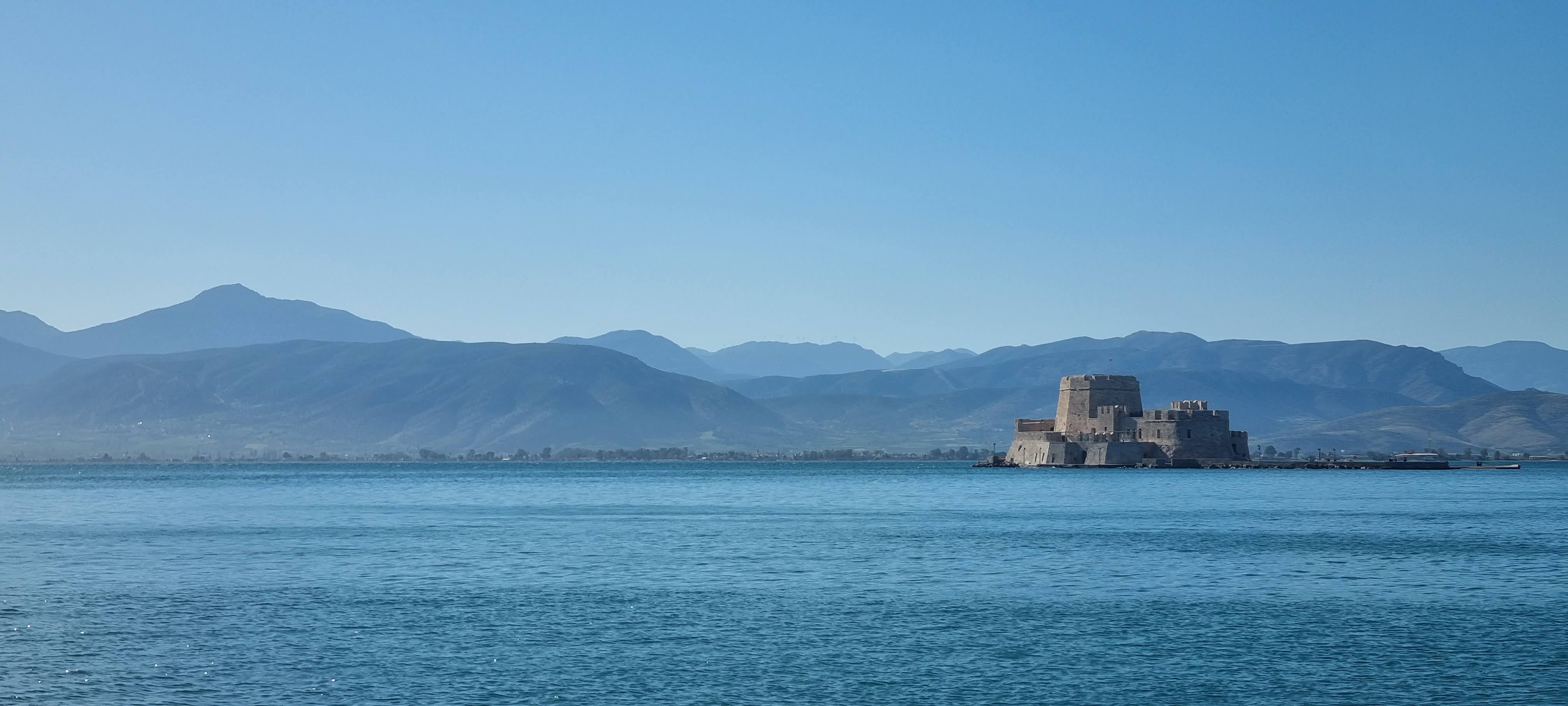
Then it was on to Nafplio, a gorgeous seaside town with Venetian charm. we LOVED it here. we had a really good place to stay and felt like the town had a really nice friendly, vibrant feel to it.

Nafplio Highlights:

  • Hike up to Palamidi Fortress for sweeping views
  • Meander through the Old Town
  • Enjoy a seafood dinner by the harbour
  • More gyros

Day Trip from Nafplio: Epidaurus

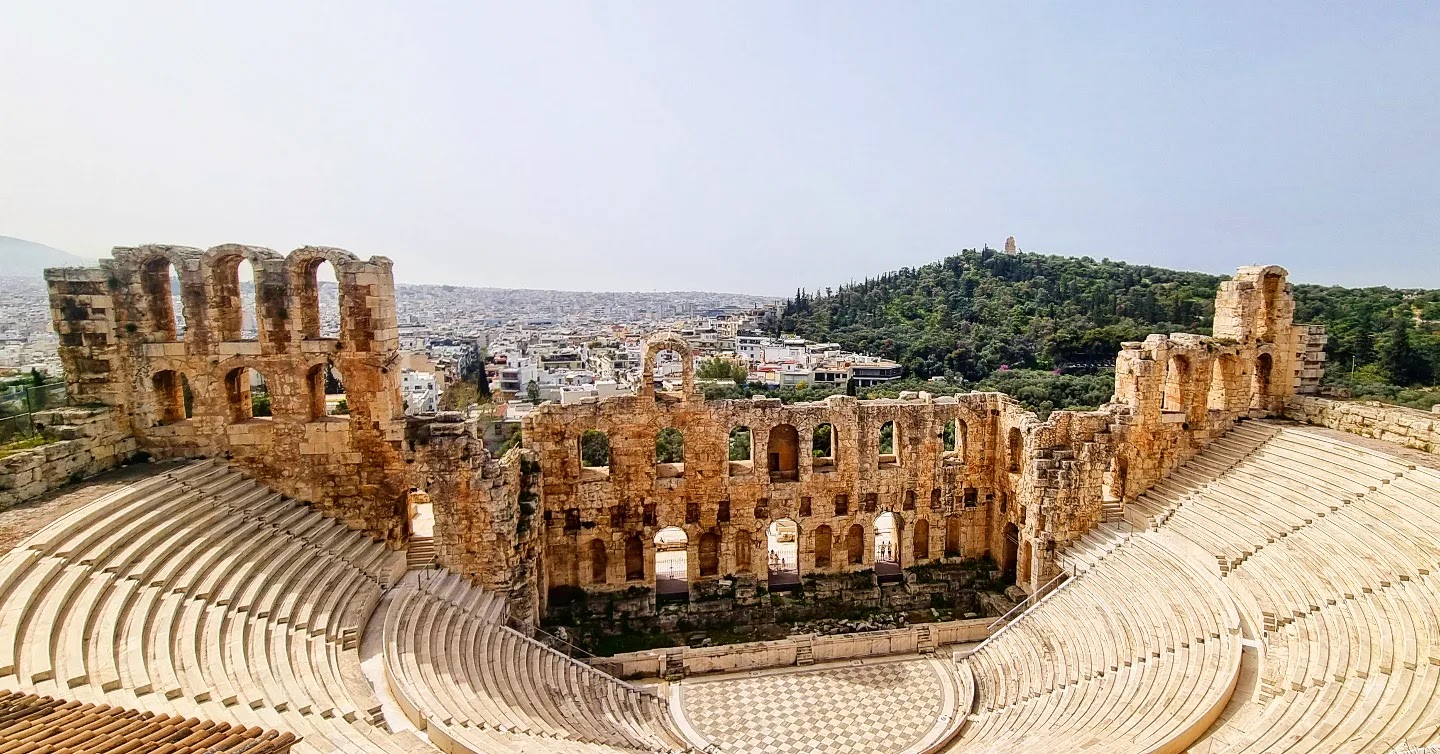
From Nafplio, we took a short drive to Epidaurus to visit its renowned ancient theatre. Still used for performances today, the theatre is especially famous for its incredible acoustics—you can hear someone speaking from the stage even in the highest seats. The structure is remarkably well preserved, and exploring it really gives you a sense of the scale and engineering of ancient Greek architecture. It was a great day trip and definitely worth the drive. The kids even enjoyed it!


Days 8–9: Kalamata, Mystras & Ancient Olympia

We continued down to Kalamata—not overly exciting but we wanted to see more of the Peloponnese and it made a great detor between Napflio and Ancient Olympia.

On the way we popped into Mystras, which was really beautiful and totally empty! It’s quite the hike uphill but really worth it. The views were incredible, I am partial to a good view.

We only stayed in Kalamata one night but then carried on up to Olympia. Olympia was predictably pretty busy but still worth a trip. I imagine it would be very hot and very crowded in summer but it was definitely worth it.


Days 10–13: Kefalonia – Beaches, Argostoli & Fiskardo

Time to hit the Ionian Islands! We booked ferry tickets through Direct Ferries about 3 days before sailing and headed to Kefalonia. I imagine you would need to book in advance during the summer months but in April it was almost empty and very easy to be flexible. We stayed in the biggest town on the island, Argostoli. As it was just before the tourist season started, we wanted to stay somewhere we knew would have shops and restaurants open.

Top Kefalonia Moments:

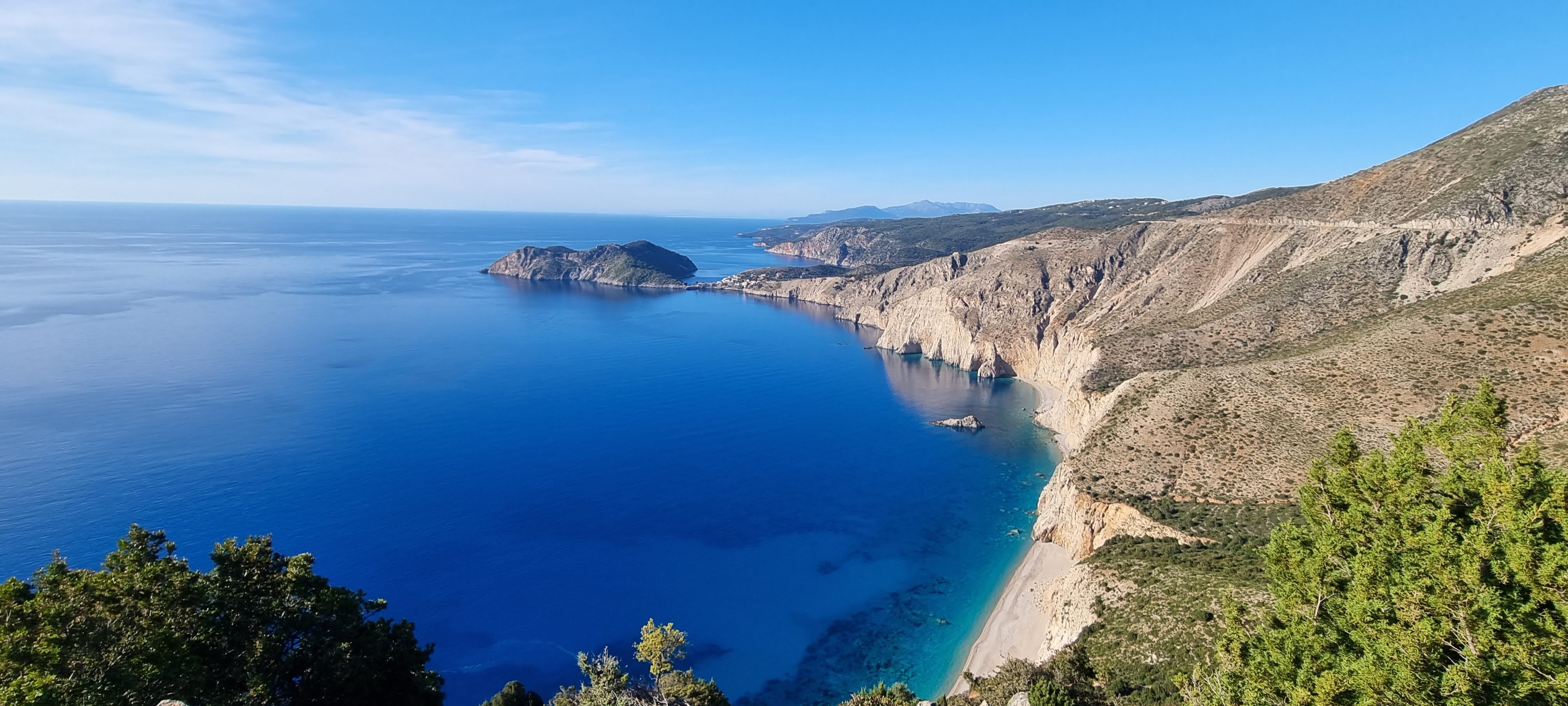
  • Myrtos Beach – Dramatic cliffs and turquoise waters
  • Antisamos – Secluded and stunning
  • Agia Kiriaki beach – deserted, remote and beautiful
  • Fiskardo – A lovely harbour village up north
  • Turtle spotting in Argostoli harbour

Having a car here was a must. We explored beaches, villages, and viewpoints without needing a plan. The roads were almost deserted so driving was very easy. It was stunning and, for us, a perfect time to visit. We really loved Kefalonia. The only previous trip to Greece I had only been on a package holiday to Crete in 1997 so I had no idea what the Greek islands were really like; now I can’t wait to explore more.


Final Stop: Delphi & Return to Athens

On our way back to Athens, we made one last stop in Delphi. It was more crowded than we expected, but it didn’t really matter. The setting is incredible—steep mountains and sweeping, stunning views. Walking among the ruins, as cheesy as it sounds, you can really feel the history.

For all of the ancient sites, there is a different price for EU and non-EU and the difference s quite significant, especially when paying for five people. Another reason to hate Brexit.

Final thoughts on our Greek road trip

This trip was one of those rare ones that just worked—for all of us. Greece in April was a dream: warm enough for beaches, cool enough for sightseeing, and quiet enough that we never felt rushed or overwhelmed. Travelling with kids can be unpredictable, but Greece made it easy. There was space to slow down, plenty of flexibility, and so many “wow” moments—from ancient ruins to turtle spotting to spontaneous beach stops.

Having a car gave us the freedom to explore at our own pace (and change plans when needed), and the variety—from the culture and history of Athens to the laid-back island vibe of Kefalonia—meant everyone found something they loved. If you’re a family looking for a mix of adventure, education, and relaxation—without the chaos or high prices of peak season—Greece in spring might just be your perfect trip, too

Five Months Family Backpacking in Asia

How We Did It, What We Learned, and Why You Can Too

Follow our travels on instagram

In 2022, our family pressed pause on everyday life to embark on an unforgettable five-month backpacking adventure across Asia with our three children. We left our jobs, took the kids out of school, rented out our house, and swapped daily routines for street food, tuk-tuks, and adventure.

From exploring ancient temples in Cambodia to hiking volcanoes in Indonesia, and from the bustling street markets of Vietnam to the tranquil beaches of Sri Lanka, this journey was more than a holiday—it was a life-changing family travel experience filled with learning, growth, and connection.

Whether you’re dreaming of long-term family travel in Asia or wondering how to make it happen, here’s everything we learned after five incredible months of travelling Asia with kids.

How We Balanced Family Travel and Education

One of our biggest concerns before leaving was how the children’s education would be affected. Taking them out of school for five months felt risky, but the reality was different. Travel became their classroom—immersive, hands-on, and full of real-world lessons. Our children didn’t just read about history or geography—they experienced it first-hand. They learned to surf, scuba dive and swim (for Charlotte who was just 5), they saw wildlife beyond anything they could’ve imagined, they saw the devastating impact of palm oil plantations, learnt about the 2005 tsunami in Banda Aceh, experienced history and religion through visiting temples, mosques and hearing the call to prayer, learnt new languages, used different currencies and experiences a vast array of different foods.

Countries Explored on Our Asian Family Backpacking Trip

Our itinerary included:

  • Thailand
  • Cambodia
  • Indonesia
  • Malaysia
  • South Korea
  • Vietnam
  • Sri Lanka

Each destination offered unique cultural experiences, breathtaking landscapes, delicious local cuisine, and countless unforgettable moments. From temple-hopping in Cambodia to watching sunrises over Indonesian volcanoes, every day was a new adventure. Of course there were things that didn’t go quite to plan (not that we had much of a plan) but embracing the flexibility of lack of organisation meant that we were able to adapt and some of these have become some of our best stories.

More than just a trip, it was a chance to reconnect and see the world (and each other) in a whole new way. The kids learned more in those five months than they ever could have from textbooks—and so did we.

Here are some of our takeaways from the whole process of planning our trip and spending 5 months travelling it!

Why Long-Term Family Travel in Asia is Possible for You

Many people told us, “Wow, it’s incredible you did that!” Our answer: you can do it too.

You don’t need to travel non-stop like we did to have a transformative experience. Even shorter or slower trips can provide fresh perspectives and strengthen family bonds.

If you’re a working parent in the UK, remember you can take up to up to 4 weeks of unpaid parental leave per child per year?, a great opportunity to travel without leaving your job.

We funded our trip partly by renting our home on Airbnb and borrowing against our house. While we didn’t earn money on the road, many families work remotely nowadays, making long-term travel even more feasible.

The bottom line? If this has been on your mind—even as a distant “maybe one day” dream—it’s more doable than you think.

Flexibility: The Key to Successful Family Backpacking in Asia

We’re not exactly known for our planning skills—which, sure, can make things a bit chaotic—but it also means we’re pretty good at rolling with the punches. We kicked off our trip with nothing more than a one-way ticket to Bangkok and a couple of nights booked at a hotel. Luckily, Thailand is perfect for spontaneous travellers—there’s always a bus leaving tomorrow, and last-minute plans are expected. That flexibility quickly became more than just convenient; it turned into a survival skill. When we landed in the Philippines, we found out a tropical cyclone was heading straight for us. Twenty-four hours later? We were sipping soju in South Korea, diving headfirst into an incredible (and completely unplanned) two-week adventure.

Planning a five-month trip in detail? For us, it’s impossible. The places you expect to breeze through often capture your heart, while those picture-perfect beaches you dreamed of might fall short. But if you give yourself the freedom to change course along the way, you’ll stumble upon unexpected gems—people, places, and meals you never imagined you’d find.

How Our Kids Adapted to Long-Term Travel and Schooling

I was really anxious about taking the kids away for five months, especially with the huge disruption to their schooling and social lives. I worried about how they’d handle the change, how they’d fall behind in school, and whether they’d struggle with feeling isolated from their friends and familiar routines. I kept imagining them feeling homesick or out of place, unsure of how to adjust. But as it turns out, they were totally fine. They adapted so well to the new environments, making connections easily and approaching it with curiosity. Their resilience amazed me, and I realised that sometimes we overestimate the emotional weight of change, only to find that kids are incredibly adaptable when given the right support.

What is Worldschooling? How We Learned Through Travel

I’m not a fan of the word but I really do believe in the philosophy around worldschooling. Worldschooling is an approach to education rooted in curiosity, flexibility, and firsthand experience. Instead of confining learning to a classroom, it allows the world itself to become the curriculum. Our kids studied ancient history by walking through the ruins of Angkor Wat, learnt about ecology by observing wildlife in the wild as well as learning to to snorkel, swim and scuba dive. It’s not about escaping structure but about reimagining it—learning maths through budgeting travel, empathy and tolerance through cross-cultural connection. Worldschooling doesn’t promise a perfect education, but it offers a living one—where lessons aren’t just absorbed, they’re lived.

Final Thoughts on Family Backpacking in Asia

If you’ve been dreaming of family backpacking trips in Asia or wondering how to balance travel with parenting and education, know this: it’s more possible than you think.

With an open mind, flexibility, and a bit of planning, your family can create unforgettable memories, learn together, and see the world from a new perspective.

Five Months Family Backpacking in Asia

How We Did It, What We Learned, and Why You Can Too

In 2022, our family pressed pause on everyday life to embark on an unforgettable five-month backpacking adventure across Asia with our three children. We left our jobs, took the kids out of school, rented out our house, and swapped daily routines for street food, tuk-tuks, and adventure.

From exploring ancient temples in Cambodia to hiking volcanoes in Indonesia, and from the bustling street markets of Vietnam to the tranquil beaches of Sri Lanka, this journey was more than a holiday—it was a life-changing family travel experience filled with learning, growth, and connection.

Whether you’re dreaming of long-term family travel in Asia or wondering how to make it happen, here’s everything we learned after five incredible months of travelling Asia with kids.

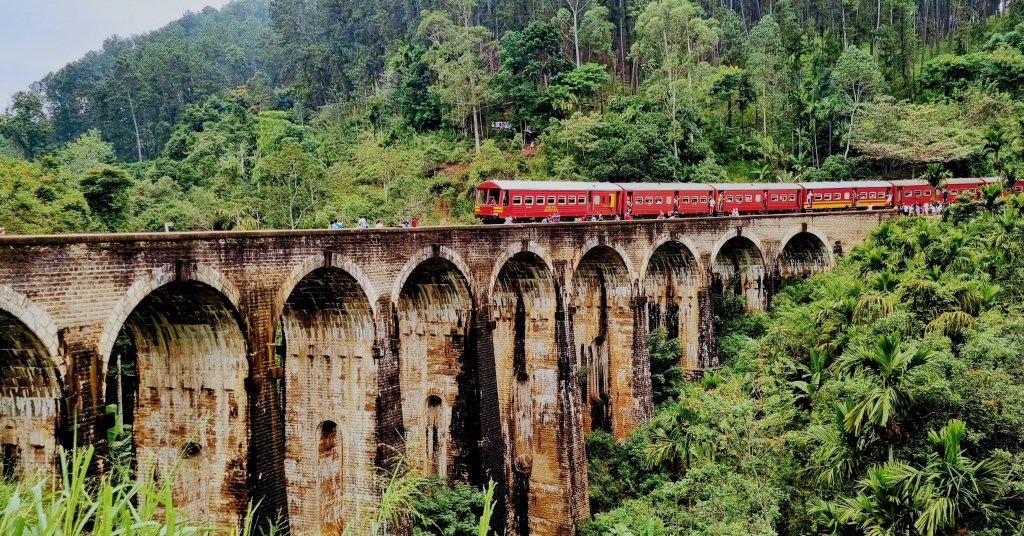
Train on the Nine Arch Bridge, Sri Lanka

How We Balanced Family Travel and Education

One of our biggest concerns before leaving was how the children’s education would be affected. Taking them out of school for five months felt risky, but the reality was different. Travel became their classroom—immersive, hands-on, and full of real-world lessons. Our children didn’t just read about history or geography—they experienced it first-hand. They learned to surf, scuba dive and swim (for Charlotte who was just 5), they saw wildlife beyond anything they could’ve imagined, they saw the devastating impact of palm oil plantations, learnt about the 2004 tsunami in Banda Aceh, experienced history and religion through visiting temples, mosques and hearing the call to prayer, learnt new languages, used different currencies and experiences a vast array of different foods.

A boat on top of a house from the 2004 tsunami in Sumatra

Countries Explored on Our Asian Family Backpacking Trip

Our itinerary included:

  • Thailand
  • Cambodia
  • Indonesia
  • Malaysia
  • South Korea
  • Vietnam
  • Sri Lanka

Each destination offered unique cultural experiences, breathtaking landscapes, delicious local cuisine, and countless unforgettable moments. From temple-hopping in Cambodia to watching sunrises over Indonesian volcanoes, every day was a new adventure. Of course there were things that didn’t go quite to plan (not that we had much of a plan) but embracing the flexibility of lack of organisation meant that we were able to adapt and some of these have become some of our best stories.

More than just a trip, it was a chance to reconnect and see the world (and each other) in a whole new way. The kids learned more in those five months than they ever could have from textbooks—and so did we.

Here are some of our takeaways from the whole process of planning our trip and spending 5 months travelling it!

Street smoothies in Hanoi

Why Long-Term Family Travel in Asia is Possible for You

Many people told us, “Wow, it’s incredible you did that!” Our answer: you can do it too.

You don’t need to travel non-stop like we did to have a transformative experience. Even shorter or slower trips can provide fresh perspectives and can be incredible, life changing experiences.

If you’re a working parent in the UK, remember you can take up to up to 4 weeks of unpaid parental leave per child per year?, a great opportunity to travel without leaving your job.

We funded our trip partly by renting our home on Airbnb and borrowing against our house. While we didn’t earn money on the road, many families work remotely nowadays, making long-term travel even more feasible.

The bottom line? If this has been on your mind—even as a distant “maybe one day” dream—it’s more doable than you think.

Flexibility: The Key to Successful Family Backpacking in Asia

We’re not exactly known for our planning skills—which, sure, can make things a bit chaotic—but it also means we’re pretty good at rolling with the punches. We kicked off our trip with nothing more than a one-way ticket to Bangkok and a couple of nights booked at a hotel. Luckily, Thailand is perfect for spontaneous travellers—there’s always a bus leaving tomorrow, and last-minute plans are expected. That flexibility quickly became more than just convenient; it turned into a survival skill. When we landed in the Philippines, we found out a tropical cyclone was heading straight for us. Twenty-four hours later? We were sipping soju in South Korea, diving headfirst into an incredible (and completely unplanned) two-week adventure.

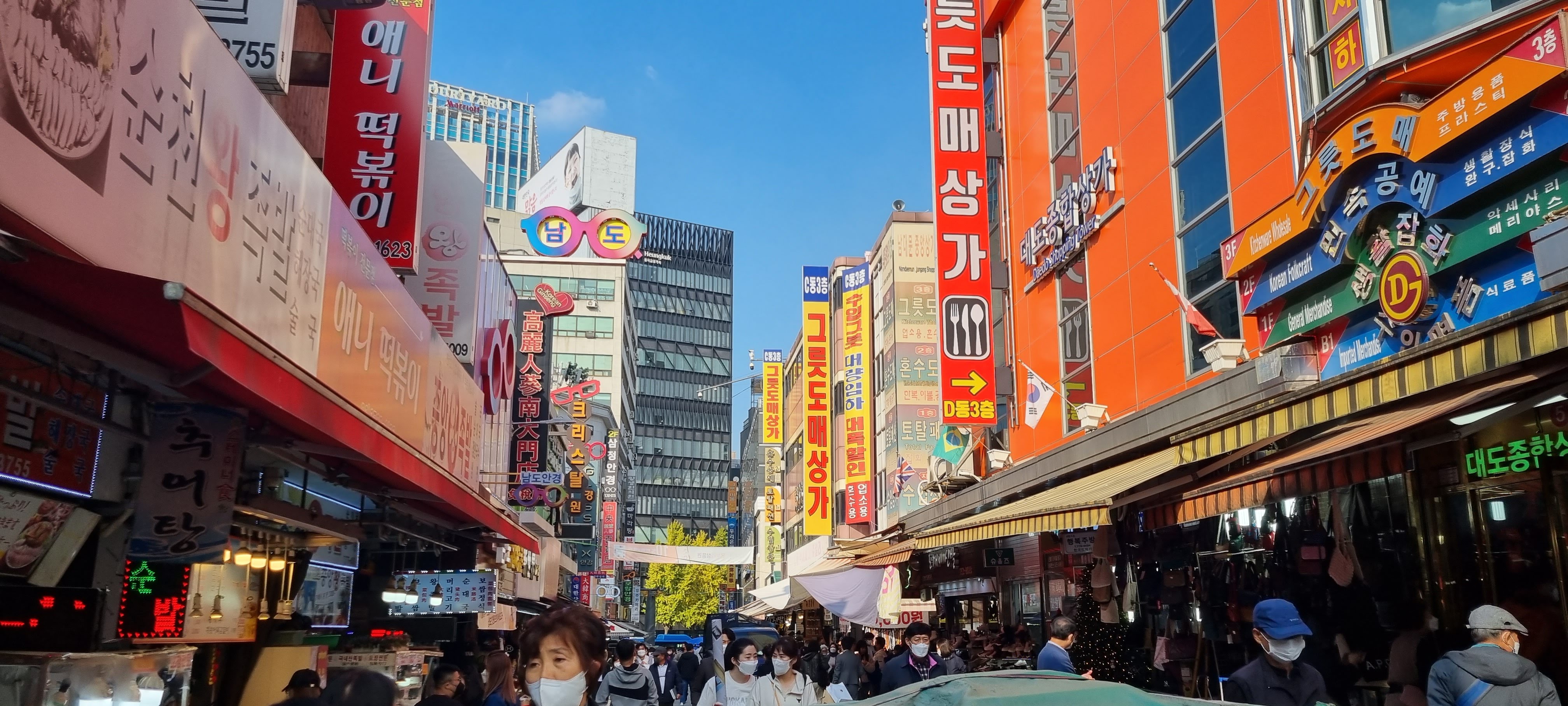
Old and new Suwon, Korea

Planning a five-month trip in detail? For us, it’s impossible. The places you expect to breeze through often capture your heart, while those picture-perfect beaches you dreamed of might fall short. But if you give yourself the freedom to change course along the way, you’ll stumble upon unexpected gems—people, places, and meals you never imagined you’d find.

How Our Kids Adapted to Long-Term Travel and Schooling

I was really anxious about taking the kids away for five months, especially with the huge disruption to their schooling and social lives. I worried about how they’d handle the change, how they’d fall behind in school, and whether they’d struggle with feeling isolated from their friends and familiar routines. I kept imagining them feeling homesick or out of place, unsure of how to adjust. But as it turns out, they were totally fine. They adapted so well to the new environments, making connections easily and approaching it with curiosity. Their resilience amazed me, and I realised that sometimes we overestimate the emotional weight of change, only to find that kids are incredibly adaptable when given the right support.

What is Worldschooling? How We Learned Through Travel

I’m not a fan of the word but I really do believe in the philosophy around worldschooling. Worldschooling is an approach to education rooted in curiosity, flexibility, and firsthand experience. Instead of confining learning to a classroom, it allows the world itself to become the curriculum. Our kids studied ancient history by walking through the ruins of Angkor Wat, learnt about ecology by observing wildlife in the wild as well as learning to to snorkel, swim and scuba dive. It’s not about escaping structure but about reimagining it—learning maths through budgeting travel, empathy and tolerance through cross-cultural connection. Worldschooling doesn’t promise a perfect education, but it offers a living one—where lessons aren’t just absorbed, they’re lived.

Wandering the streets of Seoul, Korea

Final Thoughts on Family Backpacking in Asia

If you’ve been dreaming of family backpacking trips in Asia or wondering how to balance travel with parenting and education, know this: it’s more possible than you think.

With an open mind, flexibility, and a bit of planning, your family can create unforgettable memories, learn together, and see the world from a new perspective.

Family Adventures in Sri Lanka: Wildlife, Surfing, and Travel Tips

Follow our travels on Instagram

Explore our family’s journey through Sri Lanka, featuring dolphin watching, surfing lessons, and essential travel advice for parents.

Sri Lanka might be small, but it packs an unbelievable punch — and honestly, it’s easily one of the best places we’ve ever visited. If you’re thinking about taking kids, do it! It’s such a brilliant family destination.

We spent a month there in November/December. Since it was our first trip (with many more to come, I’m sure!), we decided to follow the classic tourist trail… mostly. We skipped a few of the usual stops — like Yala National Park — and threw in a few adventures of our own, like dolphin watching in Kalpitiya (highly recommend!).

It was one of those trips that sticks with you — colourful, exciting, full of moments that we still talk about all the time. So here is an overview of what we think are Sri Lankan highlights and key things to consider when visiting.

Top Wildlife Experiences in Sri Lanka

Sri Lanka feels like one vast, open-air wildlife sanctuary—everywhere you turn, there’s a new opportunity to experience nature up close. During our trip, we went dolphin spotting, whale watching, and even ventured out on two unforgettable safaris.

One of the absolute highlights was watching spinner dolphins off the coast of Kalpitiya. The water was calm, the boats were few, and it felt like we had the ocean to ourselves. We were surrounded by hundreds of these playful dolphins—it was magical, and best of all, it didn’t feel intrusive or rushed. We arranged this through the hotel we were staying at and had the boat completely to ourselves.

We visited two national parks during our trip: Wilpattu and Minneriya. In Wilpattu, we were fortunate to spot a sloth bear, a leopard, and several elephants. However, the full-day safari proved to be quite long, and we decided we’d probably opt for shorter safaris in the future. At Minneriya, we took an evening safari from Sigiriya and were amazed to see hundreds of elephants. The experience was peaceful, quiet, and truly beautiful — we had the rare privilege of watching the elephants with no one else around. Later, I read that this wasn’t even the peak season for elephant sightings in Minneriya, which made us feel even luckier to witness so many in such a serene setting.

While in Mirissa, we went on a whale watching tour and were thrilled to spot a blue whale — the largest animal on the planet. Sri Lanka is considered one of the top destinations in the world for blue whale watching, especially off the southern coast near Mirissa, where sightings are common during the season.

Surfing Lessons for Kids: What to Expect

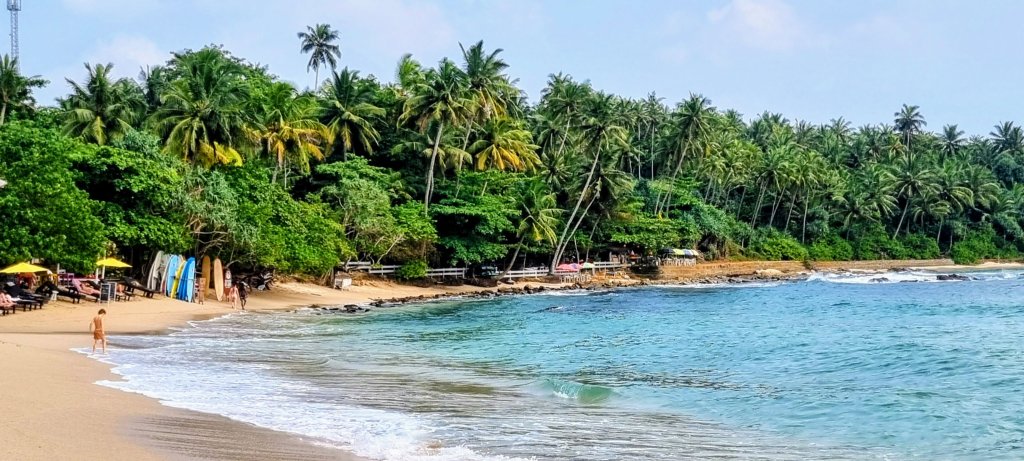
This was an absolute highlight for our kids, who had surfing lessons every day for two weeks—and loved every minute of it. The sea is warm, the conditions are generally safe, and the lessons are surprisingly affordable. We simply walked down to the beach and found local surf huts offering sessions, which worked perfectly in both Hiriketiya and Weligama.

That said, sea conditions can vary with the seasons, so it’s worth considering the time of year, especially if you’re travelling with younger children (ours were 8 and 10). Out of season, the waves can be rougher, making it less suitable for kids.

Be aware of the weather

During the UK summer months, the west and south of Sri Lanka—popular tourist destinations—experience their monsoon season. When we visited in November and December, we did encounter some rain, but also enjoyed stretches of beautiful weather in these regions. In contrast, the north and east typically have better weather during the UK summer. It’s something to keep in mind if you’re planning a beach holiday, as the weather and sea conditions can affect your experience during these seasonal shifts.

Navigating Sri Lanka Without a Private Driver

I often see hundreds of posts asking whether it’s necessary to hire a driver when travelling around Sri Lanka. From our experience, we chose not to—and I genuinely don’t think it’s essential, or even the best way to explore the country. While many travellers were arriving at hotels in air-conditioned cars, driven from one destination to the next, we felt that approach missed one of the most rewarding aspects of travel: real connection with the place and how it functions. Of course, many people go with this option for ease but if you’re wondering if you need it, you don’t.

We did use taxis arranged through hotels when there were no other options, but wherever possible, we opted for tuk-tuks, trains, and buses. We always try to use public transport when we travel, as it offers a glimpse into everyday life that you simply don’t get from behind tinted windows. Booking tickets was usually straightforward— for the buses we just turned up and for the trains, most of the time we just turned up at the station, but for busier routes, we booked in advance here.

Sri Lanka offered our family a memorable blend of adventure, culture, and relaxation. From spotting dolphins in Kalpitiya to daily surf lessons along the southern coast, each stop brought something new without feeling rushed. Travelling without a private driver gave us the flexibility to explore at our own pace and connect more closely with local life. With its varied landscapes, welcoming communities, and family-friendly experiences, Sri Lanka proved to be an exciting yet accessible destination – one we’d happily recommend to other families looking for something a little different.

Essential Albania Travel Tips: Currency, Driving, SIM Cards & More

Follow our travels on Instagram

Planning a trip to Albania? Here’s everything you need to know before you go—from currency exchange and border crossings to mobile SIM cards, car rentals, and driving laws. This guide will help you travel with confidence and avoid surprises.

1. Currency and Payments in Albania

While using a card is sometimes possible, it’s highly unreliable and definitely not something you can count on. We had to pay for petrol with cash more than once, and I wasn’t able to use my phone at all

You can’t get Albanian Lek outside of Albania as it’s a closed currency, and once you leave the country, it’s difficult—if not impossible—to exchange it back to your home currency. Euros, however, are widely accepted, so I recommend bringing cash in euros and exchanging it at the airport upon arrival. At the time of writing, the exchange rate was around 1 euro to 100 Lek, and that rate stayed fairly consistent.

On top of that, withdrawing cash in Albania is more expensive than anywhere else we’ve travelled. If you do need to take out cash, never accept the bank’s offered exchange rate. You’ll usually be given the option—just press ‘No’ to decline their rate. This tip can save you money almost anywhere, but we found it especially important in Albania.

2. Driving in Albania: What You Need to Know

You might hear that driving in Albania is risky, but that wasn’t our experience at all. While city traffic can be a bit hectic and requires your full attention, once you’re beyond the urban centres, the roads are generally calm and easy to navigate. Renting a car is straightforward, with plenty of options available right at the airport.

We paid around €410 for a two-week hire car, which included an additional €23.50 per day for comprehensive “no-questions-asked” insurance. We chose this extra coverage after hearing some warnings about driving conditions—but in the end, we never needed it. Still, the peace of mind it provided was well worth it.

3. Border Crossings and Documentation

You will need the permission of the hire car company to cross into any of the countries bordering Albania. It’s straightforward to do, but at the border they will ask for your car paperwork and you will need proof of permission. It was €50 (included in the price mentioned above). At the border with Montenegro you will also need a green card for your car (€15, slightly more in Lek). You can get it there and it’s very simple. Border crossings are not a hassle but they do take a bit of time.

4. Staying Connected: SIM Cards and Mobile Data

We do this everywhere we go now. It is hassle free and makes so much difference to us on a practical level. As Albania is not in the EU, those coming from the UK (like us) generally will not have it included in their existing data package. We just get them at the airport and it was around €25 for 40gb.

5. Safety and Law Enforcement Presence

We didn’t get stopped at all on the roads and there’s no reason why you should have any problems, but the police were definitely a presence and usually stopping people for speeding. If people flash you or gesture to you when you’re driving, it is likely there are police ahead. Keep to the speed limits, carry all the documentation you need and you’ll be fine.

6. Fuel Costs and Availability

Petrol was noticeably expensive compared to other local prices — likely on par with, if not slightly more than, what you’d pay in the UK, where it’s already considered costly. There were plenty of petrol stations around, but it’s worth noting that some, especially in more rural areas, only accepted cash.

7. Don’t always believe Google maps

Google maps took us some very strange ways at times. We use the Maps app all the time and usually it is fine but if your instinct in telling you to not go up that very narrow cobbled road when you’re looking to go downhill and onto the main road, consider going with your gut.

8. The vegetarian scene is limited

We have several vegetarians in our family, and while we were able to find something to eat, the choices were definitely limited. Let’s just say it’s a good thing we enjoy margarita pizza, Greek salad, and vegetarian souvlaki — because those ended up being our go-to meals more often than not! Not that I’m complaining, I could live on souvlaki.

Albania is a country full of surprises—rich in culture, natural beauty, and warm hospitality. While some aspects of travel here may differ from other European destinations, being prepared with the right information can make your experience not only smoother but far more enjoyable. From navigating border crossings and understanding local currency to staying connected and safe on the roads, these practical tips are designed to help you travel Albania with confidence. Whether you’re road-tripping through the mountains, exploring coastal towns, or just passing through, a little preparation goes a long way in making the most of your Albanian adventure.

Top Family Adventures in Indonesia: Highlights from Our Journey

Follow our travels on Instagram

Some of the experiences we’re calling “highlights” might seem a little unconventional—but stick with me! Indonesia, with its breathtakingly diverse landscapes and rich cultural tapestry, offers endless adventures for families. Over two unforgettable months, we explored everything from misty volcanic peaks to tranquil island beaches, encountering surprises and moments of wonder at every turn. This beautiful country treated us to an incredible range of experiences—some expected, others completely unexpected—all of them memorable.

1. Mount Bromo at Sunrise

Indonesia is just one of those places that constantly takes your breath away, and Mount Bromo was no exception. Watching the sunrise over the volcano was absolutely surreal—one of those moments that makes you stop and go, Wow, is this even real? It’s hands down one of my favourite memories from the trip.

2. Swimming with Turtles in the Gili Isles

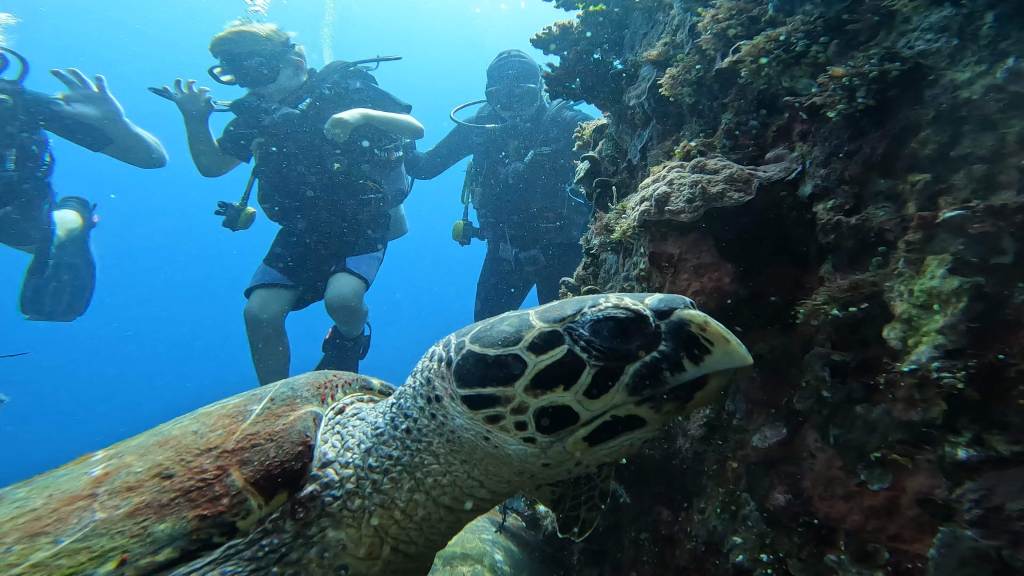
This really was a highlight and an unforgettable. No tour or boat, just walk into the water from the shore and soon enough we found several turtles. The kids were totally mesmerised, as were we. If you venture to the Gili isles then this really is worth seeing.

3. Scuba Diving in Northern Bali

Years ago, before kids, I did a wreck dive in Northern Bali, and I’d always wanted to go back. This time, my 10-year-old got to experience it too! Northern Bali is way more chilled out than the south—no crowds, no chaos, just incredible diving. We spotted turtles, sharks, and had the whole underwater world almost to ourselves.

4. Karimunjawa

I hesitate to even mention this place because it’s such a hidden gem. Seriously, it’s paradise—untouched, pristine, and barely touched by tourism. The journey there is a bit rough (yes, they hand out sick bags on the ferry), but it’s beyond worth it. We rented mopeds and explored the island, and it was stunning. There’s not a ton to do in terms of tourist attractions, but that was kind of the point—it was just raw, natural beauty.

5. Seeing Banda Aceh

Visiting Banda Aceh was one of the most moving and educational parts of our journey. It’s a place forever marked by the 2004 tsunami, and standing in a city that has so visibly rebuilt itself from such devastation was both humbling and inspiring. We visited the tsunami museum and saw the boats carried inland by the waves—a powerful reminder of nature’s force and human resilience. For all of us, especially the kids, it was a chance to learn about the disaster not just through facts and figures, but through stories, memorials, and the strength of the local people. It sparked important conversations about natural disasters, global response, and the courage it takes to rebuild, turning a distant headline into something deeply real and human.

6. Bukit Lawang

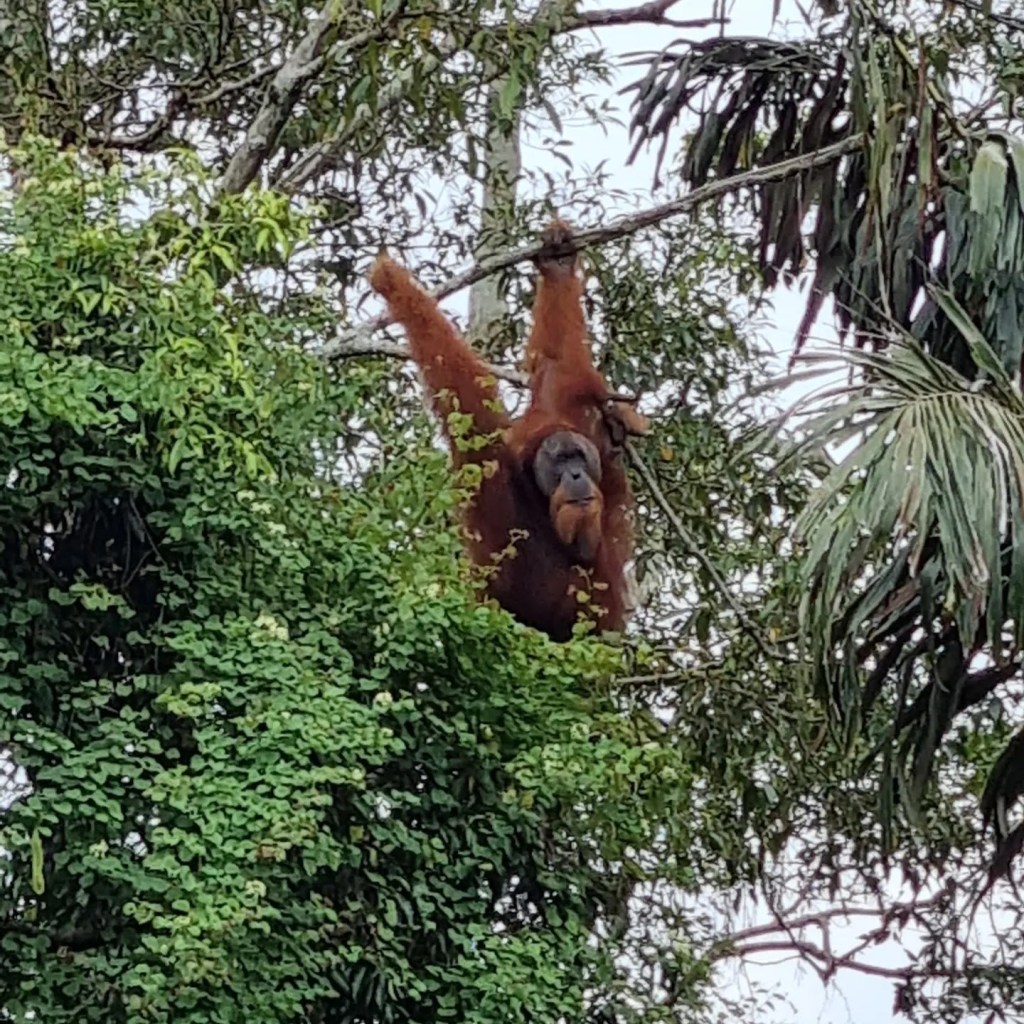
Sumatra felt like a different world compared to Bali or Lombok—far more traditional and way less touristy. We stayed in the jungle in Bukit Lawang, which meant a 15-minute walk from the road just to get to our hut, but honestly, it was all part of the adventure. The best part? Seeing wild orangutan. We decided on a day trek as non of us were really into the idea of wild camping in a jungle and it was actually perfect for us. Just the right amount of walking before the kids started to get tired and then the tubing back down the river at the end was the perfect end to the day. The orangutan were majestic, graceful, gentle and utterly mesmerising. It is heartbreaking that so much of their natural habitat is being destroyed but equally inspiring to see the efforts of the local people to preserve what is left. It was an absolutely unforgettable few days.

6. Komodo National Park day trip

Our day in Komodo National Park was one of the real standouts of the trip and definitely something we’d recommend. We joined a fairly typical group boat with about 25–30 people and spent the day exploring some of the park’s key spots. It started with a walk up to one of the park’s highest points, where we were met with incredible views over the surrounding islands and volcanic landscape. From there, we headed to Komodo Island to look for Komodo dragons—and seeing them up close in the wild was an unforgettable experience. We also stopped at the well-known Pink Beach, where we had time to relax on the unusual rosy sand, swim in the clear turquoise water, and snorkel among a reef full of fish. A real highlight was getting the chance to swim with manta rays—huge, graceful creatures that passed right beneath us. It was a full, memorable day with just the right mix of activity and downtime.

7. Travelling for Hours through Palm Oil Plantations

Driving through Sumatra, one of the most striking—and sobering—sights is the endless expanse of palm oil plantations. Stretching for miles, these uniform rows of trees have largely replaced what was once lush, biodiverse rainforest. It’s a stark reminder of the environmental challenges facing this region, particularly for endangered species like orangutans who are rapidly losing their natural habitat. For our family, it sparked incredible and in depth conversations—not only about the environment, but also about the complex realities for the people who depend on palm oil for their livelihoods. Nothing about the situation is simple. This was worldschooling at the absolute coal face—an unfiltered look at the difficult questions shaping our planet’s future. Our kids didn’t just read about it—they stood in the middle of it, asked the hard questions, and experienced it firsthand. I do say it was a highlight because it was a light bulb moment for me. We’d taken our kids out of school to travel the world, and the questions they asked—and the lessons they learned—about deforestation, sustainability, and the complex challenges facing local communities were nothing short of priceless. These weren’t abstract classroom concepts; they were real, unfolding in front of them, sparking curiosity, compassion, and a deeper understanding of the world they’re growing up in. If anything convinced me that travel is worth it, this was it.

How we afford to travel

Mountains in Switzerland

Follow our travels on Instagram

People often ask us how we manage to travel as much as we do. After all, we have regular jobs, three kids, a mortgage in the UK, and certainly no secret stash of cash. Some think we’ve won the lottery (we haven’t), while my niece is convinced we’re spies (we’re not—though that would be pretty cool). The truth? We prioritise travel, make smart choices, and take advantage of every opportunity to explore.

We travel as much as possible, though plenty of families travel more—some even full-time! Since we’re tied to school holidays (thanks to our jobs as a teacher and a university administrator), we often face higher prices. But with a little strategy, it’s still totally doable. Here’s how we make it work:

1. We Follow the Cheap Flights

Our biggest tip: let the deals decide where you go! We use Skyscanner religiously (browsing is basically a hobby at this point) and book flights based on where we can go for the lowest price. Not only does this save money, but it also adds an element of adventure—we’ve ended up in places we might never have considered otherwise!

2. We Book Super Early

If you want the best prices, in general, book well in advance, particularly if you’re restricted to school holidays. As I sat in Spain this February, I was already hunting for flights for next February—and trust me, the deals were worth it!

3. Travel Is Our Priority

For us, travel comes before buying new clothes (for us parents), cars, or meals out. Most of our disposable income goes towards exploring the world. We bought an affordable house with minimal upkeep (probably not enough, if I’m honest), we stick to budget airlines, take stopovers for long-haul flights, and embrace experiences over luxuries. Seeing our kids recognise the call to prayer or say “thank you” in another language? Priceless.

4. We Travel to Affordable Destinations

We rarely visit expensive places because doing so would mean travelling less. We skip package holidays, all-inclusives, and pricey resorts (we’ve never even been to Centre Parcs! Although I hear the Center Parcs in Europe is cheaper). Ski trips? Not really our thing—and also not in the budget. SE Asia is one of our favourite budget destinations but City breaks in Europe can also be super affordable too.

5. We Stay in Self-Catering Accommodation

We love having the option to cook our own meals. That doesn’t mean we never eat out, we definitely do and love it, but having a kitchen lets us whip up quick, budget-friendly meals when we need to and it’s really useful for breakfast before we head out for the day. Plus, apartments are often cheaper than booking two hotel rooms! We usually use Booking.com or Airbnb

6. We Stay in Central Locations

Being within walking distance of cafés, restaurants, landmarks, and public transport is a game-changer. It saves time and cuts down on transport costs, making a slightly pricier central stay worth it in the long run.
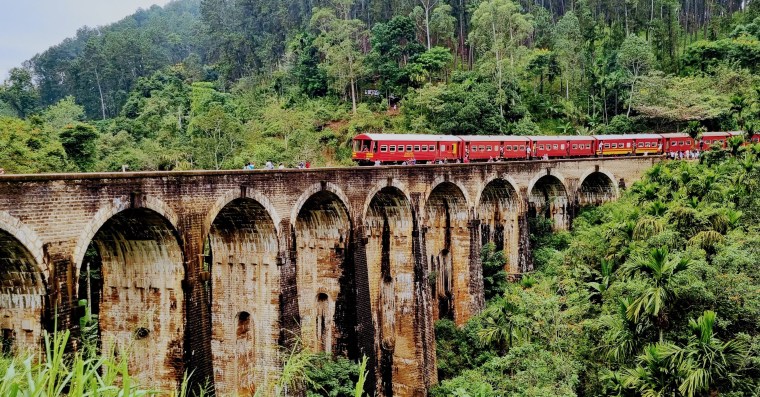
7. We pack light

We’ve learnt the hard way—packing too much is a waste. Now, we’re strict about what we bring and usually stick to just a small carry-on. Easter in Europe? Tricky. But worst-case scenario, we buy a jumper (which has only happened once, even during our five-month trip to Asia).
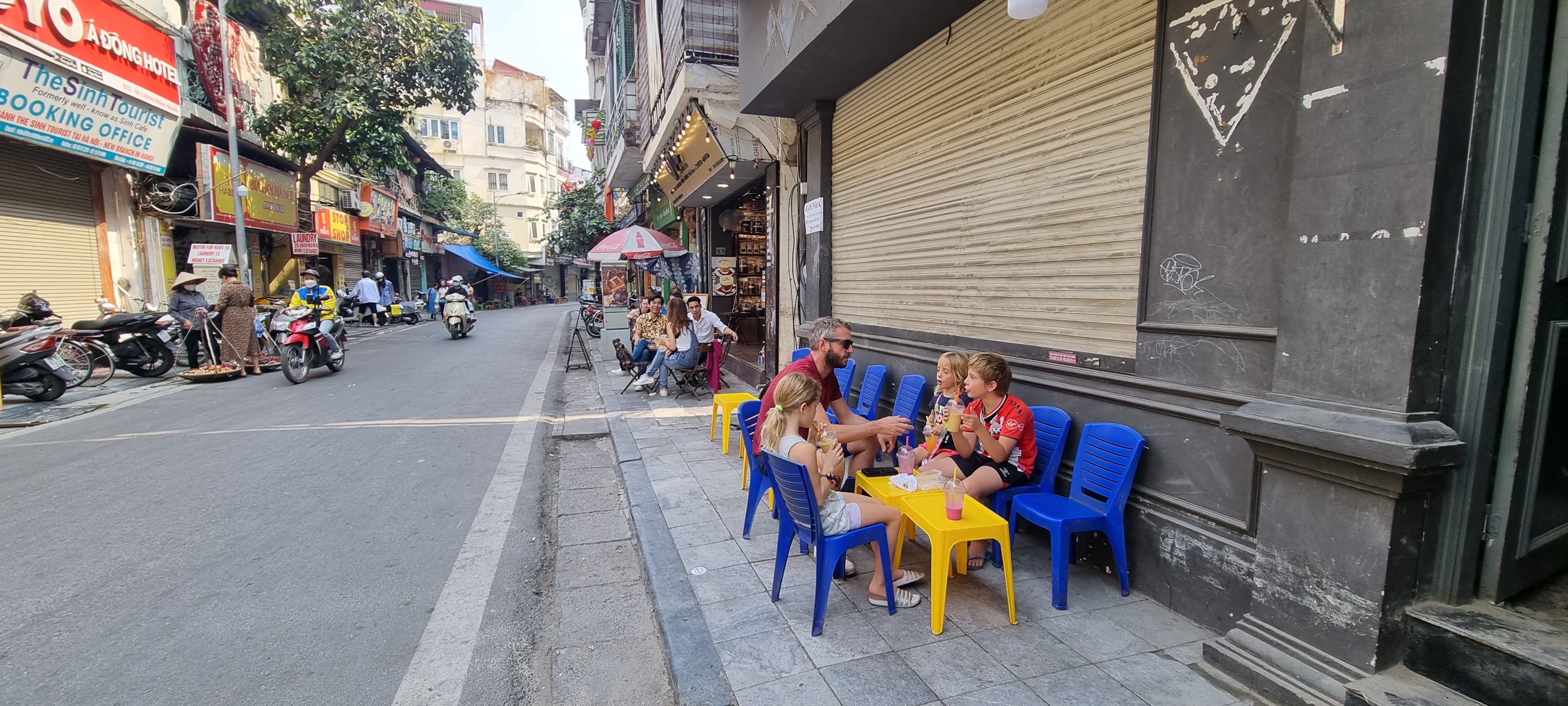
8. We don’t use tours or packages

Travelling independently is generally cheaper than booking tours or packages because you have full control over your budget. You can choose budget-friendly accommodation, use public transport instead of expensive private transfers, and eat at local restaurants rather than tourist-focused spots. Tour packages often include mark-ups for convenience and profit, whereas independent travel allows you to find the best deals on flights, activities, and accommodation. Additionally, you can avoid unnecessary expenses such as guided tours for attractions that can be explored on your own, further reducing costs.

9. We skip souvenirs

Skipping souvenirs when travelling is cost-effective as it avoids overpriced, often unnecessary purchases. Tourist shops inflate prices, and small costs quickly add up. Instead, prioritising experiences or local cuisine creates lasting memories without extra spending. It also reduces baggage weight, helping to avoid excess luggage fees. Opting for photos and meaningful experiences is a budget-friendly alternative.

10. We Travel on a Budget

We don’t splurge on every meal, particularly in more expensive locations. Lunch is often a supermarket snack, a picnic, or street food (especially in Southeast Asia!). Camping? We pack sandwiches. For some, this might take away the “holiday” feel, but for us, it’s how we make travel happen.

At the end of the day, it’s all about choices. By making travel a priority, being flexible, and sticking to a budget, we’ve been able to explore so many amazing places, even in school holidays. And if you’re dreaming of travelling more—it’s absolutely possible!

Camping in the City of Lights: Our Stay at Camping de Paris

Follow our travels on Instagram

When you think of Paris, camping probably isn’t the first thing that pops into your mind, right? Well, that’s exactly what we thought—until we pitched our tent at Camping de Paris, nestled in the leafy 16th arrondissement along the Seine. Suddenly, we discovered a whole new way to experience the City of Lights. It was affordable, gave the kids plenty of space to run around, and still kept us close enough to all the Parisian magic.

We were on our way back up north to catch our shuttle home, and as we were passing through, we decided to finally check Paris off our list. The kids were always talking about how they’d been to places like Bangkok but never actually visited Paris—so we made it happen, and camping turned out to be the perfect way to do it!

Everything We Needed, Right on Site

The campsite turned out to be way more spacious than we expected, with fantastic, clean facilities and a really relaxed atmosphere. There’s a central lodge where we could kick back, grab a drink, or even borrow a board game for some family fun. On top of that, there’s a restaurant, a handy grocery shop for essentials and during the warmer months, a food truck rolls in with tasty bites.

While we usually cooked up our own meals at our pitch, by the end of the trip, we’re always ready to switch it up and let someone else do the cooking. The on-site restaurant didn’t disappoint—it had a solid menu that catered to both the adults and the kids, making it the perfect spot to unwind without the hassle of grocery shopping or cooking.

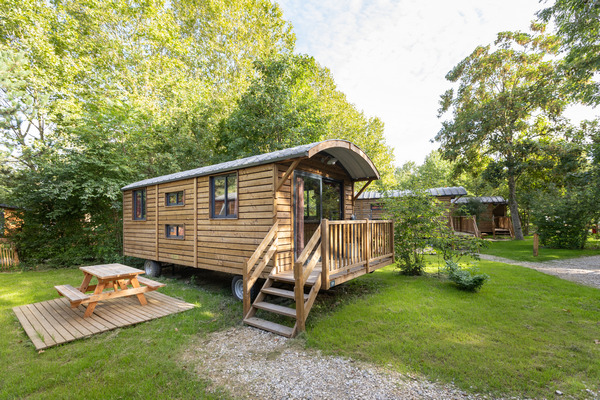
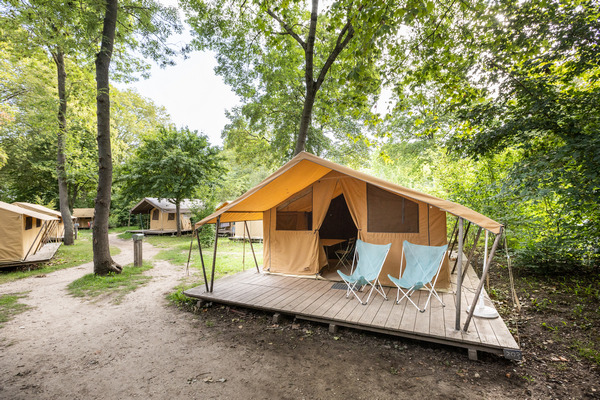
We camped, but there are also chalets, wood trailers and pre-erected canvas tents so there are plenty of options if you’d prefer a little more comfort to an air bed and a little more convenience than having to put up a tent.

Easy Access to the City

The real bonus? Although we were surrounded by nature, getting into the heart of Paris was quick and easy. A shuttle bus runs directly from the campsite to Porte Maillot, where you can hop on the metro and reach major landmarks like the Eiffel Tower and the Louvre in under 30 minutes.

We spent our days sightseeing and our evenings winding down on the campsite—letting the kids ride their bikes, enjoying an apperitif sitting outside our tent in the warmth of the evening and enjoying the rare calm you don’t usually associate with big city trips.

Note: the shuttle doesn’t run too late in the evening, so we made sure to plan our returns accordingly.

Final Thoughts

Our stay at Camping de Paris gave us a completely different kind of Parisian experience. It was relaxed, affordable, and genuinely memorable. We still got to see all the famous sights, but we also had time to slow down, breathe, and enjoy the things we love about camping. We initially booked it because there weren’t any other camping options as close to the centre, but I was really surprised at the quality of the site and the facilites available, all so close to one of the most iconic capitals in the world.

If you’re a family looking for a base that’s calm, convenient, and a little unconventional, we highly recommend it and we’d definitely go back. Paris has never felt more accessible.!