Best Beaches on the South Coast of England (2025 Guide)

Follow our travels on Instagram

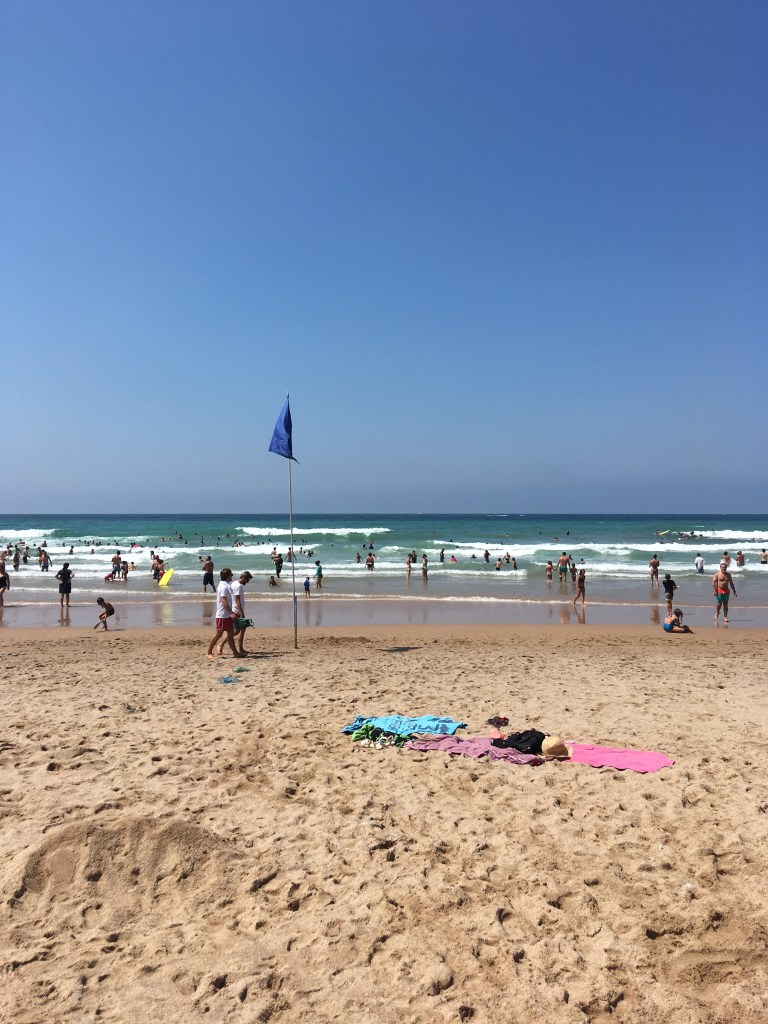
Growing up near Sheffield, I was far more familiar with rolling hills, green fields, and busy city streets than with beaches; they just weren’t part of my everyday life — in fact, I’d only visited a handful in the UK before moving down to the South Coast in 2002. Back then, I honestly didn’t think of the UK as a place for “proper” beaches at all.

Of course, I couldn’t have been more wrong. Over the years, I’ve discovered that the UK is blessed with a coastline that’s every bit as beautiful, dramatic, and family-friendly as anywhere in the world. Sure, we can’t always guarantee tropical sunshine, but what we do have are miles of golden sands, crystal-clear coves, and seaside spots perfect for everything from rock-pooling with the kids to building sandcastles or simply enjoying fish and chips with a view. So here are my picks for our favourite beaches in the UK.

Sandbanks

I really love Sandbanks. It really is one of those beaches that makes you feel like you’re on holiday without leaving the South Coast, with its golden sands and clear waters. It’s our go to beach on a hot day. If you get there early enough, you can park at the small car park off Shore Road and enjoy a quieter end of the beach. There’s a couple of cafes, toilets and an ice cream shop as well as having Tescos nearby if you want to grab a budget lunch. Sandbanks has the reputation for being upmarket but there’s still plenty of classic seaside charm, away from the fancy houses, and it really is one of the best beaches on the south coast, in my view.

Sandbanks

Weymouth

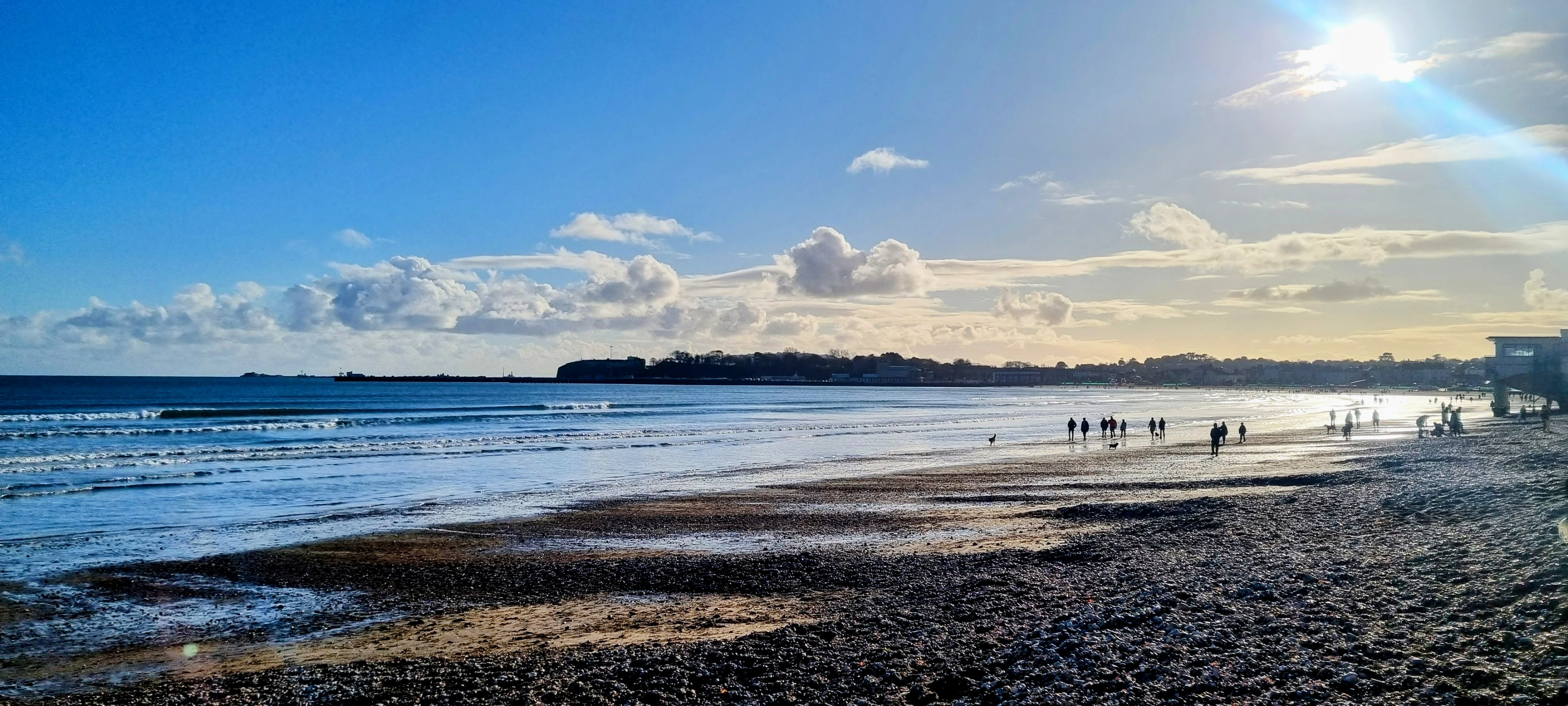
Weymouth holds a special place in our hearts — it’s where Steve grew up and where we still have family, so it always feels a little like coming home. Weymouth Beach perfectly captures the classic British seaside vibe. Its wide, gently sloping sands are ideal for families, whether you’re building sandcastles, paddling safely in the shallow waters, or venturing a bit further out on a paddleboard. Backed by a historic Georgian seafront, the beach is picture-perfect. And because it’s a traditional seaside town, you’ve got all the classics: old-school ice cream, fish and chips (the kind that makes you feel slightly guilty but totally justified), Punch and Judy shows, deckchairs for hire, fresh seafood to buy directly from the incoming boats and the inevitable seaside arcade games that may or may not bankrupt you before lunchtime. A little further up the beach is the pebbly and wavy Overcombe beach which is perfect if you’re after a little more dramatic (and much quieter) beach trip. The views across the Jurassic Coast are stunning with the white cliffs and undulating hills. There’s also Bowleaze cove
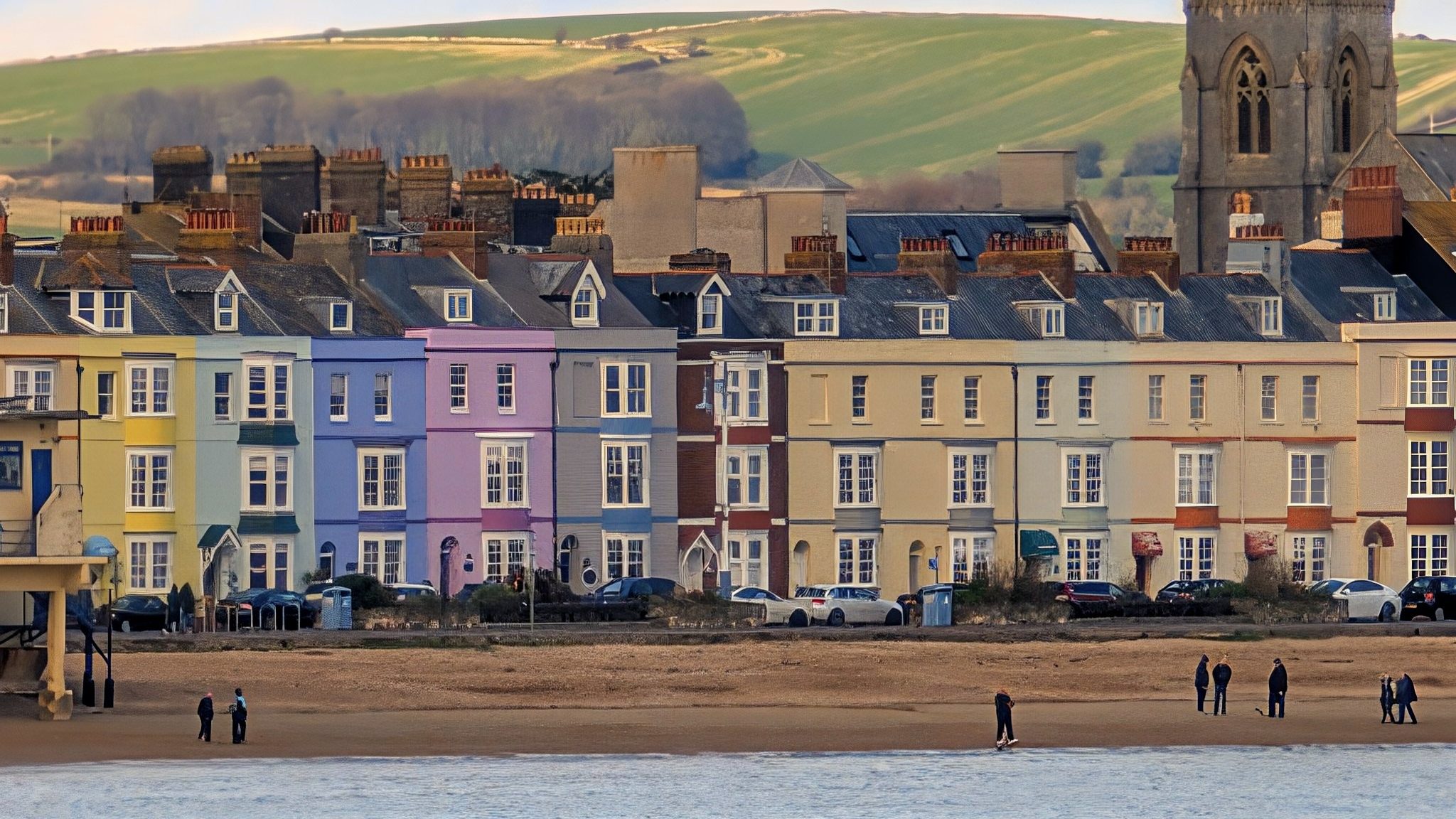
Georgian houses in Weymouth
Weymouth

Southsea

I’ve got a real soft spot for Southsea. It has that traditional seaside feel where you can mix a bit of time on the beach with plenty happening just behind it. The beach itself is mostly shingle — which I secretly prefer because, let’s be honest, sand gets everywhere. The real buzz is along the seafront: arcades, cafés, and the South Parade Pier where you can grab fish and chips, a slice of pizza for £2, or an ice cream. There’s even a little kiosk serving cockles, mussels, and jellied eels by the pot if you fancy something properly old-school. Since 2022, there’s been a lot of redevelopment here, with a new stretch of promenade gradually opening up that will soon let you walk all the way along the seafront to Clarence Pier and the Hovercraft station — where you can whizz across to Ryde on the Isle of Wight in just 10 minutes. Clarence Pier itself is packed with fairground rides, arcades, and everything you’d expect from a classic British seaside town. And if the retro seaside vibe isn’t your thing, you can now even book a seaside sauna — a new trend popping up along the coast that I’m surprisingly keen on.
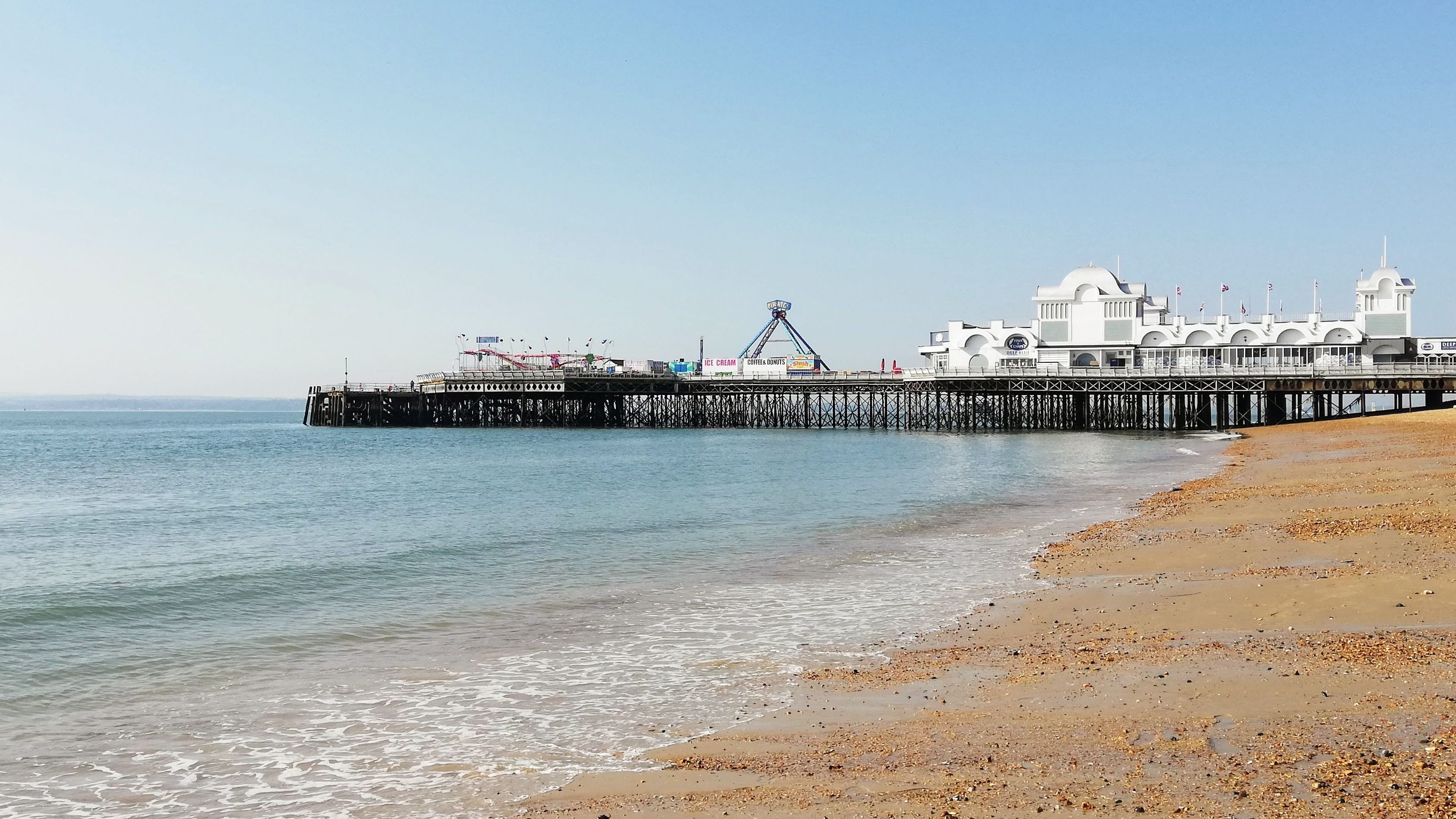
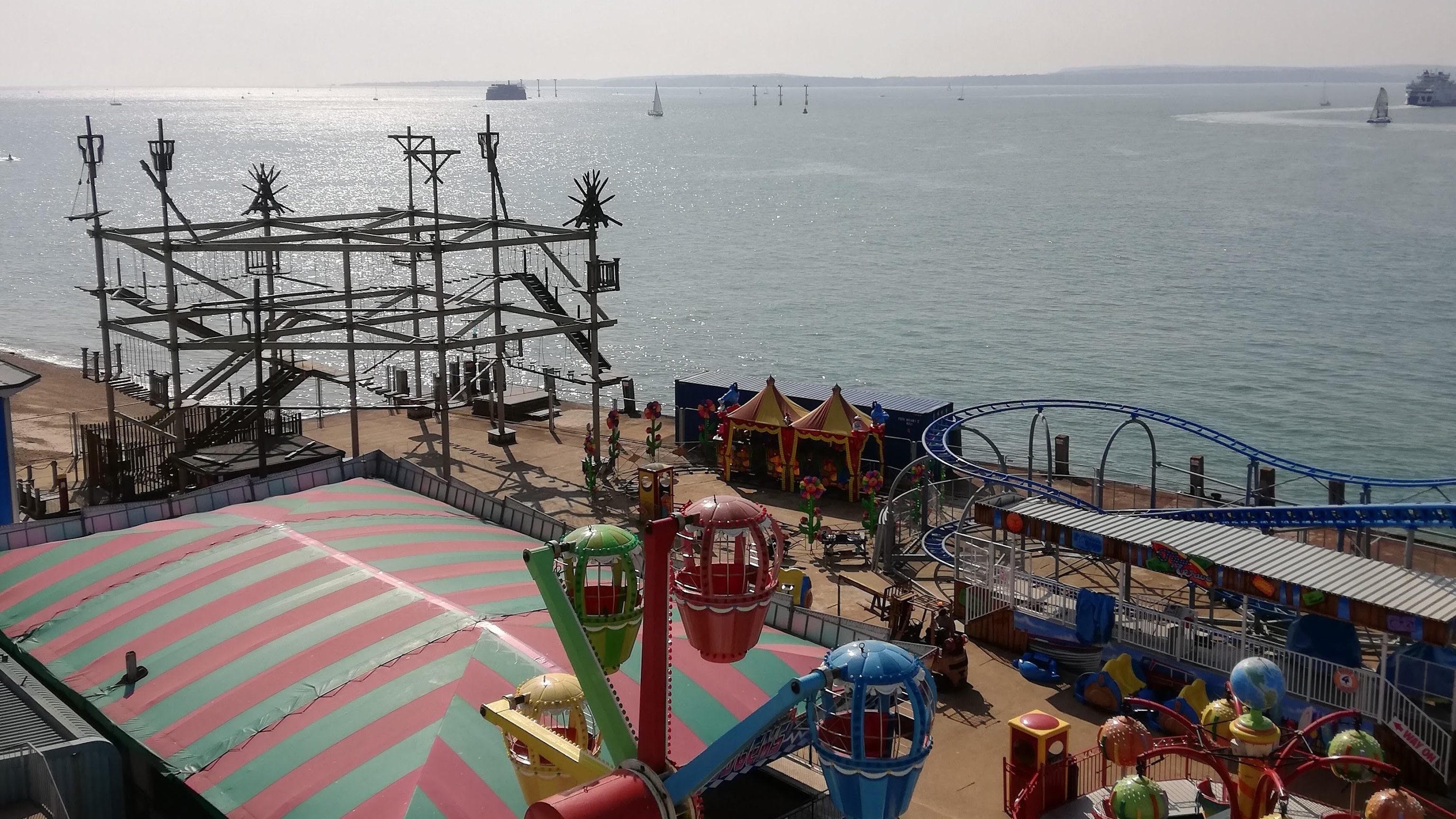
Southsea beach
Clarence Pier

Durdle Door

Durdle Door is less “bucket and spade” and more “wow, look at that view!” Famous for its dramatic limestone arch, this beach is all about the scenery. The walk down can be a bit of a workout (and getting back up even more so), but once you’re there, it’s worth every step. Facilities are limited, so it’s best to come prepared with snacks, drinks, and maybe even a picnic. Just don’t forget the camera.

Durdledoor

Witterings

West Wittering is one of those beaches where you find a different side to the British seaside but feels every bit as quintessentially British as the classic seaside towns. The huge expanses of beach, shallow tidal pools for kids to splash in, sand dunes for exploring, as well as plenty of space to fly a kite or kick a ball around. It’s a firm family favourite thanks to its Blue Flag status and big skies, and while it can get busy on sunny weekends, there’s always enough sand to go around. There’s a large carpark behind the beach so parking has never been a problem for us and we always take a picnic as there aren’t loads of options to buy food, but that always keeps costs down anyway!

West Wittering

Lyme Regis

Lyme Regis strikes a lovely balance between sandy beaches and a charming seaside town atmosphere, and it feels quite different to places like Southsea or Weymouth. The beach is perfect for kids to paddle, build sandcastles, or try their hand at crabbing off the harbour wall, while grown-ups can stroll the promenade or poke around the little independent shops. When it’s time for a snack, there’s no shortage of options — from classic fish and chips or a cone of ice cream to a brilliant bagel hut that even hands out umbrellas with your order (purely to defend yourself from the ever-hopeful seagulls). In summer it’s lively but never overwhelming, more of a cheerful buzz than a crush of people. You can hire a beach hut and settle in for the day, head out on a paddleboard with an eye out for dolphins, or simply stock up on some traditional fudge for the trip home. Lyme Regis really has that timeless British seaside feel.
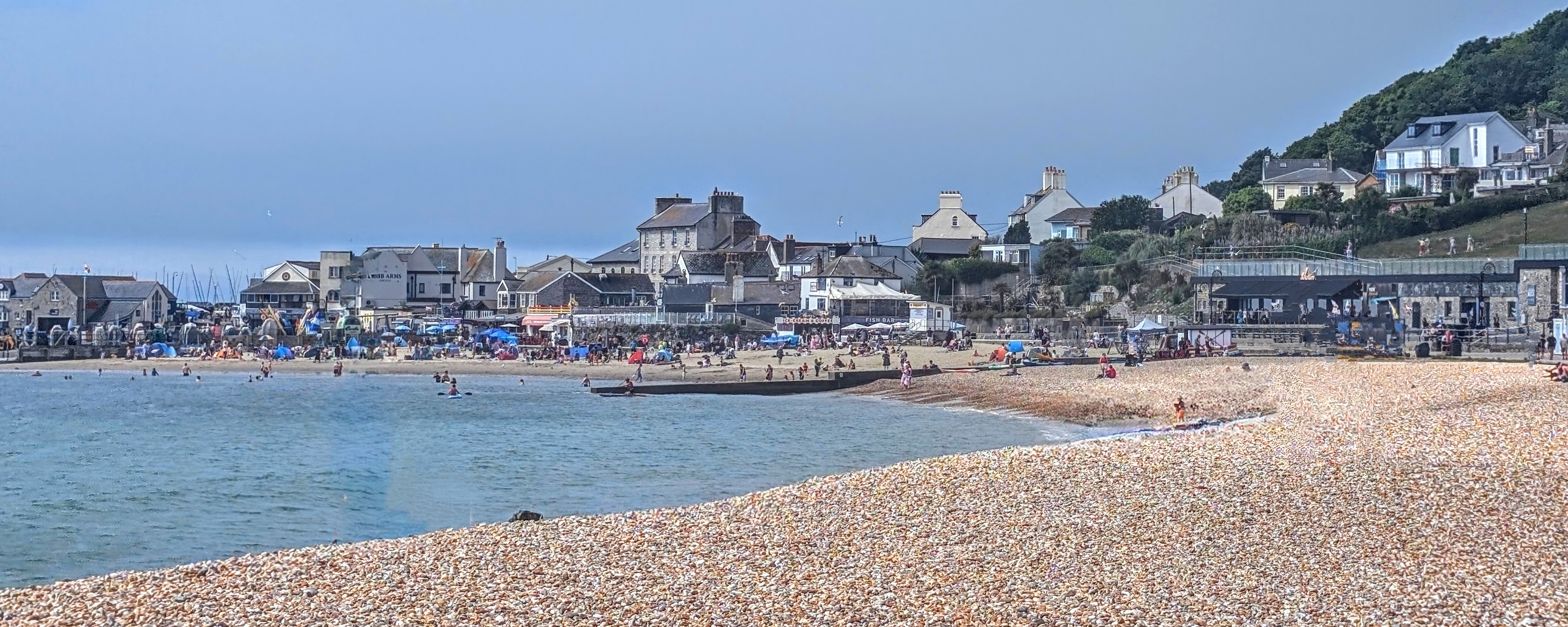
Lyme Regis

Mudeford

I love the vibe at Mudeford Beach. It is one of those places that feels effortlessly calm, even on a sunny weekend, where it always feels possible to find a good beach spot. I love the wide, sandy stretch and the line of pastel beach huts that give it a quietly charming vibe. The harbour adds a little energy without ever feeling crowded — I often watch paddleboarders drift past, or families crabbing from the quay while small boats head out to the channel. One of my favourite things is hopping on the short ferry to Mudeford Sandbank, where there are great views of Hengistbury Head and the Isle of Wight. Between easy walks along the shore and grabbing fresh seafood from the local huts, it’s a beach that feels both relaxing and authentic — the kind of spot I love returning to.

Mudeford

Brighton

When I lived in Sheffield, the closest I got to Brighton Beach was an Indie Club night by the same name! Brighton Beach is one of the UK’s most iconic seaside destinations, with its promenade, distinctive pebble shore, and the famous Brighton Palace Pier stretching proudly into the sea. The beach is fabulous year-round, although summer brings the quintessential British seaside vibe, and busy beaches! The pier itself is a Brighton landmark, offering everything from nostalgic arcade games to the irresistible scent of freshly fried doughnuts drifting from the pier’s food stalls. Whether you’re dipping your toes in the English Channel, or watching the sunset glimmer over the pier’s silhouette, Brighton Beach perfectly captures the carefree, colourful spirit of this beloved coastal city.
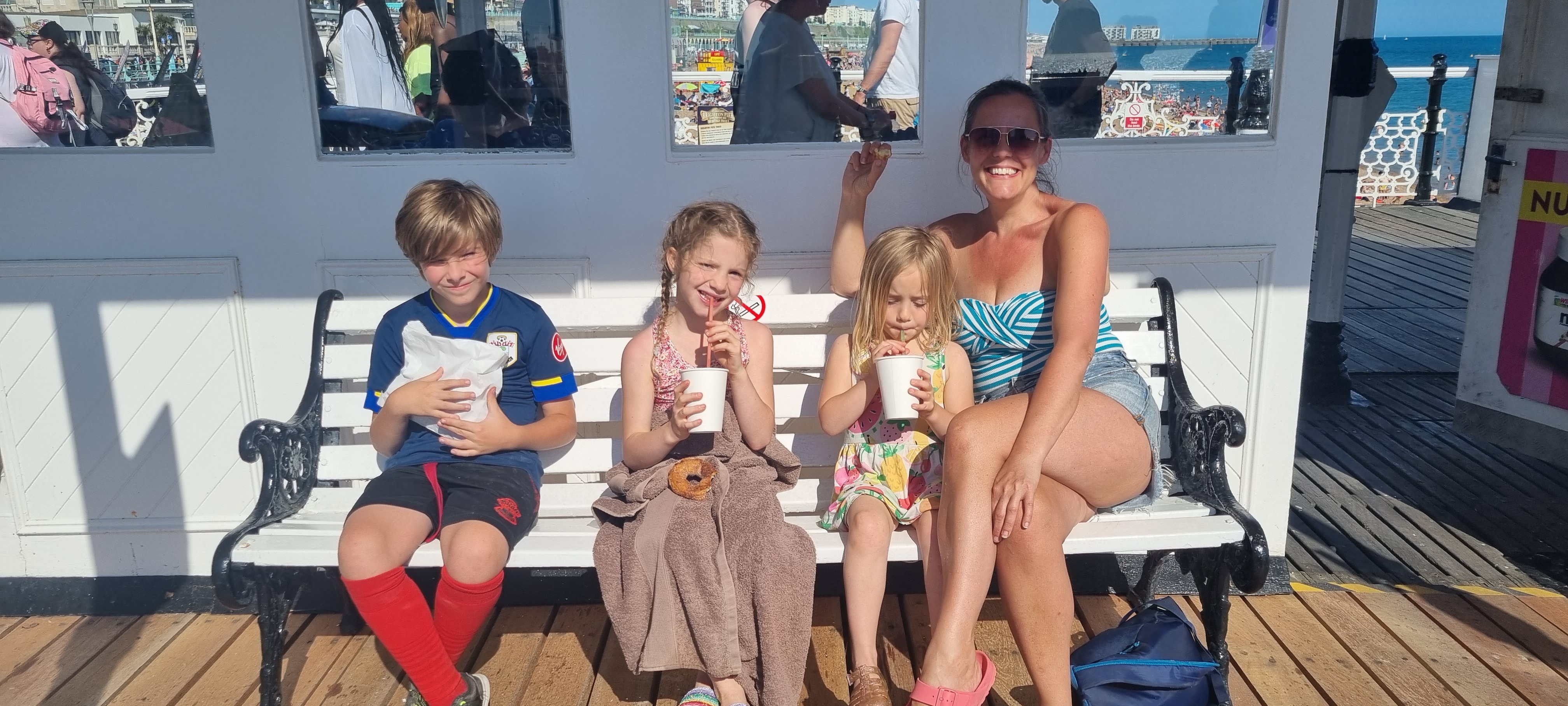
Doughnuts on Brighton Pier
Brighton beach

Highcliffe beach

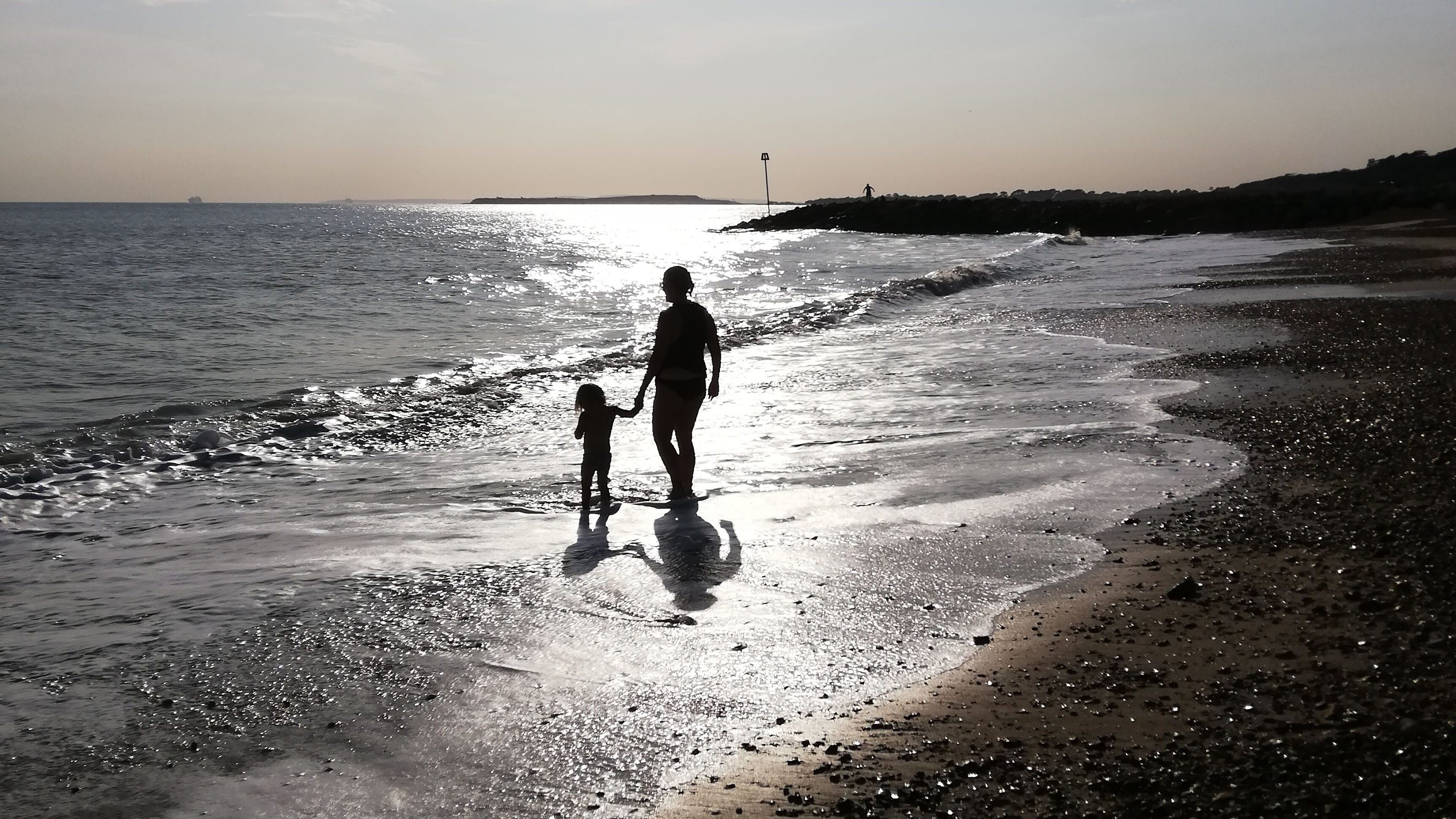
Highcliffe Beach might not make it onto many “best beaches in Britain” lists, but honestly, we love it — and for good reason. First off, it’s never heaving with people. Even in summer, it has this slightly wild, open feel that makes you feel like you’ve stumbled on a bit of hidden coastline. Then there are the waves — yes, waves in Dorset! It can get a bit choppy, which just adds to that untamed vibe, and you’ll even spot a few brave surfers out there. Another big win: parking. There’s a big car park right at the top of the cliff, with an easy walk down to the beach, plus a little truck serving pizza and ice cream. And if you’ve been exploring the New Forest (as mentioned in my post on Autumn walks near Southampton), Highcliffe is just a short drive away — the perfect spot to round off the day.
Highcliffe beach

final thoughts

The UK might not always win points for its weather, but when it comes to beaches, we’ve got some real gems. From lively city shores to the wild, windswept stretches of the Witterings, even this small selection of south coast beaches shows just how varied and beautiful our coastline can be. And the best part? You don’t need perfect summer weather to enjoy them — these beaches are just as stunning in the quiet of winter as they are under the summer sun.

10 Great Things to Do When Camping in Croyde

Follow our travels on Instagram

Like so many others, we’ve been coming to Croyde in North Devon for years. We’ve experienced it all—first as carefree twentysomethings, then as parents of little kids, and now as part of a group of families with slightly older children. As you’ve probably gathered from this blog, we’re big fans of camping, and Croyde has always been one of our top spots for camping, surfing, and seaside adventures.

With its golden beaches, dramatic cliffs, and laid-back surf village vibe, it’s a place that really has something for everyone. Our kids adore it, and we always stay in the same spot, following a familiar little routine of favourite things to do. Not many places tempt us back again and again—especially with the same activities—but there’s just something magical about this North Devon gem.

So, here’s our list of the 10 things we ALWAYS do whenever we visit Croyde.


1. Walk the Coast Path to Woolacombe

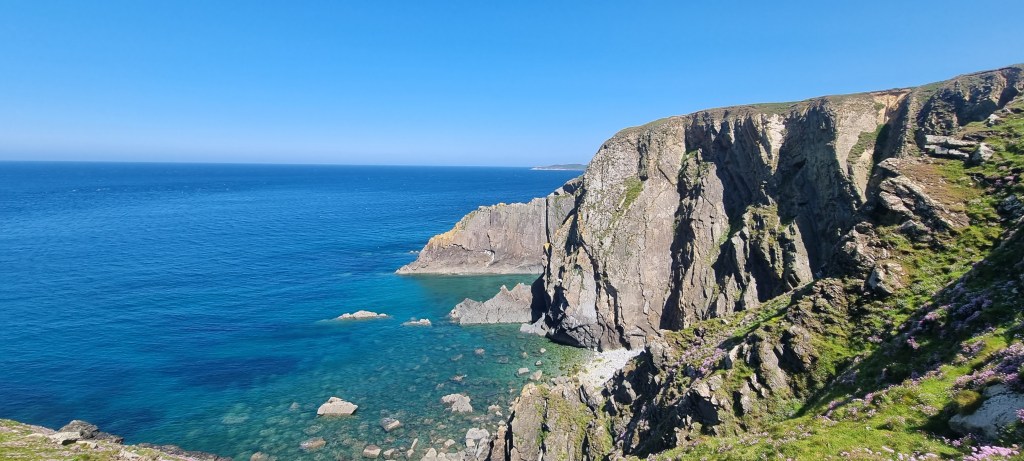
We absolutely love walking the South West Coast Path from Croyde to nearby Woolacombe. The walk itself is pretty gentle, but the views? Absolutely breathtaking. Heading out to Baggy Point, you’ll find some dramatic, sheer cliffs—stunning but high! Hold tightly onto little hands, or you can take the alternative route over the hill.

This walk works for all fitness levels and is perfect for soaking up those panoramic North Devon coastline views. We usually pause for a snack overlooking Putsborough Beach, watching surfers ride the waves below. From there, you can take either the back route or the beach route to Woolacombe—both are gorgeous.

We have a soft spot for the back route because it lets us stop at The Porthole for an incredible scotch egg (and maybe a little can of fizz!). Then it’s pasties and ice cream in Woolacombe before heading back—though, if your legs are protesting, a taxi is always an option!

For some reason our kids never complain on this walk so it’s actually a pleasure and one we will be doing for years to come, no doubt.


2. Treat Yourself to Ice Cream in the Village

When in Devon, right?! Croyde village is packed with ice cream parlours serving every flavour under the sun. It’s one of those holiday “must-dos” (okay, maybe a little over-the-top), but after a day of surfing, bodyboarding, or just flinging yourself into the waves, a little sweet treat feels like a reward from the universe. And yes, sometimes we go rogue and add a dollop of clotted cream on top. Totally unnecessary, completely delicious, and zero regrets.

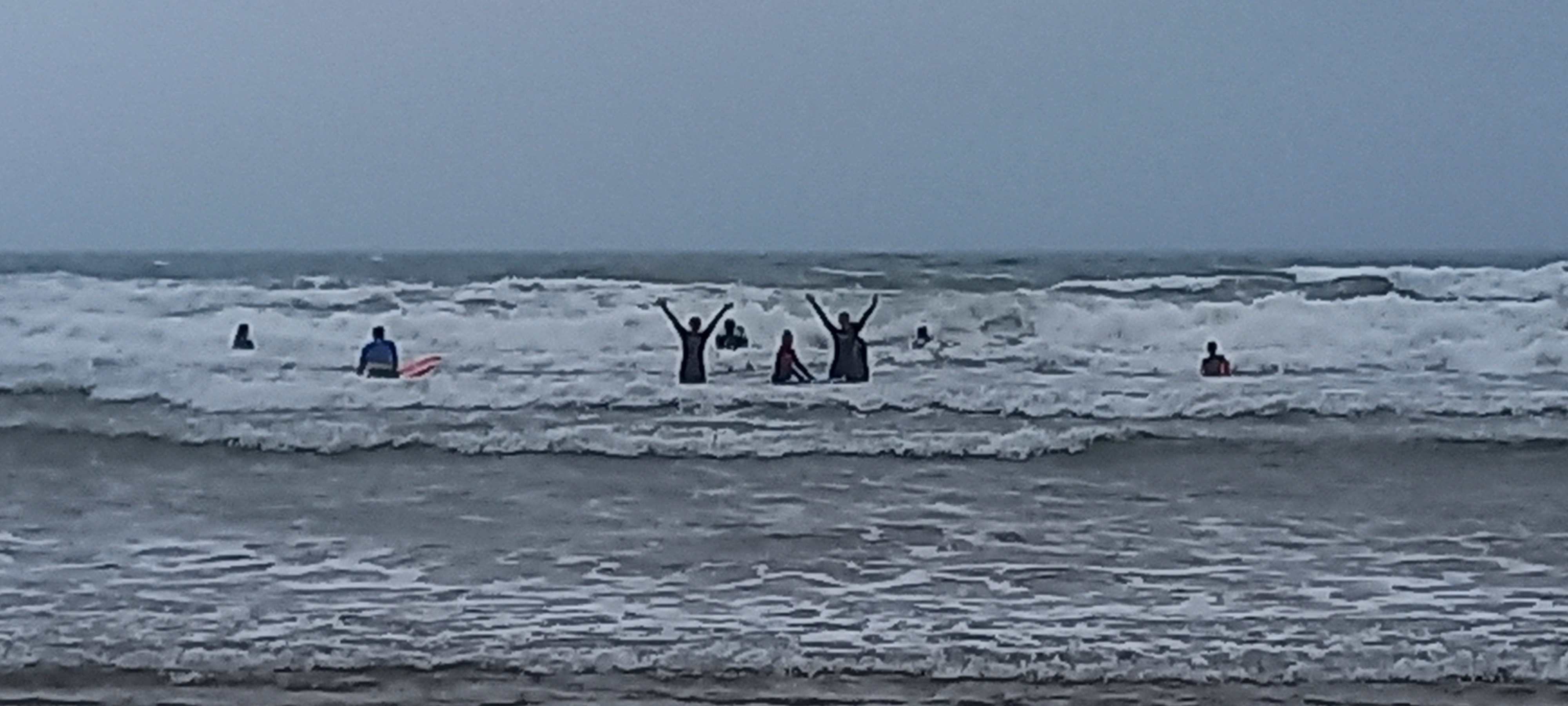
3. Surf, Bodyboard or just jump waves at Croyde Bay

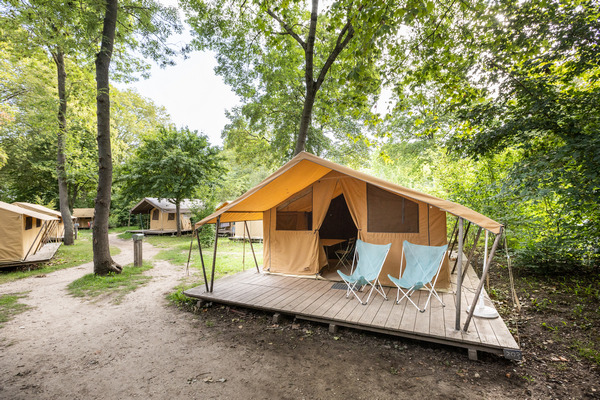
Croyde Bay is famous for its waves—and trust us, they do not disappoint! Megan is all about surfing, Charlotte loves bodyboarding, and Reuben just can’t get enough of jumping the waves, so there’s something for everyone. The waves are an absolute blast and a fun (and super cheap!) way to spend a day. Just don’t forget the beach snacks, buckets and spades, and a trusty windbreak—it can get pretty gusty out there, and a good windbreak makes all the difference for a long, happy beach day.

On our most recent trip, the beach was closed a couple of times because of rough sea conditions. It’s always amazing to watch the waves when they’re particularly dramatic—but remember, safety first. Never venture in when it’s not advised, no matter how tempting those perfect waves look!


4. Feast on Fresh Pasties

A classic Devon treat! I actually think I’ve become more committed to regular pasty lunches over the years. I absolutely love pasties and a little break to Devon is the perfect excuse to eat lots of them! My personal favourite is the vegan steak pasty from The Hub in Croyde village. There are quite a few vegan options these days, which is great for us!


5. Visit The Hideout Café

I think that Croyde has changed quite a bit over the last few years and whilst some may complain about the development of this little Devon hideaway, I think it’s come with some great additions, one of which is the Hideout. You get to the Hideout through the Hub pasty shop. I love the cocktails, and the fact I can get a bucket!! the Pornstar Martini and Mai tai are my favourites. We usually tuck into pasties, share a bucket or two, then wander back to camp for cream tea and stargazing. Wonderful.


6. Enjoy a Traditional Cream Tea

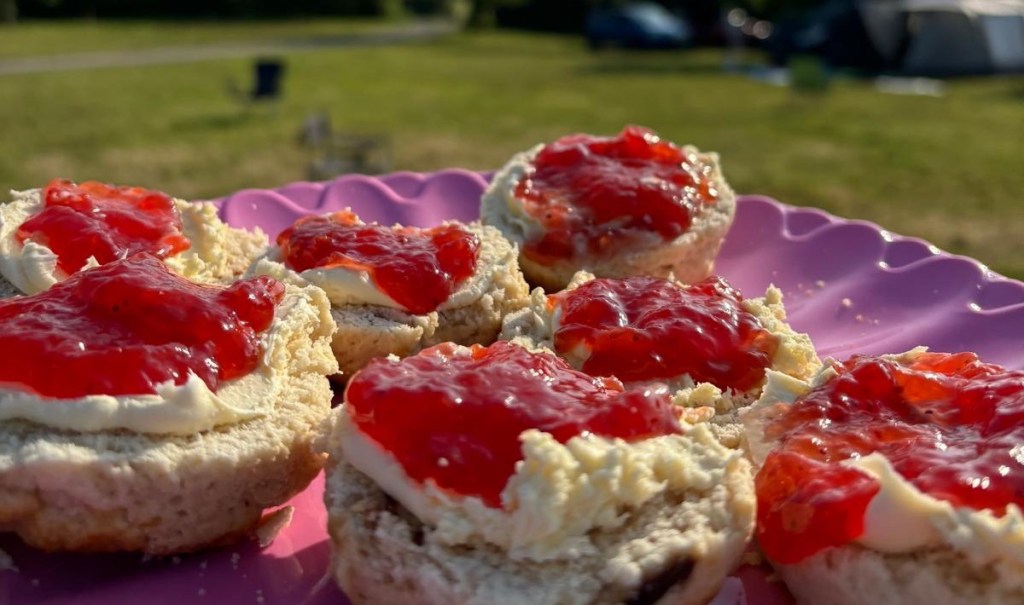
If there’s one thing you have to tick off your North Devon list, it’s a cream tea in Croyde. After a morning of waves, walks, or sand between your toes, nothing hits the spot quite like a scone (scone like own or scone like gone?) loaded up with clotted cream and jam. We usually buy our own from the village to eat outside the tent in the sunshine (hopefully). Just be warned: you’ll have to pick a side in the age-old debate—cream first or jam first? (Devon says cream first, but we’ll let you decide…).


7. Explore Baggy Point

If you’re not up for trekking all the way to Woolacombe but still want a dose of North Devon’s incredible coastal views, Baggy Point is the perfect spot. I absolutely love wandering its trails—they’re just right whether you’re a serious hiker or fancy a gentle stroll. Keep your eyes peeled for seals bobbing in the waves or seabirds swooping overhead, and don’t forget your camera—the endless stretch of sparkling ocean is impossible not to photograph.

It’s also a brilliant place to pause for a picnic, take a deep breath of that fresh, salty sea air, and just soak it all in. Every time I visit, I’m reminded how stunning the British coastline is. And I love that Baggy Point has been cared for by the National Trust since 1939—knowing it’s protected for generations to come.


8. Rock-pooling

We first got into rockpooling in Croyde when the kids were little, mostly as a backup plan for those days when the sun was more reluctant to come out. Even now, they still get so excited spotting crabs, tiny fish, and all sorts of little creatures in the rock pools when the tide goes out. The best thing about Croyde is that the tide retreats so far that there are hours of entertainment right there for free!.

It’s not just fun—it’s also a brilliant way for kids (and adults!) to learn about the sea and the animals that live there. And of course, the golden rule: leave everything where you find it. Watching the kids marvel at creatures in their natural habitat is far more rewarding than bringing them home in a bucket!


9. Try Dune Surfing

My kids love a dune surf and the sand dunes behind Croyde Bay provide an excellent dune surfing run! Bring a bodyboard or even a piece of cardboard to slide down the dunes.


10. Stargaze from Your Tent

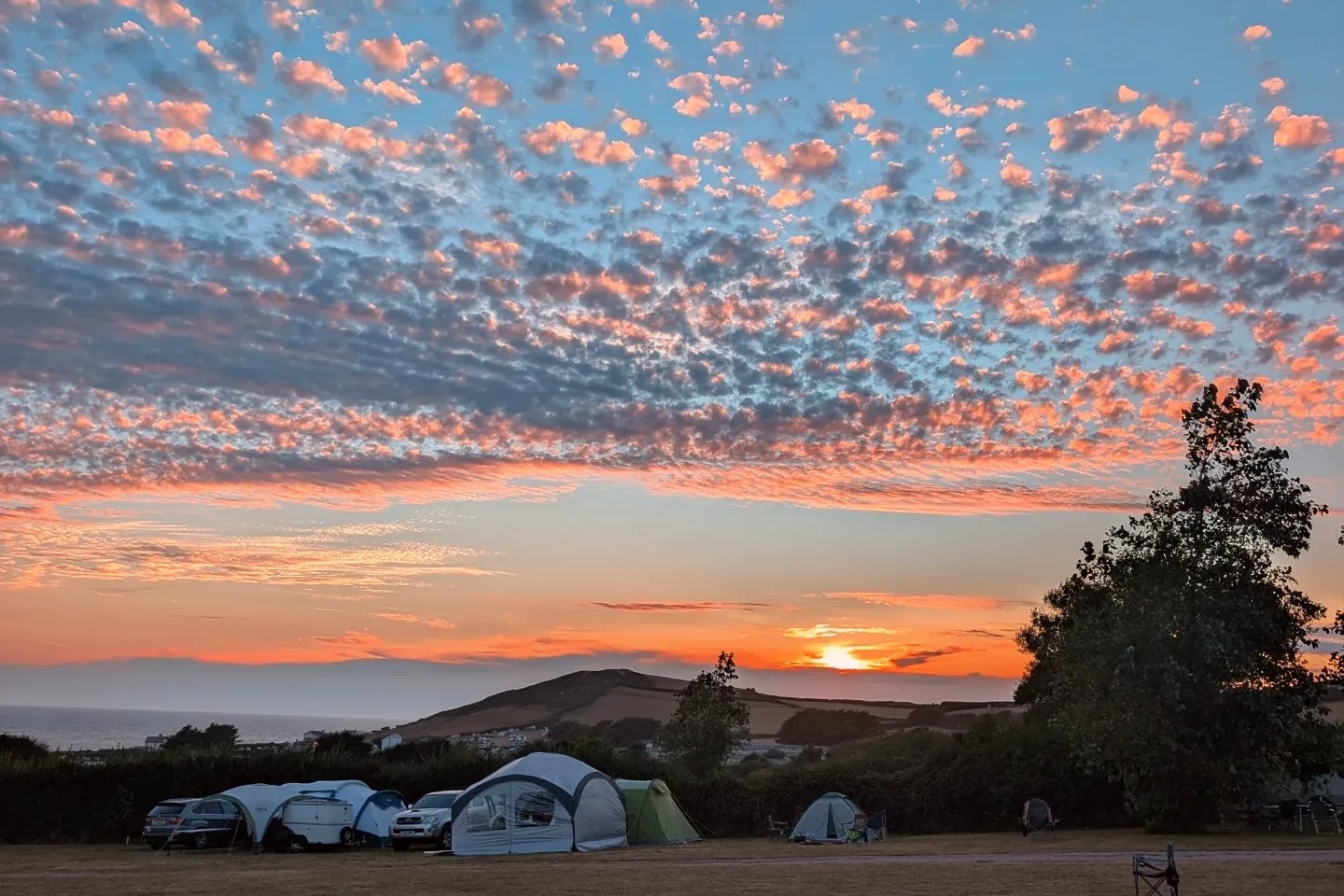
One of the best things about camping in Croyde has to be the stargazing. With no city lights around, the night sky feels bigger, brighter, and just a little bit magical. It always makes me stop and think how beautiful (and how humbling!) it all is—something we often forget when we’re wrapped up in everyday life.

And honestly? Some of my favourite starry moments have happened after those classic middle-of-the-night camping loo trips. You step outside, bleary-eyed, and suddenly you’re wide awake, standing under a sky full of stars with only the sound of the waves in the background. It’s the kind of simple magic that makes camping here so special.


Final thoughts

Croyde has this incredible ability to feel familiar and new at the same time. No matter how many times we visit, there’s always something to discover. For all the travelling we do, our kids love this place and keep wanting to come back again and again. It’s a place that lets you slow down, enjoy simple pleasures, and make memories that stick—whether you’re a couple, a group of friends, or a family like ours. For us, it’s more than just a holiday spot; it’s a little tradition, a go-to escape where the sea, sand, and sunsets never fail to remind us why we keep coming back. Croyde isn’t just somewhere you visit—it’s somewhere you return to, again and again.

10 Great Things to Do When Camping in Croyde

Like so many others, we’ve been coming to Croyde in North Devon for years. We’ve experienced it all—first as carefree twentysomethings, then as parents of little kids, and now as part of a group of families with slightly older children. As you’ve probably gathered from this blog, we’re big fans of camping, and Croyde has always been one of our top spots for camping, surfing, and seaside adventures.

With its golden beaches, dramatic cliffs, and laid-back surf village vibe, it’s a place that really has something for everyone. Our kids adore it, and we always stay in the same spot, following a familiar little routine of favourite things to do. Not many places tempt us back again and again—especially with the same activities—but there’s just something magical about this North Devon gem.

So, here’s our list of the 10 things we ALWAYS do whenever we visit Croyde.


1. Walk the Coast Path to Woolacombe

We absolutely love walking the South West Coast Path from Croyde to nearby Woolacombe. The walk itself is pretty gentle, but the views? Absolutely breathtaking. Heading out to Baggy Point, you’ll find some dramatic, sheer cliffs—stunning but high! Hold tightly onto little hands, or you can take the alternative route over the hill.

This walk works for all fitness levels and is perfect for soaking up those panoramic North Devon coastline views. We usually pause for a snack overlooking Putsborough Beach, watching surfers ride the waves below. From there, you can take either the back route or the beach route to Woolacombe—both are gorgeous.

We have a soft spot for the back route because it lets us stop at The Porthole for an incredible scotch egg (and maybe a little can of fizz!). Then it’s pasties and ice cream in Woolacombe before heading back—though, if your legs are protesting, a taxi is always an option!

For some reason our kids never complain on this walk so it’s actually a pleasure and one we will be doing for years to come, no doubt.


2. Treat Yourself to Ice Cream in the Village

When in Devon, right?! Croyde village is packed with ice cream parlours serving every flavour under the sun. It’s one of those holiday “must-dos” (okay, maybe a little over-the-top), but after a day of surfing, bodyboarding, or just flinging yourself into the waves, a little sweet treat feels like a reward from the universe. And yes, sometimes we go rogue and add a dollop of clotted cream on top. Totally unnecessary, completely delicious, and zero regrets.


3. Surf, Bodyboard or just jump waves at Croyde Bay

Croyde Bay is famous for its waves—and trust us, they do not disappoint! Megan is all about surfing, Charlotte loves bodyboarding, and Reuben just can’t get enough of jumping the waves, so there’s something for everyone. The waves are an absolute blast and a fun (and super cheap!) way to spend a day. Just don’t forget the beach snacks, buckets and spades, and a trusty windbreak—it can get pretty gusty out there, and a good windbreak makes all the difference for a long, happy beach day.

On our most recent trip, the beach was closed a couple of times because of rough sea conditions. It’s always amazing to watch the waves when they’re particularly dramatic—but remember, safety first. Never venture in when it’s not advised, no matter how tempting those perfect waves look!


4. Feast on Fresh Pasties

A classic Devon treat! I actually think I’ve become more committed to regular pasty lunches over the years. I absolutely love pasties and a little break to Devon is the perfect excuse to eat lots of them! My personal favourite is the vegan steak pasty from The Hub in Croyde village. There are quite a few vegan options these days, which is great for us!


5. Visit The Hideout Café

I think that Croyde has changed quite a bit over the last few years and whilst some may complain about the development of this little Devon hideaway, I think it’s come with some great additions, one of which is the Hideout. You get to the Hideout through the Hub pasty shop. I love the cocktails, and the fact I can get a bucket!! the Pornstar Martini and Mai tai are my favourites. We usually tuck into pasties, share a bucket or two, then wander back to camp for cream tea and stargazing. Wonderful.


6. Enjoy a Traditional Cream Tea

If there’s one thing you have to tick off your North Devon list, it’s a cream tea in Croyde. After a morning of waves, walks, or sand between your toes, nothing hits the spot quite like a scone (scone like own or scone like gone?) loaded up with clotted cream and jam. We usually buy our own from the village to eat outside the tent in the sunshine (hopefully). Just be warned: you’ll have to pick a side in the age-old debate—cream first or jam first? (Devon says cream first, but we’ll let you decide…).


7. Explore Baggy Point

If you’re not up for trekking all the way to Woolacombe but still want a dose of North Devon’s incredible coastal views, Baggy Point is the perfect spot. I absolutely love wandering its trails—they’re just right whether you’re a serious hiker or fancy a gentle stroll. Keep your eyes peeled for seals bobbing in the waves or seabirds swooping overhead, and don’t forget your camera—the endless stretch of sparkling ocean is impossible not to photograph.

It’s also a brilliant place to pause for a picnic, take a deep breath of that fresh, salty sea air, and just soak it all in. Every time I visit, I’m reminded how stunning the British coastline is. And I love that Baggy Point has been cared for by the National Trust since 1939—knowing it’s protected for generations to come.


8. Rock-pooling

We first got into rockpooling in Croyde when the kids were little, mostly as a backup plan for those days when the sun was more reluctant to come out. Even now, they still get so excited spotting crabs, tiny fish, and all sorts of little creatures in the rock pools when the tide goes out. The best thing about Croyde is that the tide retreats so far that there are hours of entertainment right there for free!.

It’s not just fun—it’s also a brilliant way for kids (and adults!) to learn about the sea and the animals that live there. And of course, the golden rule: leave everything where you find it. Watching the kids marvel at creatures in their natural habitat is far more rewarding than bringing them home in a bucket!


9. Try Dune Surfing

My kids love a dune surf and the sand dunes behind Croyde Bay provide an excellent dune surfing run! Bring a bodyboard or even a piece of cardboard to slide down the dunes.


10. Stargaze from Your Tent

One of the best things about camping in Croyde has to be the stargazing. With no city lights around, the night sky feels bigger, brighter, and just a little bit magical. It always makes me stop and think how beautiful (and how humbling!) it all is—something we often forget when we’re wrapped up in everyday life.

And honestly? Some of my favourite starry moments have happened after those classic middle-of-the-night camping loo trips. You step outside, bleary-eyed, and suddenly you’re wide awake, standing under a sky full of stars with only the sound of the waves in the background. It’s the kind of simple magic that makes camping here so special.


Final thoughts

Croyde has this incredible ability to feel familiar and new at the same time. No matter how many times we visit, there’s always something to discover. For all the travelling we do, our kids love this place and keep wanting to come back again and again. It’s a place that lets you slow down, enjoy simple pleasures, and make memories that stick—whether you’re a couple, a group of friends, or a family like ours. For us, it’s more than just a holiday spot; it’s a little tradition, a go-to escape where the sea, sand, and sunsets never fail to remind us why we keep coming back. Croyde isn’t just somewhere you visit—it’s somewhere you return to, again and again.

Discovering Greece: Our 2-Week Family Road Trip in April – from Athens to Kefalonia

Follow our travels on Instagram

In 2024, we spent the UK Easter holidays exploring Greece—a first for us as a family, and honestly, one of the best trips we’ve ever taken.

Travelling in April meant gorgeous spring weather, no crowds, and at times, having entire beaches in Kefalonia all to ourselves. It was the perfect blend of culture, coastlines, and ancient ruins—without the summer heat or prices

This trip was all about food, history, road trips, and stunning beaches. Here’s exactly how we did it:


Days 1–3: Athens & Day Trip to Piraeus

We kicked off our trip in Athens, spending three nights soaking up the city’s ancient sites and buzzing street life. We actually didn’t think we’d love Athens as much as we did but I think Athens is one of the best European capitals we’ve visited.

What we loved:

  • Climbing up to the Acropolis and standing in front of the Parthenon – busy at any time I think but it’s a must-do
  • Taking in the view of the Acropolis and the sensational sunset view from Philopappos Hill
  • The food. We found an incredible place to eat here. Everything on the menu is incredible, you sit on tables on the pavement, it feels a bit random, which is everything I love about being in different cities. It’s also ridiculously affordable, we went three times, ordered too much, ate it all, loved it. We also loved the gyros, obviously.

We also hopped on a short train ride to Piraeus, Athens’ historic port, for a chilled afternoon by the sea. I’m not sure we’d do this again but it was nice to get the train to the coast for a few hours. The train only took 30 mins and we got some delicious seafood for lunch.


Day 4: Temple of Poseidon at Cape Sounion

We picked up our hire car and cruised down the coast to Cape Sounion, home of the stunning Temple of Poseidon. We weren’t actually able to get into the temple for some reason so we climbed up the opposite hill to get a view from there. It was arguably better seeing from afar and obviously totally free!

We stayed nearby overnight and watched the sunset from the cliffs—absolutely worth it!


Days 5–7: Ancient Corinth & Nafplio

Driving west, we made a stop at Ancient Corinth to see the ruins and the Acrocorinth fortress—very Game of Thrones vibes. Little parenting hack…we didn’t actually go in to see the ruins as many are very visible from the outside. We did, however find a little park opposite the entrance and somewhere to buy ice creams. Sometimes you just have to admit defeat and go with the path of least resistance. As you can see below, though, it’s all pretty visible so we didn’t really miss seeing it.

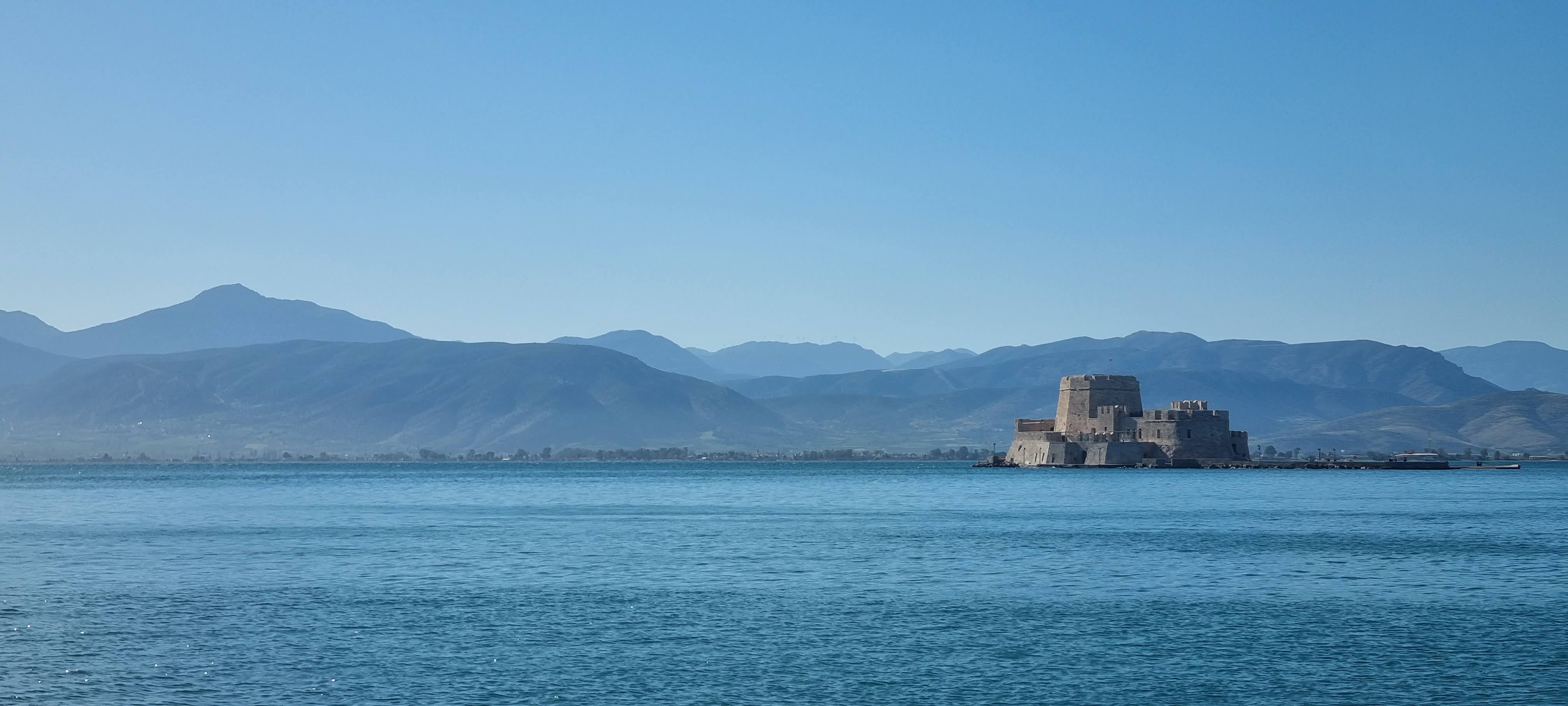
Then it was on to Nafplio, a gorgeous seaside town with Venetian charm. we LOVED it here. we had a really good place to stay and felt like the town had a really nice friendly, vibrant feel to it.

Nafplio Highlights:

  • Hike up to Palamidi Fortress for sweeping views
  • Meander through the Old Town
  • Enjoy a seafood dinner by the harbour
  • More gyros

Day Trip from Nafplio: Epidaurus

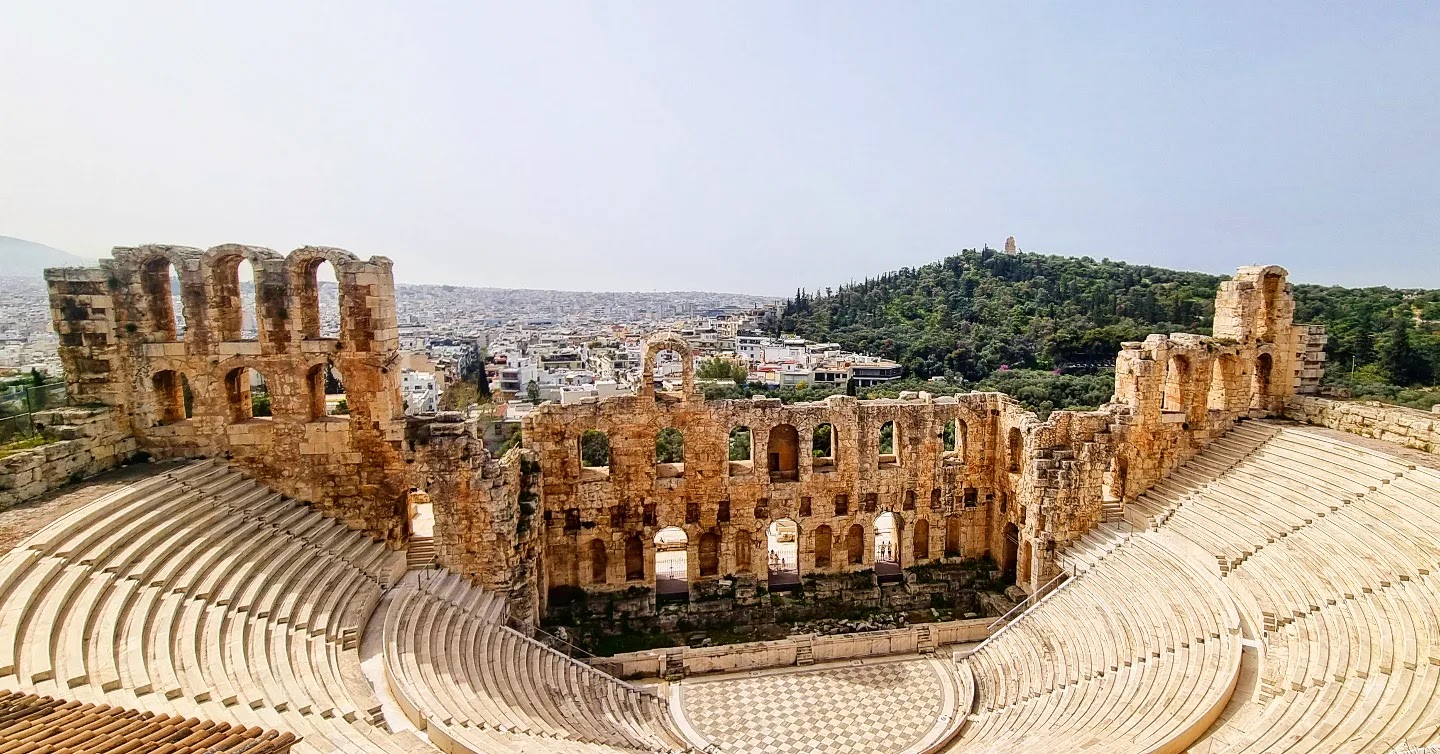
From Nafplio, we took a short drive to Epidaurus to visit its renowned ancient theatre. Still used for performances today, the theatre is especially famous for its incredible acoustics—you can hear someone speaking from the stage even in the highest seats. The structure is remarkably well preserved, and exploring it really gives you a sense of the scale and engineering of ancient Greek architecture. It was a great day trip and definitely worth the drive. The kids even enjoyed it!


Days 8–9: Kalamata, Mystras & Ancient Olympia

We continued down to Kalamata—not overly exciting but we wanted to see more of the Peloponnese and it made a great detor between Napflio and Ancient Olympia.

On the way we popped into Mystras, which was really beautiful and totally empty! It’s quite the hike uphill but really worth it. The views were incredible, I am partial to a good view.

We only stayed in Kalamata one night but then carried on up to Olympia. Olympia was predictably pretty busy but still worth a trip. I imagine it would be very hot and very crowded in summer but it was definitely worth it.


Days 10–13: Kefalonia – Beaches, Argostoli & Fiskardo

Time to hit the Ionian Islands! We booked ferry tickets through Direct Ferries about 3 days before sailing and headed to Kefalonia. I imagine you would need to book in advance during the summer months but in April it was almost empty and very easy to be flexible. We stayed in the biggest town on the island, Argostoli. As it was just before the tourist season started, we wanted to stay somewhere we knew would have shops and restaurants open.

Top Kefalonia Moments:

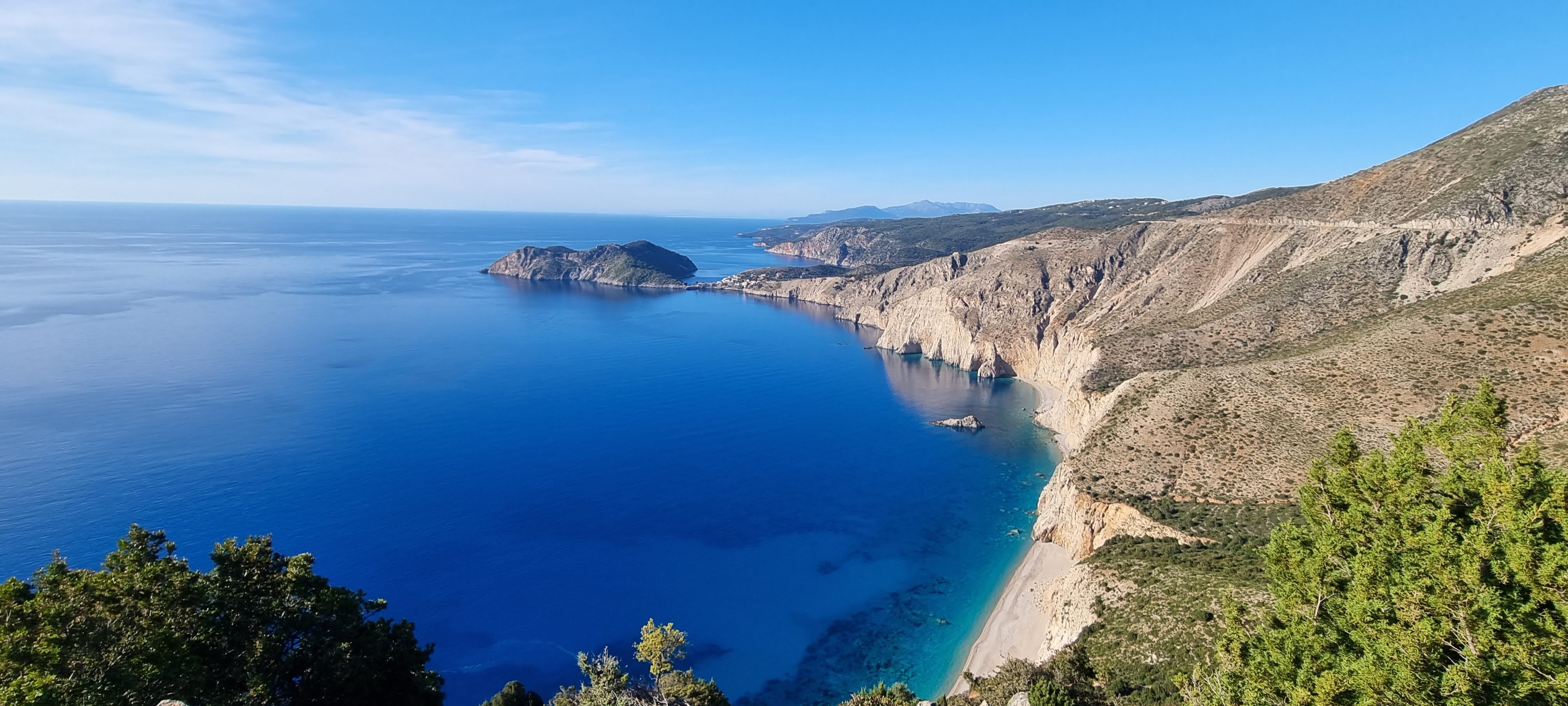
  • Myrtos Beach – Dramatic cliffs and turquoise waters
  • Antisamos – Secluded and stunning
  • Agia Kiriaki beach – deserted, remote and beautiful
  • Fiskardo – A lovely harbour village up north
  • Turtle spotting in Argostoli harbour

Having a car here was a must. We explored beaches, villages, and viewpoints without needing a plan. The roads were almost deserted so driving was very easy. It was stunning and, for us, a perfect time to visit. We really loved Kefalonia. The only previous trip to Greece I had only been on a package holiday to Crete in 1997 so I had no idea what the Greek islands were really like; now I can’t wait to explore more.


Final Stop: Delphi & Return to Athens

On our way back to Athens, we made one last stop in Delphi. It was more crowded than we expected, but it didn’t really matter. The setting is incredible—steep mountains and sweeping, stunning views. Walking among the ruins, as cheesy as it sounds, you can really feel the history.

For all of the ancient sites, there is a different price for EU and non-EU and the difference s quite significant, especially when paying for five people. Another reason to hate Brexit.

Final thoughts on our Greek road trip

This trip was one of those rare ones that just worked—for all of us. Greece in April was a dream: warm enough for beaches, cool enough for sightseeing, and quiet enough that we never felt rushed or overwhelmed. Travelling with kids can be unpredictable, but Greece made it easy. There was space to slow down, plenty of flexibility, and so many “wow” moments—from ancient ruins to turtle spotting to spontaneous beach stops.

Having a car gave us the freedom to explore at our own pace (and change plans when needed), and the variety—from the culture and history of Athens to the laid-back island vibe of Kefalonia—meant everyone found something they loved. If you’re a family looking for a mix of adventure, education, and relaxation—without the chaos or high prices of peak season—Greece in spring might just be your perfect trip, too

Essential Albania Travel Tips: Currency, Driving, SIM Cards & More

Follow our travels on Instagram

Planning a trip to Albania? Here’s everything you need to know before you go—from currency exchange and border crossings to mobile SIM cards, car rentals, and driving laws. This guide will help you travel with confidence and avoid surprises.

1. Currency and Payments in Albania

While using a card is sometimes possible, it’s highly unreliable and definitely not something you can count on. We had to pay for petrol with cash more than once, and I wasn’t able to use my phone at all

You can’t get Albanian Lek outside of Albania as it’s a closed currency, and once you leave the country, it’s difficult—if not impossible—to exchange it back to your home currency. Euros, however, are widely accepted, so I recommend bringing cash in euros and exchanging it at the airport upon arrival. At the time of writing, the exchange rate was around 1 euro to 100 Lek, and that rate stayed fairly consistent.

On top of that, withdrawing cash in Albania is more expensive than anywhere else we’ve travelled. If you do need to take out cash, never accept the bank’s offered exchange rate. You’ll usually be given the option—just press ‘No’ to decline their rate. This tip can save you money almost anywhere, but we found it especially important in Albania.

2. Driving in Albania: What You Need to Know

You might hear that driving in Albania is risky, but that wasn’t our experience at all. While city traffic can be a bit hectic and requires your full attention, once you’re beyond the urban centres, the roads are generally calm and easy to navigate. Renting a car is straightforward, with plenty of options available right at the airport.

We paid around €410 for a two-week hire car, which included an additional €23.50 per day for comprehensive “no-questions-asked” insurance. We chose this extra coverage after hearing some warnings about driving conditions—but in the end, we never needed it. Still, the peace of mind it provided was well worth it.

3. Border Crossings and Documentation

You will need the permission of the hire car company to cross into any of the countries bordering Albania. It’s straightforward to do, but at the border they will ask for your car paperwork and you will need proof of permission. It was €50 (included in the price mentioned above). At the border with Montenegro you will also need a green card for your car (€15, slightly more in Lek). You can get it there and it’s very simple. Border crossings are not a hassle but they do take a bit of time.

4. Staying Connected: SIM Cards and Mobile Data

We do this everywhere we go now. It is hassle free and makes so much difference to us on a practical level. As Albania is not in the EU, those coming from the UK (like us) generally will not have it included in their existing data package. We just get them at the airport and it was around €25 for 40gb.

5. Safety and Law Enforcement Presence

We didn’t get stopped at all on the roads and there’s no reason why you should have any problems, but the police were definitely a presence and usually stopping people for speeding. If people flash you or gesture to you when you’re driving, it is likely there are police ahead. Keep to the speed limits, carry all the documentation you need and you’ll be fine.

6. Fuel Costs and Availability

Petrol was noticeably expensive compared to other local prices — likely on par with, if not slightly more than, what you’d pay in the UK, where it’s already considered costly. There were plenty of petrol stations around, but it’s worth noting that some, especially in more rural areas, only accepted cash.

7. Don’t always believe Google maps

Google maps took us some very strange ways at times. We use the Maps app all the time and usually it is fine but if your instinct in telling you to not go up that very narrow cobbled road when you’re looking to go downhill and onto the main road, consider going with your gut.

8. The vegetarian scene is limited

We have several vegetarians in our family, and while we were able to find something to eat, the choices were definitely limited. Let’s just say it’s a good thing we enjoy margarita pizza, Greek salad, and vegetarian souvlaki — because those ended up being our go-to meals more often than not! Not that I’m complaining, I could live on souvlaki.

Albania is a country full of surprises—rich in culture, natural beauty, and warm hospitality. While some aspects of travel here may differ from other European destinations, being prepared with the right information can make your experience not only smoother but far more enjoyable. From navigating border crossings and understanding local currency to staying connected and safe on the roads, these practical tips are designed to help you travel Albania with confidence. Whether you’re road-tripping through the mountains, exploring coastal towns, or just passing through, a little preparation goes a long way in making the most of your Albanian adventure.

Camping in the City of Lights: Our Stay at Camping de Paris

Follow our travels on Instagram

When you think of Paris, camping probably isn’t the first thing that pops into your mind, right? Well, that’s exactly what we thought—until we pitched our tent at Camping de Paris, nestled in the leafy 16th arrondissement along the Seine. Suddenly, we discovered a whole new way to experience the City of Lights. It was affordable, gave the kids plenty of space to run around, and still kept us close enough to all the Parisian magic.

We were on our way back up north to catch our shuttle home, and as we were passing through, we decided to finally check Paris off our list. The kids were always talking about how they’d been to places like Bangkok but never actually visited Paris—so we made it happen, and camping turned out to be the perfect way to do it!

Everything We Needed, Right on Site

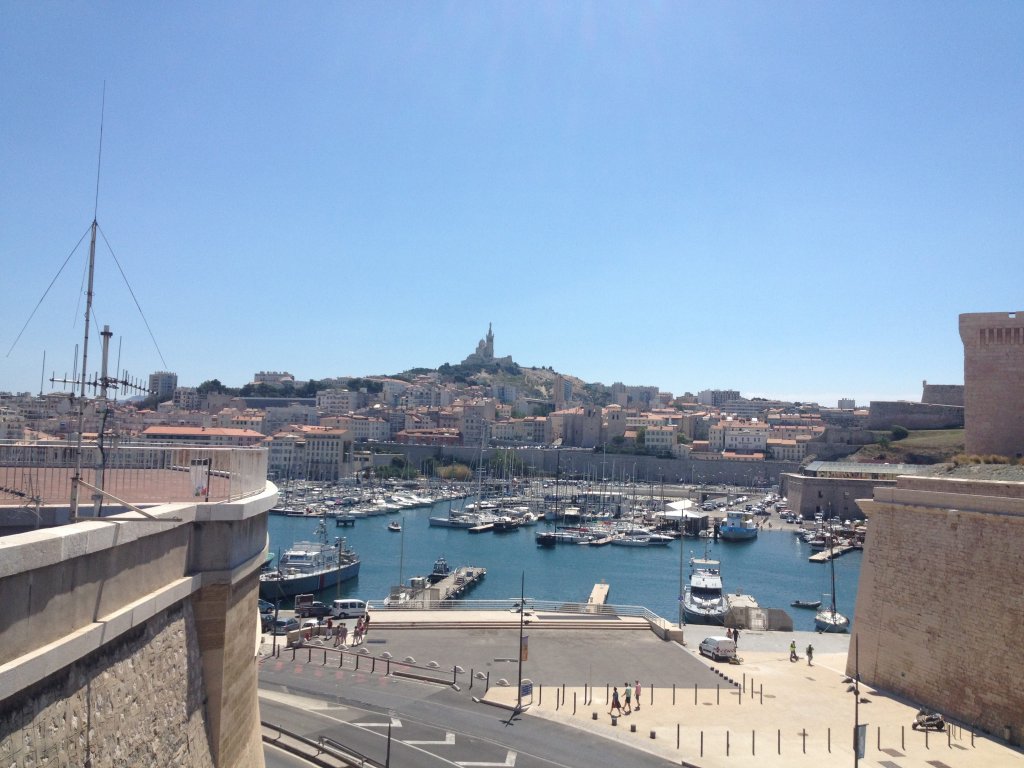
The campsite turned out to be way more spacious than we expected, with fantastic, clean facilities and a really relaxed atmosphere. There’s a central lodge where we could kick back, grab a drink, or even borrow a board game for some family fun. On top of that, there’s a restaurant, a handy grocery shop for essentials and during the warmer months, a food truck rolls in with tasty bites.
While we usually cooked up our own meals at our pitch, by the end of the trip, we’re always ready to switch it up and let someone else do the cooking. The on-site restaurant didn’t disappoint—it had a solid menu that catered to both the adults and the kids, making it the perfect spot to unwind without the hassle of grocery shopping or cooking.

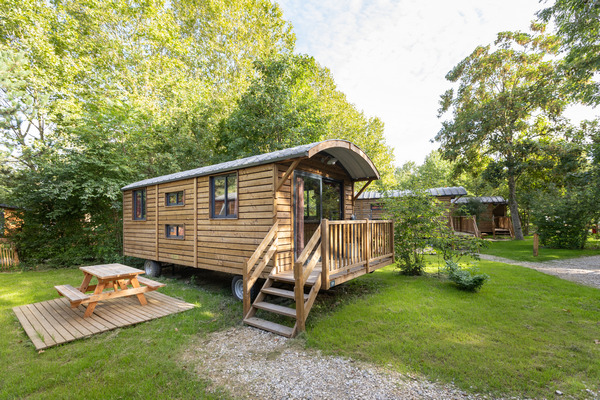
We camped, but there are also chalets, wood trailers and pre-erected canvas tents so there are plenty of options if you’d prefer a little more comfort to an air bed and a little more convenience than having to put up a tent.

Easy Access to the City

The real bonus? Although we were surrounded by nature, getting into the heart of Paris was quick and easy. A shuttle bus runs directly from the campsite to Porte Maillot, where you can hop on the metro and reach major landmarks like the Eiffel Tower and the Louvre in under 30 minutes.

We spent our days sightseeing and our evenings winding down on the campsite—letting the kids ride their bikes, enjoying an apperitif sitting outside our tent in the warmth of the evening and enjoying the rare calm you don’t usually associate with big city trips.

Note: the shuttle doesn’t run too late in the evening, so we made sure to plan our returns accordingly.

Final Thoughts

Our stay at Camping de Paris gave us a completely different kind of Parisian experience. It was relaxed, affordable, and genuinely memorable. We still got to see all the famous sights, but we also had time to slow down, breathe, and enjoy the things we love about camping. We initially booked it because there weren’t any other camping options as close to the centre, but I was really surprised at the quality of the site and the facilites available, all so close to one of the most iconic capitals in the world.

If you’re a family looking for a base that’s calm, convenient, and a little unconventional, we highly recommend it and we’d definitely go back. Paris has never felt more accessible.!

Marseille

Marseille: France’s Gritty, Gorgeous Mediterranean Gem

Perched on the sun-soaked southern coast of France, Marseille is a city that defies clichés. It’s not your polished, postcard-perfect destination like Paris or Nice—but that’s exactly what gives it soul. France’s oldest city, founded by Greek sailors over 2,600 years ago, is a mix of cultures, history, and raw Mediterranean energy.

A Melting Pot of Cultures

Marseille’s identity is deeply rooted in immigration and trade. From North Africa to Italy and the Comoros Islands, its population is one of the most diverse in Europe. That mix is reflected in everything—from the languages spoken on the street to the scent of spices in the air and the rhythm of daily life.

The Vieux-Port (Old Port)

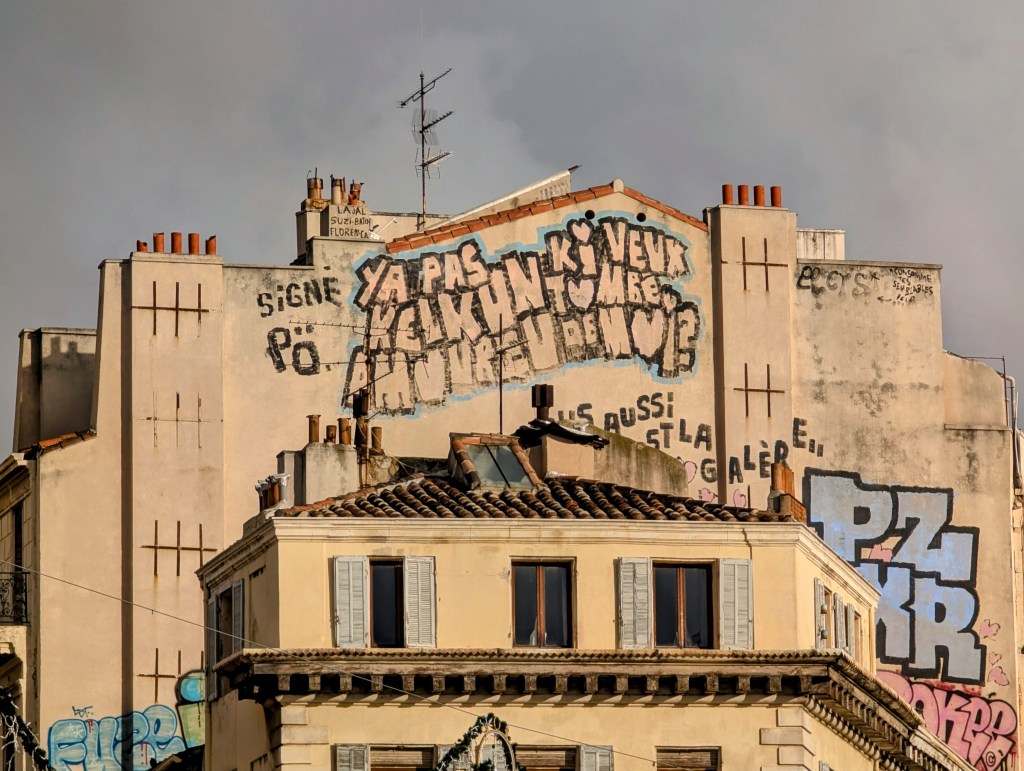
This is where the heart of the city beats loudest. Colourful boats bob in the water, fishmongers sell the catch of the day at dawn, and cafés spill out onto pavements—perfect for sipping a pastis and watching the world go by. It’s been the city’s commercial and cultural hub since antiquity.

La Canebière: The City’s Grand Avenue

One of the most iconic streets in Marseille, La Canebière is often referred to as the city’s “spine.” This bustling, wide avenue stretches from the Vieux-Port to the Réformés district and is lined with grand buildings, shops, cafés, and historic landmarks. It’s a street full of life and energy, offering a glimpse into Marseille’s vibrant past and modern-day hustle. While some parts of La Canebière can feel a bit worn, the street exudes a sense of nostalgia and character that perfectly complements the city’s rugged charm. It’s a great spot for a leisurely walk, where you can admire the architecture, stop for a coffee, and feel the pulse of the city.

Cours Julien: The Bohemiam Heart of Marseille

If you’re looking for a lively, bohemian vibe, Cours Julien is the place to be. Known for its vibrant street art, quirky cafés, and independent boutiques, this district is a creative hub of Marseille. The area has a laid-back, eclectic feel, with colourful murals covering every available surface and a mix of cool bars where the locals gather. It’s a great spot for evening drinks, people-watching, or simply soaking in the artsy atmosphere. The area also hosts a lively weekly market, where you can pick up fresh local produce, handmade goods, or vintage treasures. Don’t forget to check out La Friche la Belle de Mai, a former industrial site turned cultural centre, offering everything from art exhibitions to outdoor concerts and theatre performances.

Hidden Gems in the City

Marseille is full of tucked-away spots that will make you feel like a local. Take a stroll through Le Panier, the city’s oldest district, with its narrow, winding streets and colourful houses that look straight out of a painting. The small squares are dotted with quaint cafés, and hidden courtyards reveal some of the city’s most charming corners. Another must-see is the Palais des Congrès—an unexpected oasis of green and peace tucked away behind the noise of the city, perfect for a quiet afternoon.
Marseille’s City Beaches and Le Lecques

While Marseille is a bustling port city, it’s also home to some surprisingly beautiful urban beaches. Plage des Catalans, located near the Vieux-Port, is the most popular city beach, where locals sunbathe and swim right in the heart of the action. For a quieter escape, head to Plage du Prado, a long stretch of sand perfect for a day of relaxation, picnicking, or a stroll along the seafront. But if you’re willing to venture a little further, Le Lecques—about 45 minutes from Marseille—is a serene beach destination in the neighbouring town of Saint-Cyr-sur-Mer. Known for its crystal-clear waters, golden sands, and relaxed atmosphere, Le Lecques is ideal for a day trip from the city. It’s a fantastic spot for swimming, sunbathing, and enjoying the coastal beauty away from the crowds.

History Meets Modern Cool

Marseille blends the ancient and the contemporary with ease. Wander the historic Le Panier district with its narrow alleys and pastel façades, then head over to the bold, modern architecture of MuCEM (Museum of European and Mediterranean Civilisations). Street art is everywhere—raw, political, and vibrant.

The Calanques: Nature’s Surprise

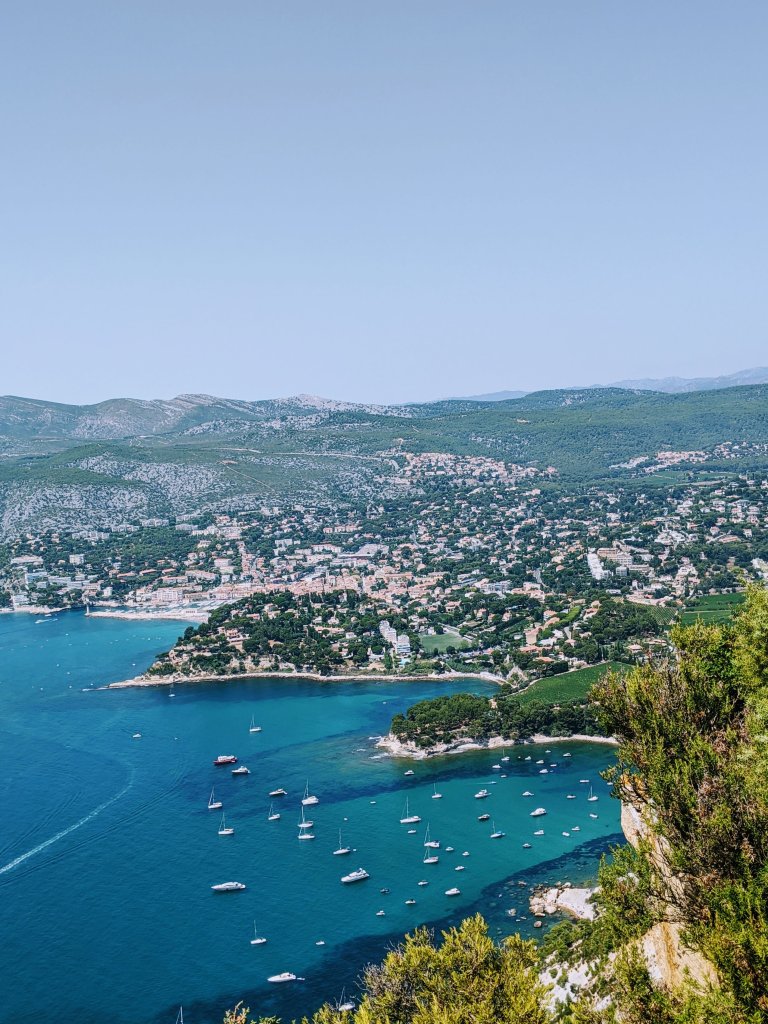
Just a short drive or boat ride from the city buzz, the Calanques National Park offers dramatic white limestone cliffs plunging into turquoise waters—an adventurer’s dream for hikers, climbers, and swimmers.

Food, Glorious Food

You can’t leave without sampling bouillabaisse, the city’s iconic fish stew. But also explore couscous restaurants, North African pastries, and lively markets like Noailles, where French, Maghrebi, and Middle Eastern flavours collide. For a more intimate experience, try the Café de la Banque in the heart of Noailles—a great place to taste traditional dishes, where the flavours of Marseille are celebrated in every bite.

How to get to Marseille

If you’re flying from the UK, Marseille Provence Airport (MRS) is well-connected to several major cities:

  • London: Direct flights are available from London Heathrow (LHR), London Gatwick (LGW), and London Stansted (STN). Airlines such as British Airways, easyJet, and Ryanair offer regular services. Prices can start as low as £23.99 for one-way tickets (easyjet.com).
  • Manchester: Direct flights are available from Manchester Airport (MAN), with airlines like easyJet offering services starting from £191 for round-trip tickets (wwws.airfrance.co.uk).
  • Edinburgh: Direct flights are available from Edinburgh Airport (EDI), with round-trip fares starting from £164 (wwws.airfrance.co.uk).
  • Bristol: Direct flights are available from Bristol Airport (BRS), with fares starting from £23.99 (easyjet.com).

Once you arrive at Marseille Provence Airport, it’s approximately a 25-minute drive or a 30-minute bus ride to the city centre.

Real, Rough, and Unapologetically Itself

Marseille isn’t trying to be anything other than what it is—gritty, proud, beautiful in its imperfections, and endlessly fascinating. It’s a city for travellers who like their destinations with a bit of edge and a whole lot of heart.

Tallinn Christmas Market 2024: A Magical Winter Experience in Estonia

Follow our travels on Instagram

Discover the charm of the Tallinn Christmas Market in Estonia’s Old Town. Explore festive stalls, savour traditional treats, and immerse yourself in a winter wonderland perfect for families.

After going to Vilnius and Riga earlier on in the year, I was really keen to go to Estonia and I heard the Christmas market there could be a perfect first trip.

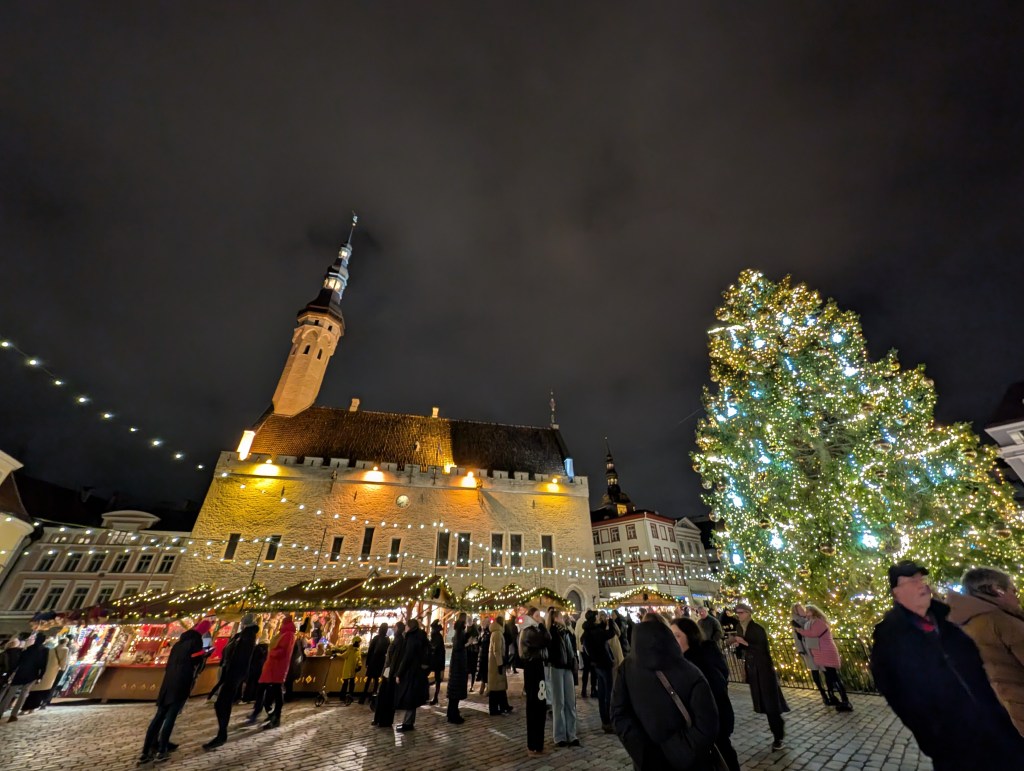
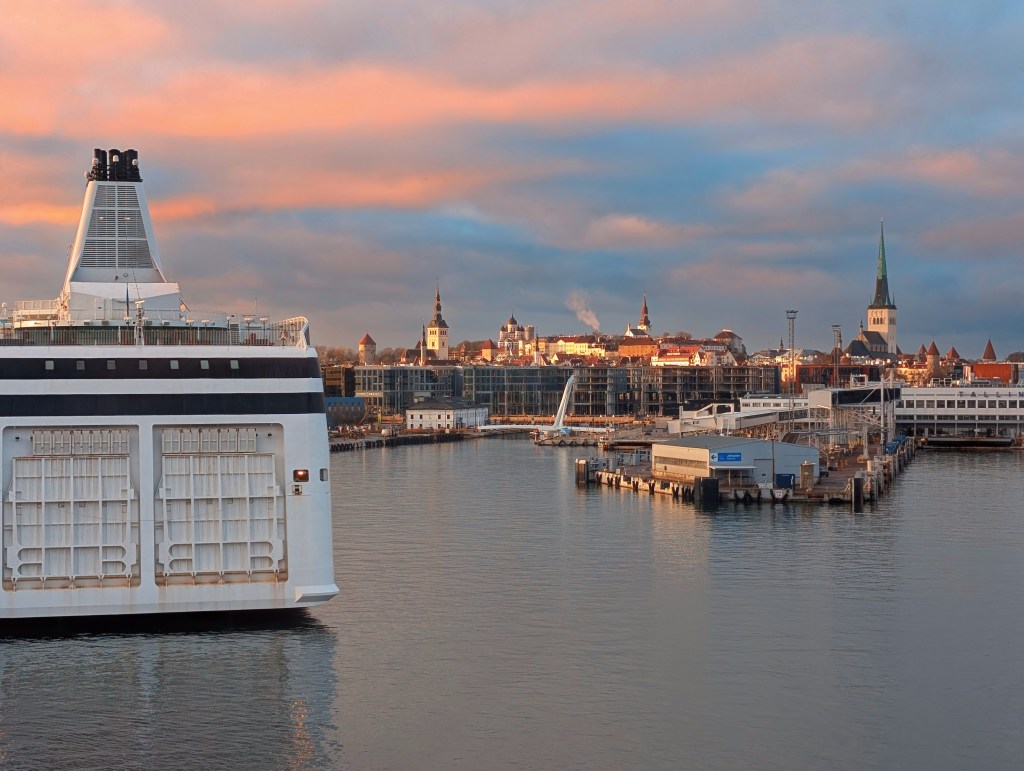
The Tallinn Christmas Market, held in the city’s medieval Town Hall Square, is a popular winter event featuring local crafts, seasonal food, and festive lights. Set against the backdrop of historic buildings and a large Christmas tree, it offers a cosy, low-key Christmas experience in the heart of the Old Town. I took my daughter, Megan, at the end of November for a quick two-night break, and while we didn’t get any snow (sadly!), we still completely fell in love with Tallinn. The market’s relaxed, storybook atmosphere felt magical without being overwhelming—something she’s already asking to do again next year. It’s the kind of trip that feels like the start of a lovely new Christmas tradition. Below is an overview and some general thoughts, in case you’re planning your own trip to the Baltics for a festive getaway.

Where to stay

We stayed inside the walls of the old town and I was really pleased we did. I found this really cute, warm, and cosy apartment on Booking.com that turned out to be perfect for the two of us. It had everything we needed, with a welcoming vibe that made it feel like a little home away from home. The best part? It was just a three-minute walk from the Christmas market, which made it super easy to pop in and out throughout the day. Being right in the heart of the Old Town, the location couldn’t have been better—cobbled streets, historic buildings, and that festive charm around every corner.

What to expect

If you’re looking for a huge, bustling Christmas market packed with crowds and nonstop action, Tallinn might not tick all the boxes—but that’s exactly why we loved it. The market has a smaller, more intimate feel, with just the right amount of festive charm. Maybe it was because we visited earlier in the season, but the atmosphere was calm and relaxed—we could browse the stalls, grab a bite to eat, and soak up the twinkling lights without ever feeling rushed or overwhelmed. It’s definitely a market you can see in one evening, so if you’re after a longer trip, consider pairing it with a few days in Helsinki or Riga—both are just a ferry or short flight away. That said, we did notice some of the stalls changed over the couple of days we were there, which kept things fresh and made it worth going back for another wander. Also, it just feels like a nice place to hang out and grab a mulled wine!

Tips for Visiting with Family

Wander around the town

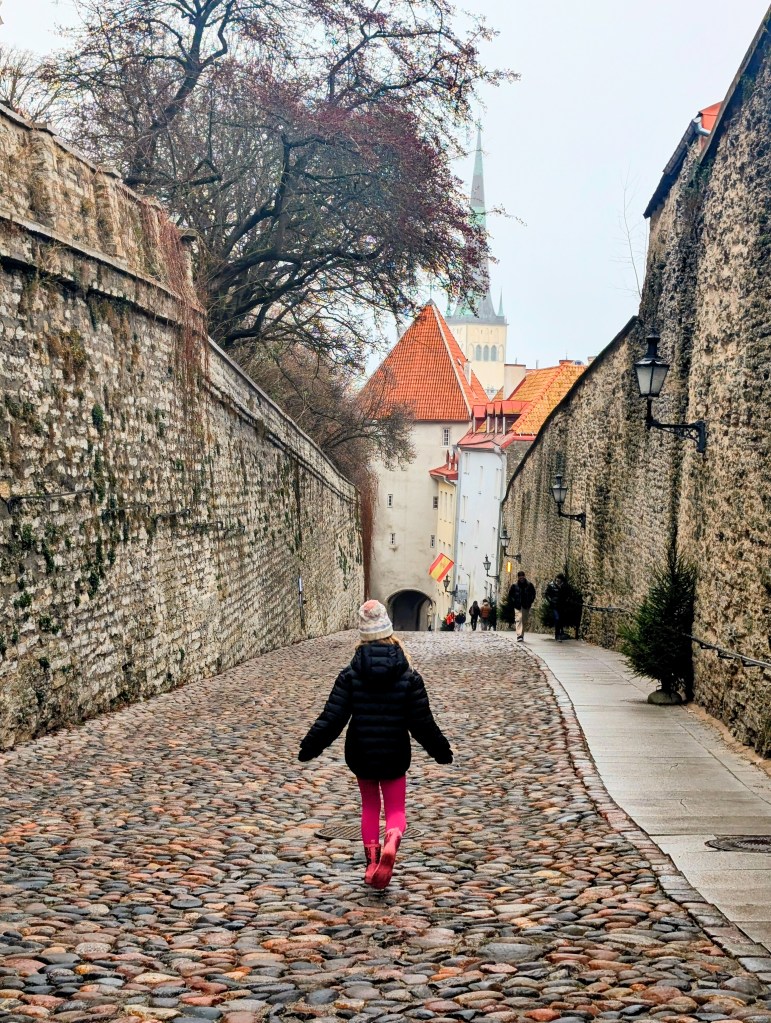
Beyond the magic of the Christmas market, Tallinn itself is a dream to wander through. Even though we caught it on a gray, drizzly day, the charm of the old town still shone through—and I can only imagine how magical it would be under a fresh blanket of snow or with a bit of winter sun lighting up the rooftops. Take some time to stroll along the ancient city walls and lose yourself in the winding cobblestone streets. There’s a real fairy-tale feel here, with medieval towers poking up between colorful buildings, ivy-covered archways, and tucked-away courtyards that make you feel like you’ve stepped into another era. One of the best things you can do is just wander with no agenda—chances are, you’ll stumble upon a cozy little café, a quirky boutique, or a breathtaking view from one of the city’s many lookout points.

Take day trip to Helsinki

Megan is the kind of person who’s always on the go so even though we were only in Tallinn for a couple of days, she was determined to make the most of it. We found ferry tickets to Helsinki online here and before we knew it, we were sailing across the Baltic. The tram from the ferry terminal in Helsinki took us straight into the heart of the city, which made things super easy. The Christmas market there wasn’t quite what we hoped for—less festive and a lot more crowded than Tallinn’s—but it still had its moments. We caught some Finnish carols, Megan had a sweet moment meeting Santa, and we both warmed up with hot chocolate and mulled wine.

Vegetarian options

While Tallinn does offer a growing number of vegetarian and vegan-friendly spots, especially within the city itself, the local market scene still leans heavily toward traditional, meat-based fare. Walking through the markets, you’ll find stalls brimming with cured meats, sausages, and hearty stews—delicious, no doubt, but not ideal if you’re plant-based. That said, we did manage to find a couple of cosy restaurants tucked just off the main square that had a more diverse menu.

Other practicalities

We took a Ryanair flight from Stansted, and I decided to splurge just a little on convenience—we booked the Green Multi-Storey parking at the airport. It’s a bit pricier than the long-stay options, but being able to stroll right from the car to the terminal was totally worth it (especially when you’re juggling early flights and a tired child). After landing in Tallinn, we hopped on the number 2 bus to the city centre. Tickets were just €2 each and easy to grab from the machine at the bus stop (cards accepted). The ride only took about 15 minutes, and then just a five minute walk to our accommodation. We also got the bus back to the airport at the end of our stay

All in all this was a perfect little break with enough to do for a couple of days but it was by no means overwhelming, which sometimes I think Christmas markets can be. Now for planning the next one…

Lille Christmas Market 2024: A Magical Family Christmas Getaway from the UK

Follow our travels on instagram

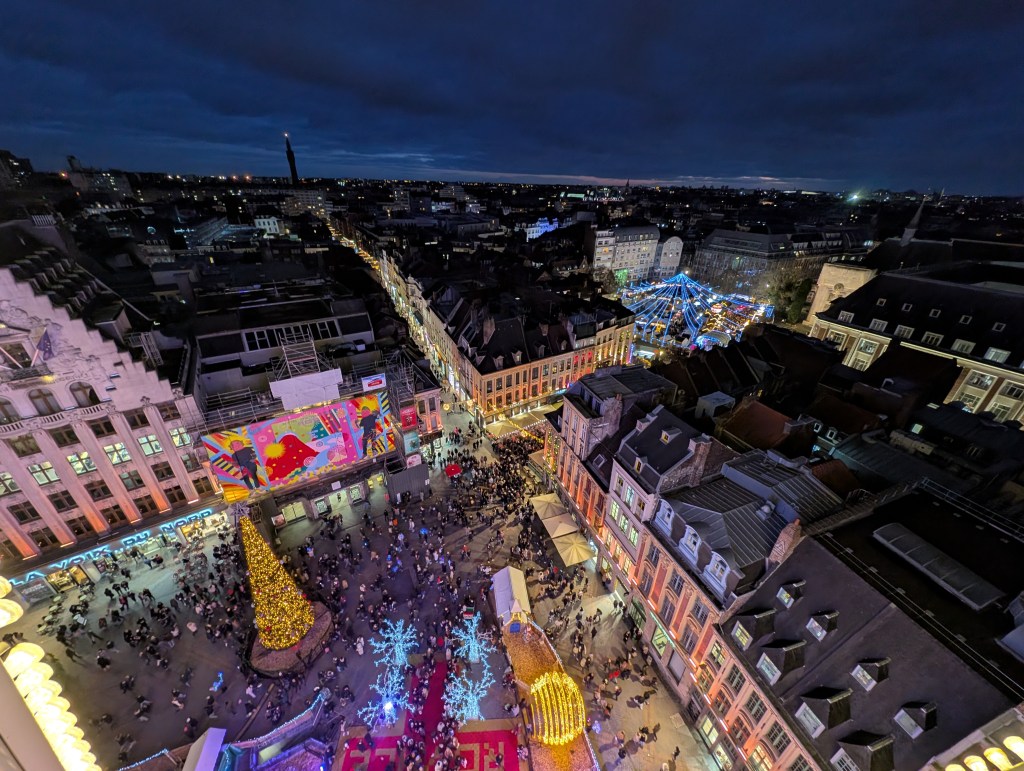
If you’re after a fun and festive way to soak up some Christmas spirit, Lille is a brilliant little getaway—especially since it’s just a short hop from the UK. Right in the heart of the city at Place Rihour, there’s a Christmas market with rows of wooden chalets selling everything from handmade gifts to delicious seasonal treats. Just around the corner in Grand Place, there’s a huge Ferris wheel that gives you amazing views over the city (especially magical at night!).

Our Family Experience in Lille

We went just before Christmas 2024, and it was such a lovely pre-holiday escape. On top of Lille, we also squeezed in quick visits to Ghent and Ypres while we were in the area—both were absolutely worth it.

Lille’s Christmas market isn’t one of the massive ones, so it’s a bit more low-key—which we liked. That said, the market area itself does get pretty packed, as it’s tucked into a fairly small space. Honestly, we enjoyed just wandering around the rest of the city centre more—it’s beautifully lit and feels really festive without being shoulder-to-shoulder crowded. But I’ve got to say, the vin chaud at the market hit the spot, and the kids were all about the hot chocolate and churros. The Ferris wheel was a real highlight—such a fun way to see the city all lit up.

Getting There: We Drove via Le Shuttle

While Lille is easily accessible by Eurostar, we chose to drive from the UK using Le Shuttle through the Channel Tunnel. The journey was straightforward and gave us the flexibility to pack everything we needed for a winter break with kids.

Driving also meant we could explore at our own pace and enjoy the convenience of having our car with us in France. From Calais, Lille is just a 1 hour 15 minute drive, mostly on motorways, making it a great option for families who prefer road trips.

Other Ways to Reach Lille from the UK

If driving isn’t your style, the Eurostar from London St Pancras gets you to Lille in under 90 minutes. It’s a brilliant no-fuss option, dropping you right in the city centre. Alternatively, you could fly into Brussels or Paris and take a connecting train to Lille.

Where to stay: Family Friendly Tips

We booked a central apartment with parking, which was perfect for our needs. Being close to the market meant we could return for breaks, warm up, and prepare simple meals. This flexibility made the whole trip more relaxed, especially with the kids.

While we didn’t find many overtly child-focused restaurants, Lille has plenty of bakeries, crêperies, and brasseries where families are welcome and well-fed.

More Things to do in Lille at Christmas

Outside the market, Vieux Lille (Old Town) is beautiful to explore in winter—cobbled streets, Flemish-style buildings, boutique shops, and cosy cafés await. If you’ve got extra time, consider day trips to Ghent or Ypres, both of which are easy to reach by car or train.

Why is Lille perfect for Family Christmas Break

  • Great base for visiting Northern France and Belgium
  • Safe, walkable city centre ideal for children
  • Traditional market with food, gifts and fun rides
  • Cosy central accomodation with parking options
  • Drive via Le Shuttle or take the Eurostar from London

Family-Friendly Beaches in France: Top Picks

Discover top family-friendly beaches in France, from serene northern shores to sun-kissed southern coves.

Follow our travels on Instagram

France has an incredible variety of beaches, and honestly, there’s something for everyone. Up in the north, you’ll find wide, dramatic stretches of sand that are perfect for long walks and windswept views. Head south, and the vibe totally changes—think rocky coves, turquoise water, and that dreamy Mediterranean sunshine. Whether you’re into snorkeling, surfing, or just soaking up the sun with a book in hand, there’s a beach in France that’s calling your name.

We’ve explored quite a few over the years and recently stumbled upon some absolute gems—so we put together a little roundup of our favourites and exactly what makes them so special. Let’s dive in!

Les Lecques

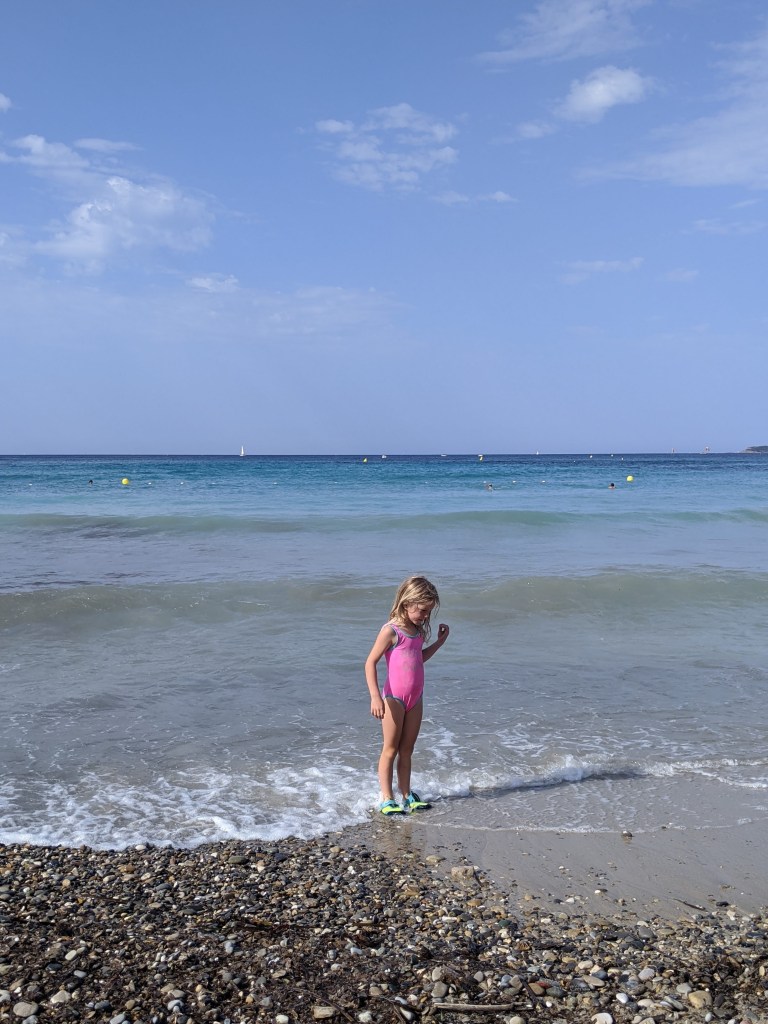
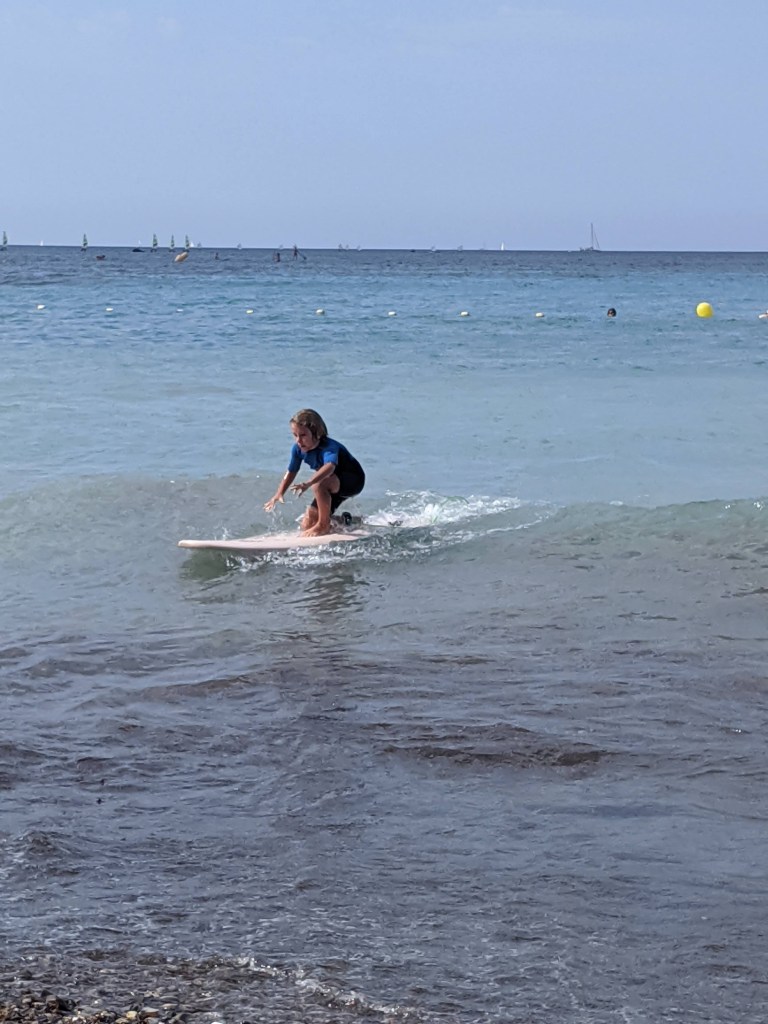
Located in the town of Saint-Cyr-sur-Mer on the southern coast of France, Les Lecques Beach is a hidden gem that offers a perfect blend of natural beauty and relaxation. Stretching along the Mediterranean, the beach boasts clear, turquoise waters and a scenic backdrop of lush hills, making it an ideal spot for sunbathing, swimming, or just soaking in the peaceful atmosphere. It’s especially family-friendly, with shallow waters perfect for kids to splash around in, and plenty of amenities like showers and sunbeds. We even hired surfboards and had the chance to catch some waves! Afterward, we treated ourselves to an incredible lunch at one of the seaside restaurants, where we had fresh, local seafood with a lovely beach view. Whether you’re into paddleboarding, sailing, or simply enjoying a delicious meal at the beach, Les Lecques has something for everyone. Located near the stunning Calanques National Park, it’s a great base to explore the region’s natural beauty, with nearby towns like Bandol and Cassis just a short drive away. Les Lecques really is a slice of Mediterranean paradise.

Les Lecques
Surfing at les Lecques

Mimizan

Mimizan Plage is a fantastic spot for a laid-back family beach holiday. The beach is wide and sandy, with gentle waves that are perfect for younger children to enjoy safely. We camped not too far away, which made it super convenient to spend full days by the sea. One of the highlights was hiring surfboards for the kids—while it wasn’t their first time surfing, the conditions here were ideal for them to keep practicing and building confidence. The smaller waves and friendly vibe make it a great place for kids to improve their skills without feeling overwhelmed. There’s also a lovely promenade nearby that’s perfect for family bike rides or evening strolls. And with plenty of beachside cafés offering kid-friendly menus, it was easy to keep everyone happy.

Mimizan Plage

Soulac-sur-Mer

We happened upon Soulac-sur-Mer by chance, and it quickly became one of our favourite beach spots along the Atlantic coast. Located in the Nouvelle-Aquitaine region of France, this beach offers the perfect blend of natural beauty, family friendly atmosphere and laid-back charm. The long stretch of golden sand is ideal for relaxing, building sandcastles, or soaking up the sun. It’s also a hotspot for surfing and kite surfing, drawing in water sports enthusiasts. The town itself has a cozy, small-town, laid back vibe complete with charming cafés and beachside restaurants where you can enjoy fresh seafood and sip on a cool drink while watching the sunset. Plus, the Soulac-sur-Mer Lighthouse nearby offers stunning views of the coastline. Whether you’re into water sports, beach walks, or just unwinding by the sea, Soulac-sur-Mer’s welcoming atmosphere makes it the perfect place to spend a day—or even longer!

The beach at Soulac-Sur- Mer

Bidart

We stumbled on Bidart Beach almost by accident, and it ended up being one of the highlights of our trip. Tucked along France’s Basque coast, it offers a great mix of natural beauty and a laid-back vibe that’s easy to appreciate. The coastline here is varied—cliffs, long stretches of sand, and reliable waves that make it a favorite for surfers. Some parts, like Parlementia, are more active, while others like Pavillon Royal are quieter and more secluded. What really surprised us was how many good places to eat are nearby. Within a short walk, you’ll find no-fuss spots serving fresh seafood, pintxos, and local dishes—all without the crowds you’d expect from more touristy beaches. If you’re in the area, it’s definitely worth a stop, even if you just have a few hours to spare.

Bidart beach

Le Touquet

Le Touquet-Paris-Plage is a charming seaside town on the northern coast of France, offering a delightful mix of natural beauty and sophistication. Once a luxurious getaway for Parisian elites in the early 20th century, it still exudes a glamorous, timeless atmosphere, with its beautiful Art Deco buildings and chic vibe. Unlike the warmer, more crowded beaches of the south, Le Touquet features a breezy, peaceful coastline that feels worlds away from the typical southern beach scene. We absolutely loved our time there—the kids had a blast playing in the calm waters, building sandcastles, and running around the wide sandy beach. It’s a fantastic spot for families, combining relaxation with plenty of space for fun, making it the perfect destination for a more tranquil, yet still lively, beach experience.

Le Touquet Plage

Plage de Peyreffite

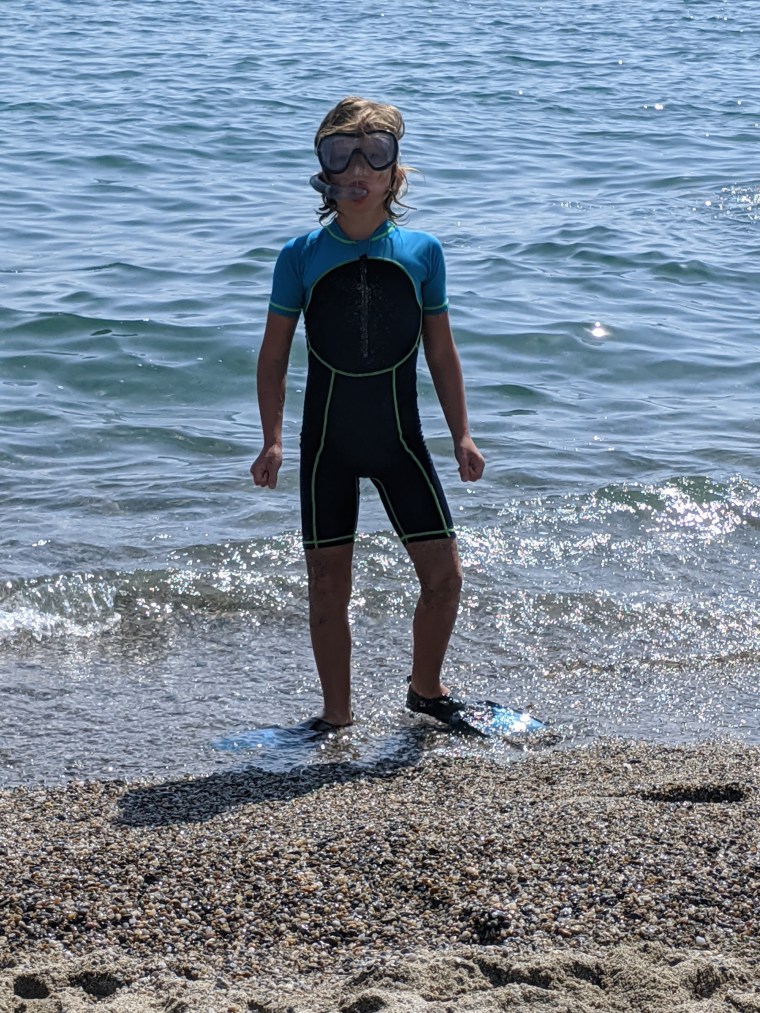
Snorkelling Peyrefite beach

If you’re looking for a family-friendly beach in the south of France, Plage de Peyrefite is a hidden gem near Cerbère, close to the Spanish border. This beautiful pebble beach offers stunning views of the Pyrenees and crystal-clear Mediterranean waters. The real highlight for our family was snorkelling – the kids loved exploring the marked underwater trail, where we all discovered vibrant marine life in the Cerbère-Banyuls Marine Nature Reserve. Such a great activity for the kids and felt so safe. The beach is perfect for families, with lifeguards in the summer, toilets, showers, and accessible facilities. With nearby parking and activities like walking along the scenic coastal path, it’s an ideal spot to relax and explore. This is the perfect destination for a fun, active family beach day in southern France!