11 Things we loved doing in Korea in October


Follow our travels on Instagram

October is one of the most beautiful months to visit South Korea. The air is crisp, the maple trees are turning red and gold, and family-friendly attractions are less crowded after the summer rush. Average temperatures range from 15–22°C (59–72°F) — perfect for outdoor adventures.

We actually ended up visiting Korea completely on a whim — a severe weather warning hit just as we landed in Manila, and we did what any slightly panicked family would do: we booked flights to South Korea! And honestly, it turned out to be one of the best decisions of the trip. We got to explore an incredible country in our own way. We’re not the type to stick to the usual “kid-friendly” checklist — theme parks and purely children-focused attractions aren’t usually our style unless there’s a strong cultural twist. What we really loved were the experiences that gave us a sense of the country, the culture, and a bit of adventure along the way. These are the highlights from our 10 days in Korea that the whole family genuinely enjoyed:

1. Step Back in Time at Gyeongbokgung Palace (Seoul)

Built in 1395, this royal palace is the heart of Seoul’s history. Rent a hanbok (traditional Korean outfit) nearby for free entry and gorgeous/slightly comedy photos (we didn’t do this as we thought it might be inappropriate…but apparently not!

Don’t miss the Changing of the Guard ceremony that happens twice a day.
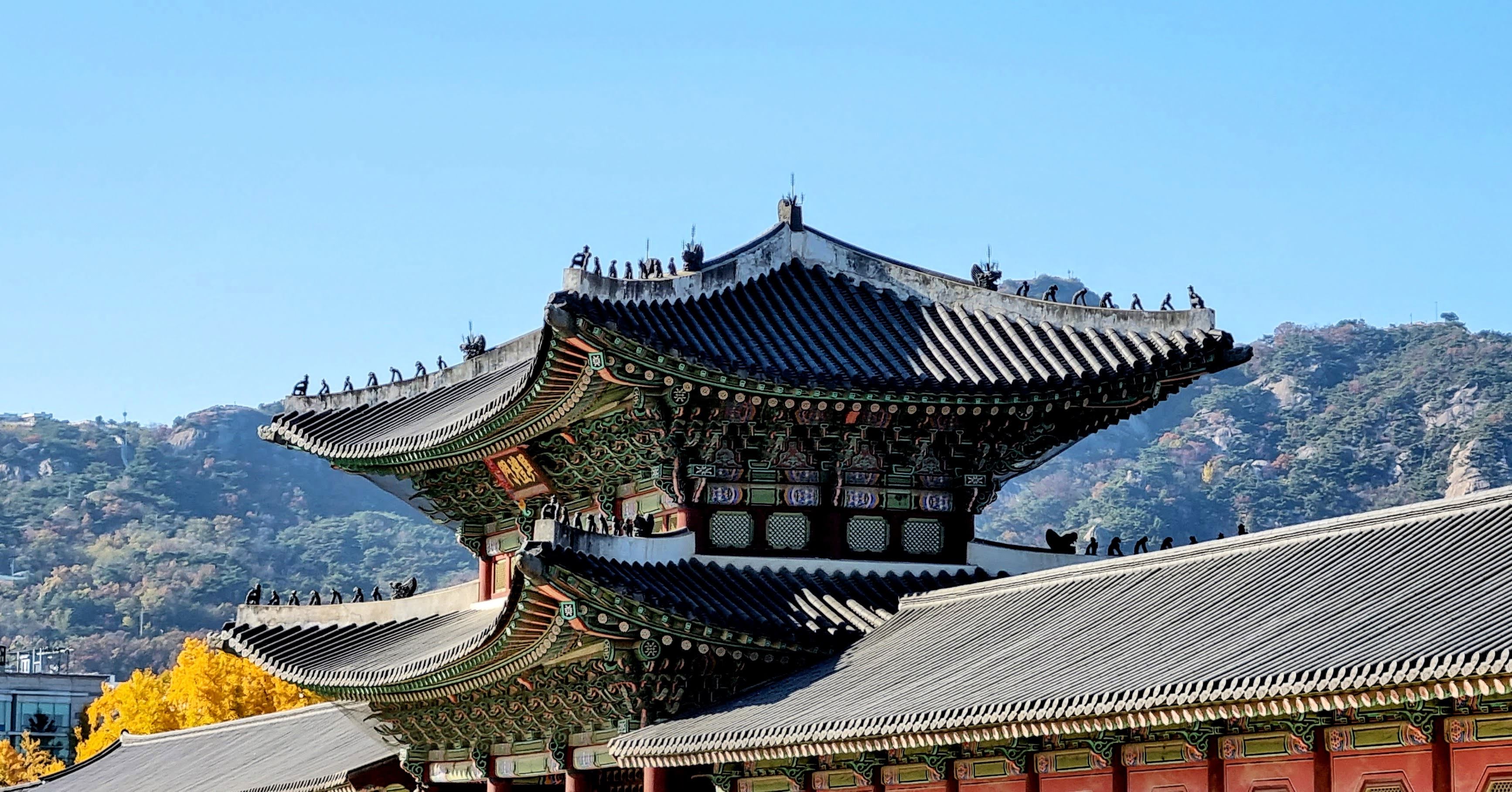
Gyeongbokgung Palace

2. Wander Through Bukchon Hanok Village

Bukchon Hanok Village is one of the best places in Seoul to experience traditional Korean culture with kids. 🏯 The neighborhood is filled with beautifully preserved hanok (traditional wooden houses), narrow alleys, and small craft shops. Families can explore at their own pace — stop for tea, try on hanbok for fun photos, or visit a few of the local art galleries and workshops. It’s a great spot to show kids how old and new Seoul come together, with quiet courtyards just a short walk from the busy city streets. Don’t miss the viewpoints overlooking the rooftops — they make for some of the best family photos in Seoul..

Bukchon

3. Eat Your Way Through Seoul’s Street Food Markets

Korea is a foodie’s paradise and markets are at their best in autumn. At Gwangjang Market, try spicy tteokbokki, mung bean pancakes, and mayak gimbap (addictive mini seaweed rolls). In Myeongdong, you’ll find sweet hotteok, lobster skewers, as well as plenty of sweet treats — hotteok (syrup pancakes), corn dogs, and roasted chestnuts. We tried everything. some things worked and others were maybe a bit out there for the kids, but food is a big part of our travels, particularly street food, and Seoul definitely didn’t disappoint.

Seoul food markets

4. See Seoul from the N Seoul Tower

Head up N Seoul Tower for panoramic views but if you don’t want to pay to do that, you can also see incredible views for free around the tower. There’s some places to buy drinks and souvenirs as well as a very phot worthy, cute padlock collection. There’s also a photo booth! We went during the day and for sunset and honestly, the views are totally sensational. Definitely a must do in my book.

Views of Seoul
Views of Seoul at sunset

5. Visit Suwon

Suwon ended up being one of our favourite day trips from Seoul. We got the train which was easy and cheap. We loved walking along the Hwaseong Fortress walls — the views of the city below were amazing, and the gentle slopes made it easy even for the kids. Along the way, we stopped to do some of the hands on activities, grabbed some snacks from a nearby stall, and just enjoyed stroll. Walking the walls was also free which was a bonus!

Old and new Suwon

6. Take a bullet train

I am a big train fan. I love travelling by train and it’s my favourite mode of transport so I was excited to try the bullet trains in Korea. They’re fast, spotless, and surprisingly easy to navigate, even with kids and luggage in tow. We were amazed by how smooth and quiet the ride was. We’d settle into our seats with snacks from the station, watch the countryside blur by, and be in another city before we knew it. It made day trips to places like Gyeongju feel effortless — no stress, no traffic, just comfortable seats, clean toilets, and it felt pretty cool when the train starts to fly down the tracks. Getting tickets was very easy, we just went to the train station and got them there and then. They were also super affordable which for a family of five on a budget, was a definite bonus.

Seoul train station

7. Explore the Ancient City of Gyeongju

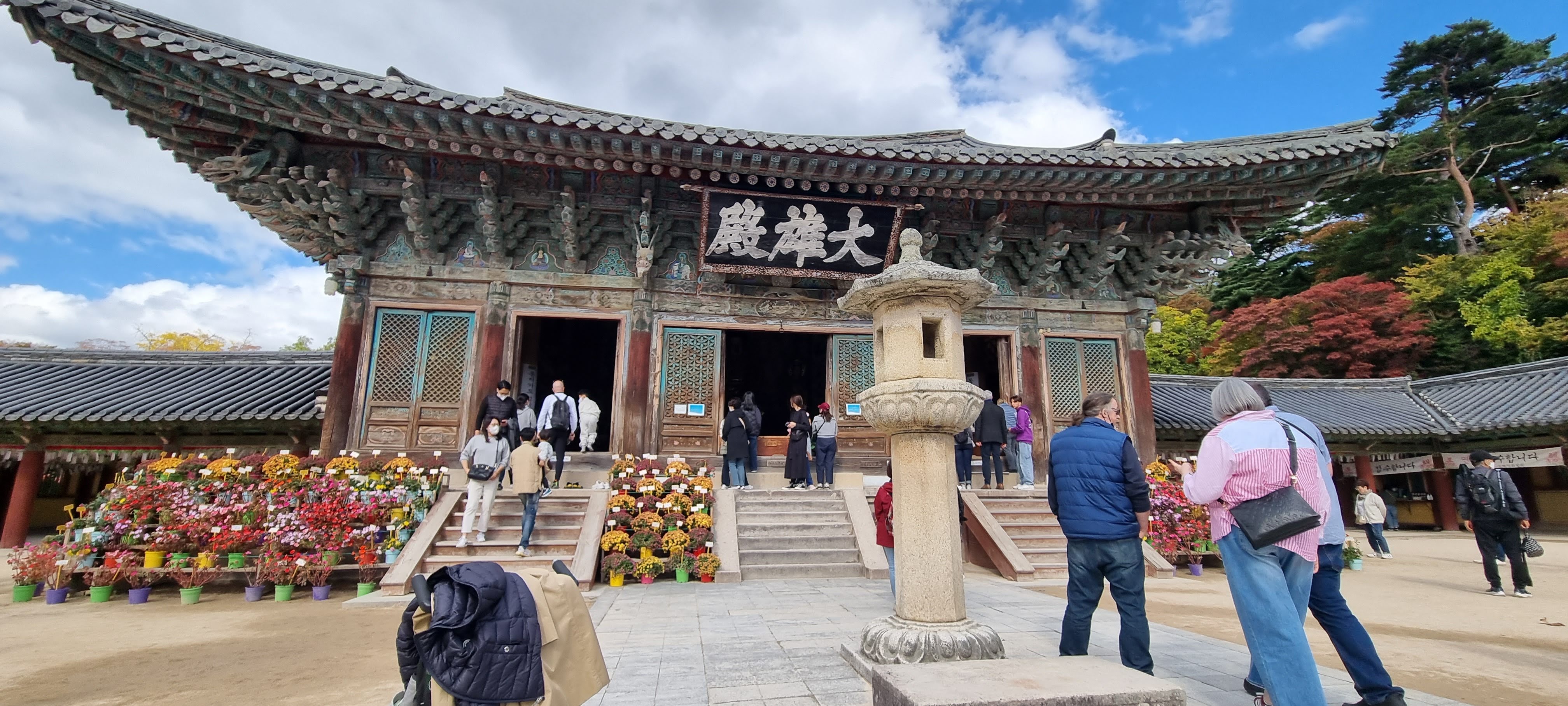
Often called “the museum without walls,” Gyeongju is packed with royal tombs, Buddhist relics, and 1,000-year-old temples. It really felt like we were wandering around some serious Korean history. The kids loved running (yes, running) around the burial mounds and the temples looked just picture postcard surrounded by the colours of Autumn. Visit Bulguksa Temple, Anapji Pond, and Cheomseongdae Observatory for a deep dive into Korean history.

Burial mounds
Bulguksa Temple
Bulguksa Temple

8. Gamcheon Culture Village

Gamcheon Culture Village in Busan was a great place to visit. Walking through the steep, winding streets felt like stepping into a giant art project — every wall, staircase, and alley was covered in bright murals, sculptures, and quirky installations. The kids loved spotting hidden characters, taking photos with the painted doors, and peeking into little galleries and shops along the way. It was fun to wander at our own pace, stopping for snacks or ice cream while enjoying the views of Busan’s harbour below. Gamcheon was definitely one of our favourite places.

Gamcheon culture village

9. Celebrate Halloween

Although we weren’t really prepared for it, Halloween in Korea felt like a much bigger deal than we expected — and not just for kids. Teenagers and adults were decked out in full costumes, roaming the streets and partying Halloween-style days before the actual holiday. Everywhere we looked, there were people dressed as superheroes, zombies, or K-pop stars, and the energy in neighborhoods like Hongdae and Itaewon was electric. Shops and cafés had spooky decorations, and even some subway stations got into the theme with pumpkins and themed displays. It honestly felt more like a city-wide festival than a single night of trick-or-treating — a mix of costume fun, music, lights, and laughter that made wandering the streets with the family feel lively and colourful. For families with kids, it’s easy to enjoy the atmosphere from a distance — grab a hot chocolate, stroll through the decorated streets, and let the kids marvel at the costumes without getting caught up in the late-night party scene.
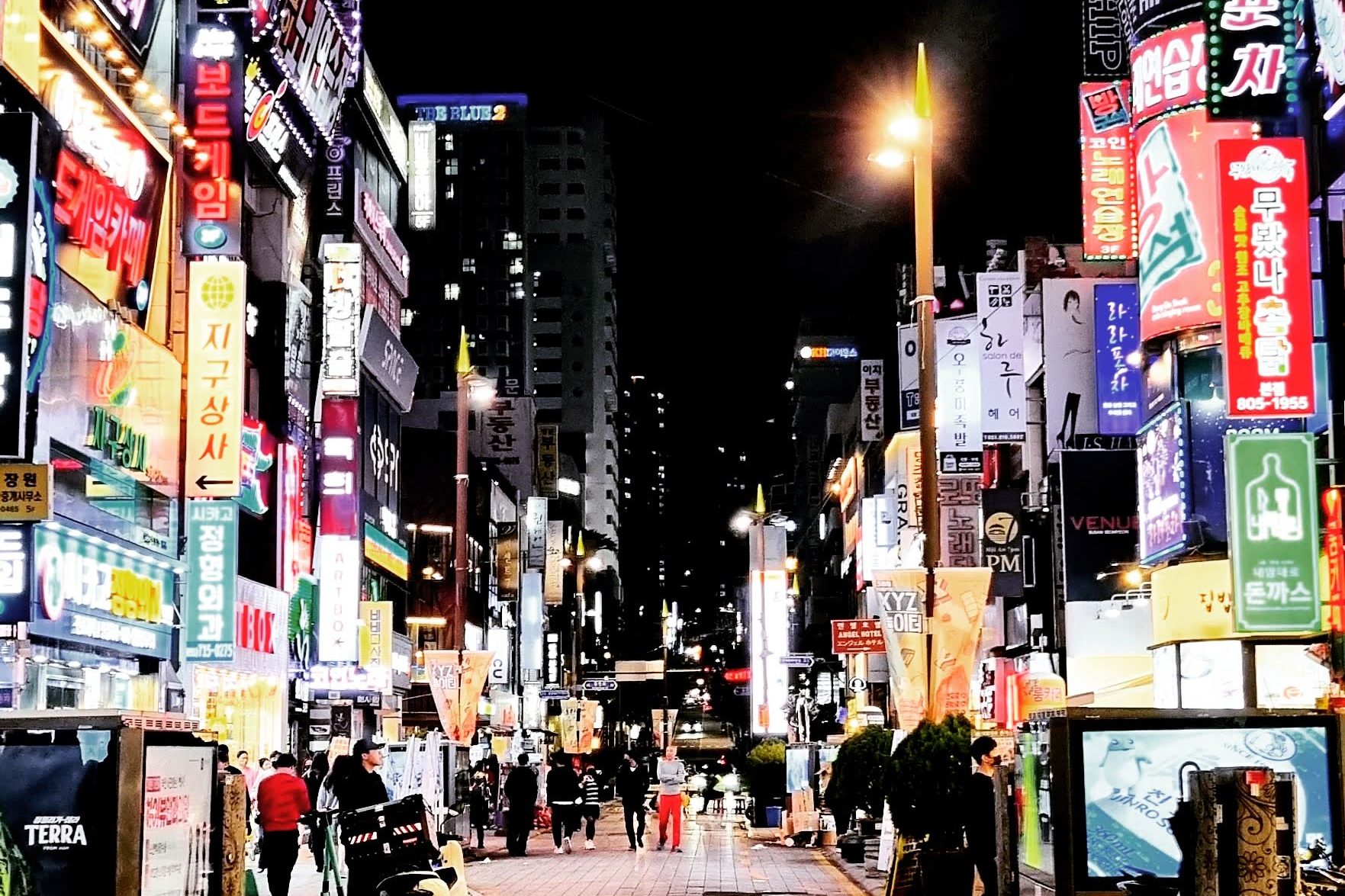
10. Try a Korean BBQ

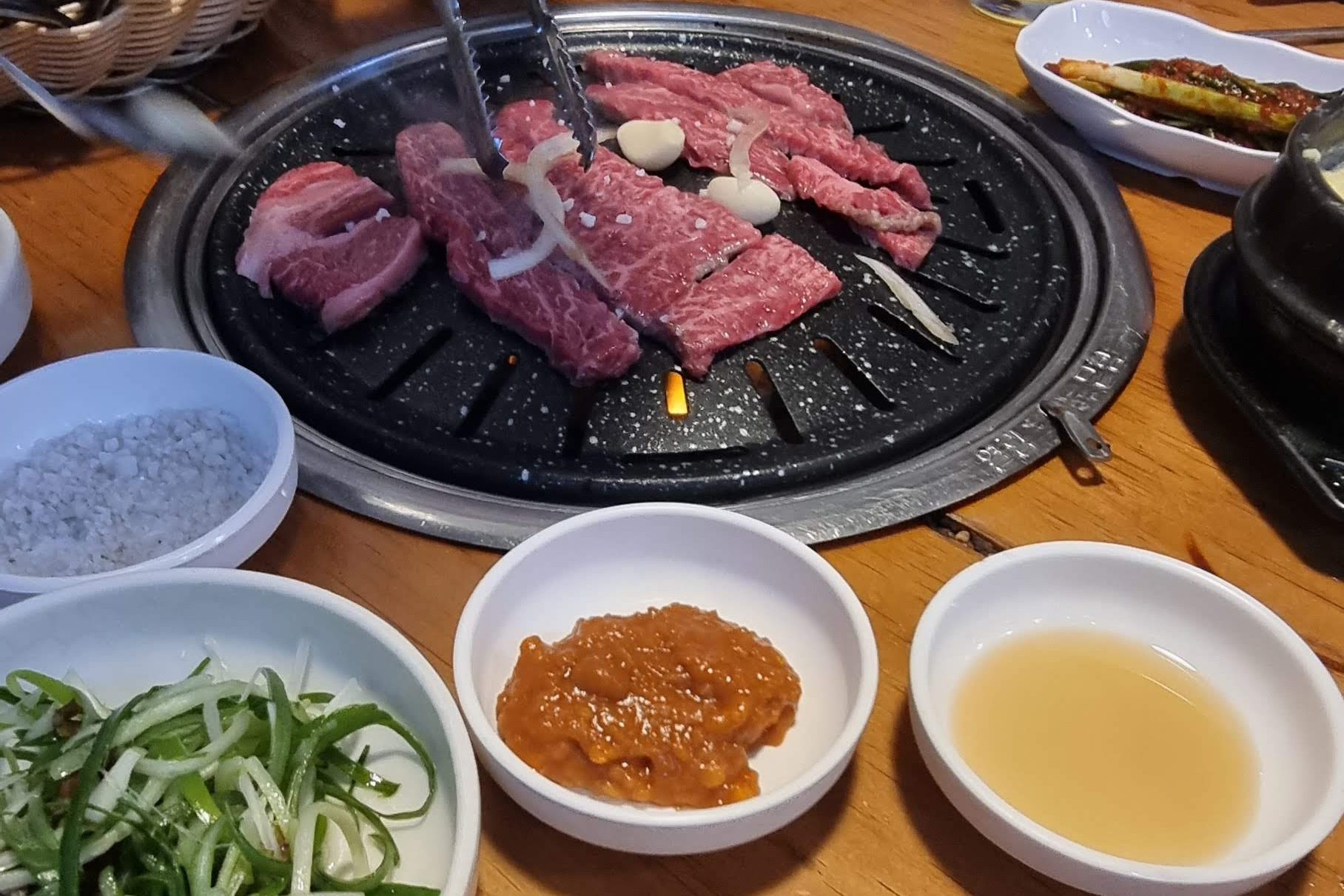
Eating Korean BBQ in Korea was definitely a fun experience — Most restaurants have grills right at the table, so everyone can cook their own meat, vegetables, and seafood exactly how they like it. The meat eating kids loved watching the meat sizzle and trying little bites of everything, while the vegetarians enjoyed sampling all the side dishes — kimchi, pickled radish, and tiny pancakes. It’s very interactive, which makes it perfect for families. Full disclosure: if you’re vegetarian, options are limited, but it was a fun thing to do and a must do for all meat eaters.
11. Visit a photo booth

You can’t visit South Korea without trying a Korean photo booth — we absolutely loved them. Known locally as “purike” or self-photo studios, these booths are sprinkled all over Korea. Step inside, pick a background (from dreamy flower walls to neon K-pop vibes), and snap away! Ours kids loved choosing props and fun filters, as did we, in all honesty. You get instant, professional-quality photo strips to take home — the perfect souvenir of your Korea trip and some of our favourite and precious souvenirs from our entire 5 month trip around Asia. Korean photo booths guarantee genuine fun and a keepsake your family will absolutely treasure. We ended up visiting about 5 during our stay and we’ve now made a decision that whenever we see one, we use it, we love them so much.

Final Thoughts

Visiting Korea with children in October was an incredible experience. From exploring historic palaces and walking along fortress walls to travelling on bullet trains, wandering the colourful streets of Gamcheon, and enjoying interactive meals like Korean BBQ, each day was full of new experiences. The autumn leaves added a beautiful backdrop to parks, temples, and city streets, and even Halloween brought a lively, unexpected energy to the cities. It was a great mix of history, adventure and fun and we’ll definitely be back.
Five Months Family Backpacking in Asia

How We Did It, What We Learned, and Why You Can Too

Follow our travels on instagram

In 2022, our family pressed pause on everyday life to embark on an unforgettable five-month backpacking adventure across Asia with our three children. We left our jobs, took the kids out of school, rented out our house, and swapped daily routines for street food, tuk-tuks, and adventure.

From exploring ancient temples in Cambodia to hiking volcanoes in Indonesia, and from the bustling street markets of Vietnam to the tranquil beaches of Sri Lanka, this journey was more than a holiday—it was a life-changing family travel experience filled with learning, growth, and connection.

Whether you’re dreaming of long-term family travel in Asia or wondering how to make it happen, here’s everything we learned after five incredible months of travelling Asia with kids.

How We Balanced Family Travel and Education

One of our biggest concerns before leaving was how the children’s education would be affected. Taking them out of school for five months felt risky, but the reality was different. Travel became their classroom—immersive, hands-on, and full of real-world lessons. Our children didn’t just read about history or geography—they experienced it first-hand. They learned to surf, scuba dive and swim (for Charlotte who was just 5), they saw wildlife beyond anything they could’ve imagined, they saw the devastating impact of palm oil plantations, learnt about the 2005 tsunami in Banda Aceh, experienced history and religion through visiting temples, mosques and hearing the call to prayer, learnt new languages, used different currencies and experiences a vast array of different foods.

Countries Explored on Our Asian Family Backpacking Trip

Our itinerary included:

  • Thailand
  • Cambodia
  • Indonesia
  • Malaysia
  • South Korea
  • Vietnam
  • Sri Lanka

Each destination offered unique cultural experiences, breathtaking landscapes, delicious local cuisine, and countless unforgettable moments. From temple-hopping in Cambodia to watching sunrises over Indonesian volcanoes, every day was a new adventure. Of course there were things that didn’t go quite to plan (not that we had much of a plan) but embracing the flexibility of lack of organisation meant that we were able to adapt and some of these have become some of our best stories.

More than just a trip, it was a chance to reconnect and see the world (and each other) in a whole new way. The kids learned more in those five months than they ever could have from textbooks—and so did we.

Here are some of our takeaways from the whole process of planning our trip and spending 5 months travelling it!

Why Long-Term Family Travel in Asia is Possible for You

Many people told us, “Wow, it’s incredible you did that!” Our answer: you can do it too.

You don’t need to travel non-stop like we did to have a transformative experience. Even shorter or slower trips can provide fresh perspectives and strengthen family bonds.

If you’re a working parent in the UK, remember you can take up to up to 4 weeks of unpaid parental leave per child per year?, a great opportunity to travel without leaving your job.

We funded our trip partly by renting our home on Airbnb and borrowing against our house. While we didn’t earn money on the road, many families work remotely nowadays, making long-term travel even more feasible.

The bottom line? If this has been on your mind—even as a distant “maybe one day” dream—it’s more doable than you think.

Flexibility: The Key to Successful Family Backpacking in Asia

We’re not exactly known for our planning skills—which, sure, can make things a bit chaotic—but it also means we’re pretty good at rolling with the punches. We kicked off our trip with nothing more than a one-way ticket to Bangkok and a couple of nights booked at a hotel. Luckily, Thailand is perfect for spontaneous travellers—there’s always a bus leaving tomorrow, and last-minute plans are expected. That flexibility quickly became more than just convenient; it turned into a survival skill. When we landed in the Philippines, we found out a tropical cyclone was heading straight for us. Twenty-four hours later? We were sipping soju in South Korea, diving headfirst into an incredible (and completely unplanned) two-week adventure.

Planning a five-month trip in detail? For us, it’s impossible. The places you expect to breeze through often capture your heart, while those picture-perfect beaches you dreamed of might fall short. But if you give yourself the freedom to change course along the way, you’ll stumble upon unexpected gems—people, places, and meals you never imagined you’d find.

How Our Kids Adapted to Long-Term Travel and Schooling

I was really anxious about taking the kids away for five months, especially with the huge disruption to their schooling and social lives. I worried about how they’d handle the change, how they’d fall behind in school, and whether they’d struggle with feeling isolated from their friends and familiar routines. I kept imagining them feeling homesick or out of place, unsure of how to adjust. But as it turns out, they were totally fine. They adapted so well to the new environments, making connections easily and approaching it with curiosity. Their resilience amazed me, and I realised that sometimes we overestimate the emotional weight of change, only to find that kids are incredibly adaptable when given the right support.

What is Worldschooling? How We Learned Through Travel

I’m not a fan of the word but I really do believe in the philosophy around worldschooling. Worldschooling is an approach to education rooted in curiosity, flexibility, and firsthand experience. Instead of confining learning to a classroom, it allows the world itself to become the curriculum. Our kids studied ancient history by walking through the ruins of Angkor Wat, learnt about ecology by observing wildlife in the wild as well as learning to to snorkel, swim and scuba dive. It’s not about escaping structure but about reimagining it—learning maths through budgeting travel, empathy and tolerance through cross-cultural connection. Worldschooling doesn’t promise a perfect education, but it offers a living one—where lessons aren’t just absorbed, they’re lived.

Final Thoughts on Family Backpacking in Asia

If you’ve been dreaming of family backpacking trips in Asia or wondering how to balance travel with parenting and education, know this: it’s more possible than you think.

With an open mind, flexibility, and a bit of planning, your family can create unforgettable memories, learn together, and see the world from a new perspective.

Five Months Family Backpacking in Asia

How We Did It, What We Learned, and Why You Can Too

In 2022, our family pressed pause on everyday life to embark on an unforgettable five-month backpacking adventure across Asia with our three children. We left our jobs, took the kids out of school, rented out our house, and swapped daily routines for street food, tuk-tuks, and adventure.

From exploring ancient temples in Cambodia to hiking volcanoes in Indonesia, and from the bustling street markets of Vietnam to the tranquil beaches of Sri Lanka, this journey was more than a holiday—it was a life-changing family travel experience filled with learning, growth, and connection.

Whether you’re dreaming of long-term family travel in Asia or wondering how to make it happen, here’s everything we learned after five incredible months of travelling Asia with kids.

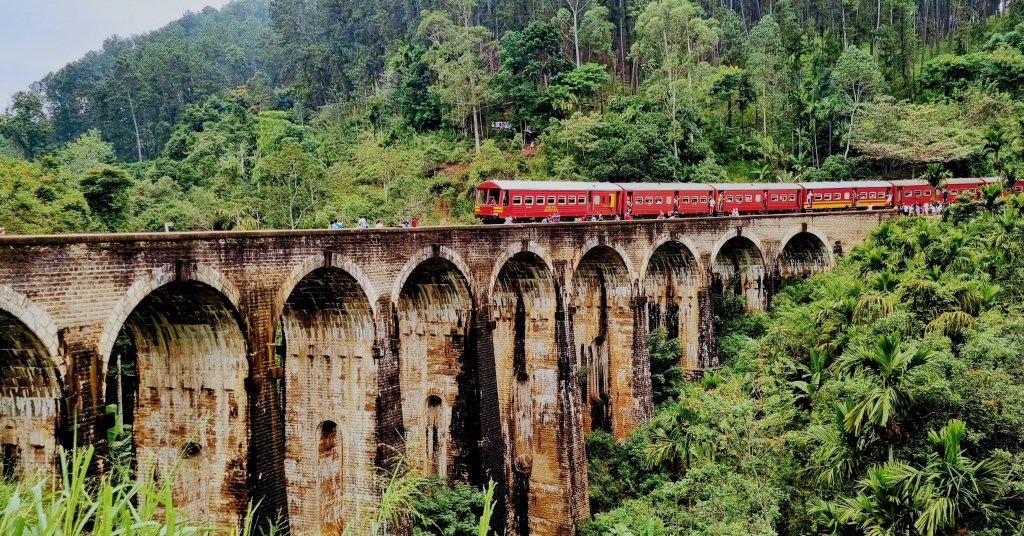
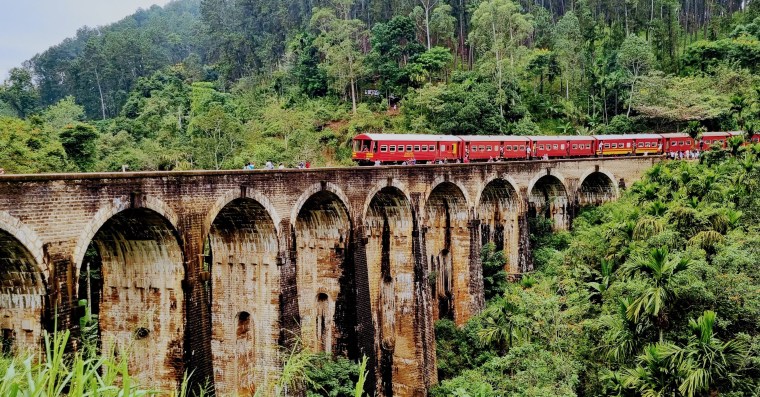
Train on the Nine Arch Bridge, Sri Lanka

How We Balanced Family Travel and Education

One of our biggest concerns before leaving was how the children’s education would be affected. Taking them out of school for five months felt risky, but the reality was different. Travel became their classroom—immersive, hands-on, and full of real-world lessons. Our children didn’t just read about history or geography—they experienced it first-hand. They learned to surf, scuba dive and swim (for Charlotte who was just 5), they saw wildlife beyond anything they could’ve imagined, they saw the devastating impact of palm oil plantations, learnt about the 2004 tsunami in Banda Aceh, experienced history and religion through visiting temples, mosques and hearing the call to prayer, learnt new languages, used different currencies and experiences a vast array of different foods.

A boat on top of a house from the 2004 tsunami in Sumatra

Countries Explored on Our Asian Family Backpacking Trip

Our itinerary included:

  • Thailand
  • Cambodia
  • Indonesia
  • Malaysia
  • South Korea
  • Vietnam
  • Sri Lanka

Each destination offered unique cultural experiences, breathtaking landscapes, delicious local cuisine, and countless unforgettable moments. From temple-hopping in Cambodia to watching sunrises over Indonesian volcanoes, every day was a new adventure. Of course there were things that didn’t go quite to plan (not that we had much of a plan) but embracing the flexibility of lack of organisation meant that we were able to adapt and some of these have become some of our best stories.

More than just a trip, it was a chance to reconnect and see the world (and each other) in a whole new way. The kids learned more in those five months than they ever could have from textbooks—and so did we.

Here are some of our takeaways from the whole process of planning our trip and spending 5 months travelling it!

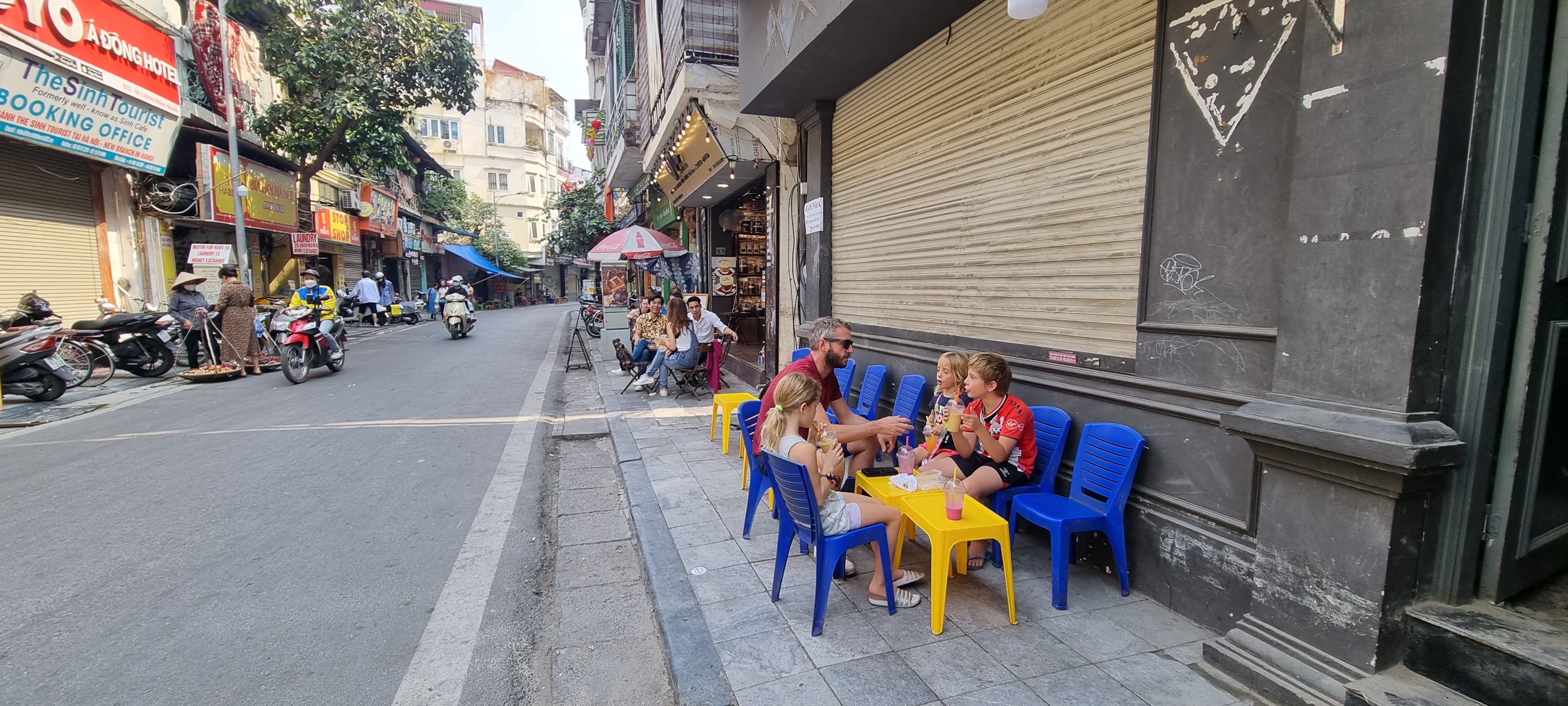
Street smoothies in Hanoi

Why Long-Term Family Travel in Asia is Possible for You

Many people told us, “Wow, it’s incredible you did that!” Our answer: you can do it too.

You don’t need to travel non-stop like we did to have a transformative experience. Even shorter or slower trips can provide fresh perspectives and can be incredible, life changing experiences.

If you’re a working parent in the UK, remember you can take up to up to 4 weeks of unpaid parental leave per child per year?, a great opportunity to travel without leaving your job.

We funded our trip partly by renting our home on Airbnb and borrowing against our house. While we didn’t earn money on the road, many families work remotely nowadays, making long-term travel even more feasible.

The bottom line? If this has been on your mind—even as a distant “maybe one day” dream—it’s more doable than you think.

Flexibility: The Key to Successful Family Backpacking in Asia

We’re not exactly known for our planning skills—which, sure, can make things a bit chaotic—but it also means we’re pretty good at rolling with the punches. We kicked off our trip with nothing more than a one-way ticket to Bangkok and a couple of nights booked at a hotel. Luckily, Thailand is perfect for spontaneous travellers—there’s always a bus leaving tomorrow, and last-minute plans are expected. That flexibility quickly became more than just convenient; it turned into a survival skill. When we landed in the Philippines, we found out a tropical cyclone was heading straight for us. Twenty-four hours later? We were sipping soju in South Korea, diving headfirst into an incredible (and completely unplanned) two-week adventure.

Old and new Suwon, Korea

Planning a five-month trip in detail? For us, it’s impossible. The places you expect to breeze through often capture your heart, while those picture-perfect beaches you dreamed of might fall short. But if you give yourself the freedom to change course along the way, you’ll stumble upon unexpected gems—people, places, and meals you never imagined you’d find.

How Our Kids Adapted to Long-Term Travel and Schooling

I was really anxious about taking the kids away for five months, especially with the huge disruption to their schooling and social lives. I worried about how they’d handle the change, how they’d fall behind in school, and whether they’d struggle with feeling isolated from their friends and familiar routines. I kept imagining them feeling homesick or out of place, unsure of how to adjust. But as it turns out, they were totally fine. They adapted so well to the new environments, making connections easily and approaching it with curiosity. Their resilience amazed me, and I realised that sometimes we overestimate the emotional weight of change, only to find that kids are incredibly adaptable when given the right support.

What is Worldschooling? How We Learned Through Travel

I’m not a fan of the word but I really do believe in the philosophy around worldschooling. Worldschooling is an approach to education rooted in curiosity, flexibility, and firsthand experience. Instead of confining learning to a classroom, it allows the world itself to become the curriculum. Our kids studied ancient history by walking through the ruins of Angkor Wat, learnt about ecology by observing wildlife in the wild as well as learning to to snorkel, swim and scuba dive. It’s not about escaping structure but about reimagining it—learning maths through budgeting travel, empathy and tolerance through cross-cultural connection. Worldschooling doesn’t promise a perfect education, but it offers a living one—where lessons aren’t just absorbed, they’re lived.

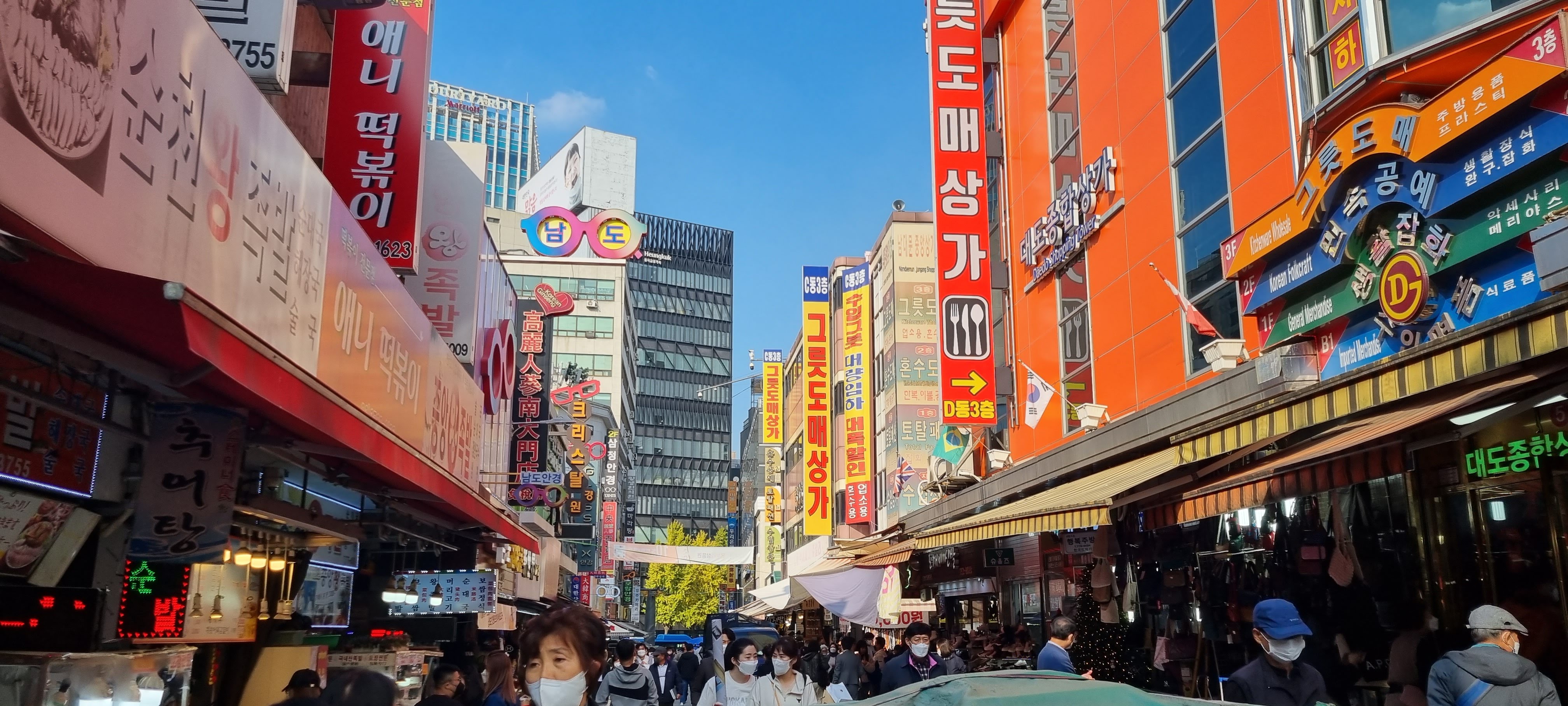
Wandering the streets of Seoul, Korea

Final Thoughts on Family Backpacking in Asia

If you’ve been dreaming of family backpacking trips in Asia or wondering how to balance travel with parenting and education, know this: it’s more possible than you think.

With an open mind, flexibility, and a bit of planning, your family can create unforgettable memories, learn together, and see the world from a new perspective.

Family Adventures in Sri Lanka: Wildlife, Surfing, and Travel Tips

Follow our travels on Instagram

Explore our family’s journey through Sri Lanka, featuring dolphin watching, surfing lessons, and essential travel advice for parents.

Sri Lanka might be small, but it packs an unbelievable punch — and honestly, it’s easily one of the best places we’ve ever visited. If you’re thinking about taking kids, do it! It’s such a brilliant family destination.

We spent a month there in November/December. Since it was our first trip (with many more to come, I’m sure!), we decided to follow the classic tourist trail… mostly. We skipped a few of the usual stops — like Yala National Park — and threw in a few adventures of our own, like dolphin watching in Kalpitiya (highly recommend!).

It was one of those trips that sticks with you — colourful, exciting, full of moments that we still talk about all the time. So here is an overview of what we think are Sri Lankan highlights and key things to consider when visiting.

Top Wildlife Experiences in Sri Lanka

Sri Lanka feels like one vast, open-air wildlife sanctuary—everywhere you turn, there’s a new opportunity to experience nature up close. During our trip, we went dolphin spotting, whale watching, and even ventured out on two unforgettable safaris.

One of the absolute highlights was watching spinner dolphins off the coast of Kalpitiya. The water was calm, the boats were few, and it felt like we had the ocean to ourselves. We were surrounded by hundreds of these playful dolphins—it was magical, and best of all, it didn’t feel intrusive or rushed. We arranged this through the hotel we were staying at and had the boat completely to ourselves.

We visited two national parks during our trip: Wilpattu and Minneriya. In Wilpattu, we were fortunate to spot a sloth bear, a leopard, and several elephants. However, the full-day safari proved to be quite long, and we decided we’d probably opt for shorter safaris in the future. At Minneriya, we took an evening safari from Sigiriya and were amazed to see hundreds of elephants. The experience was peaceful, quiet, and truly beautiful — we had the rare privilege of watching the elephants with no one else around. Later, I read that this wasn’t even the peak season for elephant sightings in Minneriya, which made us feel even luckier to witness so many in such a serene setting.

While in Mirissa, we went on a whale watching tour and were thrilled to spot a blue whale — the largest animal on the planet. Sri Lanka is considered one of the top destinations in the world for blue whale watching, especially off the southern coast near Mirissa, where sightings are common during the season.

Surfing Lessons for Kids: What to Expect

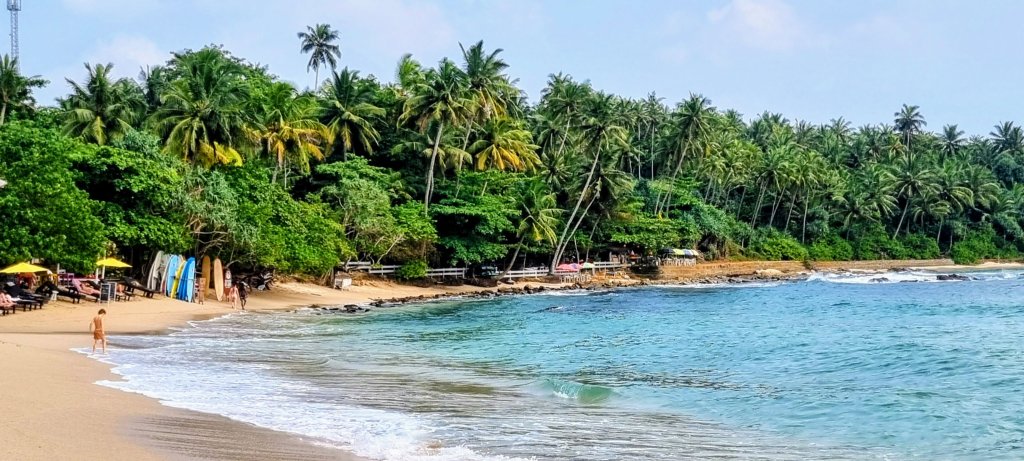
This was an absolute highlight for our kids, who had surfing lessons every day for two weeks—and loved every minute of it. The sea is warm, the conditions are generally safe, and the lessons are surprisingly affordable. We simply walked down to the beach and found local surf huts offering sessions, which worked perfectly in both Hiriketiya and Weligama.

That said, sea conditions can vary with the seasons, so it’s worth considering the time of year, especially if you’re travelling with younger children (ours were 8 and 10). Out of season, the waves can be rougher, making it less suitable for kids.

Be aware of the weather

During the UK summer months, the west and south of Sri Lanka—popular tourist destinations—experience their monsoon season. When we visited in November and December, we did encounter some rain, but also enjoyed stretches of beautiful weather in these regions. In contrast, the north and east typically have better weather during the UK summer. It’s something to keep in mind if you’re planning a beach holiday, as the weather and sea conditions can affect your experience during these seasonal shifts.

Navigating Sri Lanka Without a Private Driver

I often see hundreds of posts asking whether it’s necessary to hire a driver when travelling around Sri Lanka. From our experience, we chose not to—and I genuinely don’t think it’s essential, or even the best way to explore the country. While many travellers were arriving at hotels in air-conditioned cars, driven from one destination to the next, we felt that approach missed one of the most rewarding aspects of travel: real connection with the place and how it functions. Of course, many people go with this option for ease but if you’re wondering if you need it, you don’t.

We did use taxis arranged through hotels when there were no other options, but wherever possible, we opted for tuk-tuks, trains, and buses. We always try to use public transport when we travel, as it offers a glimpse into everyday life that you simply don’t get from behind tinted windows. Booking tickets was usually straightforward— for the buses we just turned up and for the trains, most of the time we just turned up at the station, but for busier routes, we booked in advance here.

Sri Lanka offered our family a memorable blend of adventure, culture, and relaxation. From spotting dolphins in Kalpitiya to daily surf lessons along the southern coast, each stop brought something new without feeling rushed. Travelling without a private driver gave us the flexibility to explore at our own pace and connect more closely with local life. With its varied landscapes, welcoming communities, and family-friendly experiences, Sri Lanka proved to be an exciting yet accessible destination – one we’d happily recommend to other families looking for something a little different.

Top Family Adventures in Indonesia: Highlights from Our Journey

Follow our travels on Instagram

Some of the experiences we’re calling “highlights” might seem a little unconventional—but stick with me! Indonesia, with its breathtakingly diverse landscapes and rich cultural tapestry, offers endless adventures for families. Over two unforgettable months, we explored everything from misty volcanic peaks to tranquil island beaches, encountering surprises and moments of wonder at every turn. This beautiful country treated us to an incredible range of experiences—some expected, others completely unexpected—all of them memorable.

1. Mount Bromo at Sunrise

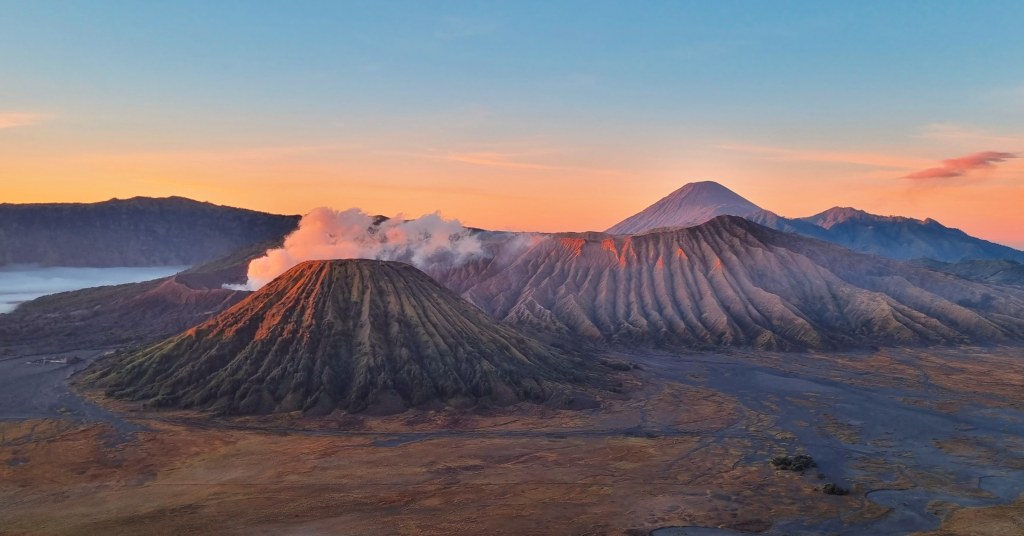
Indonesia is just one of those places that constantly takes your breath away, and Mount Bromo was no exception. Watching the sunrise over the volcano was absolutely surreal—one of those moments that makes you stop and go, Wow, is this even real? It’s hands down one of my favourite memories from the trip.

2. Swimming with Turtles in the Gili Isles

This really was a highlight and an unforgettable. No tour or boat, just walk into the water from the shore and soon enough we found several turtles. The kids were totally mesmerised, as were we. If you venture to the Gili isles then this really is worth seeing.

3. Scuba Diving in Northern Bali

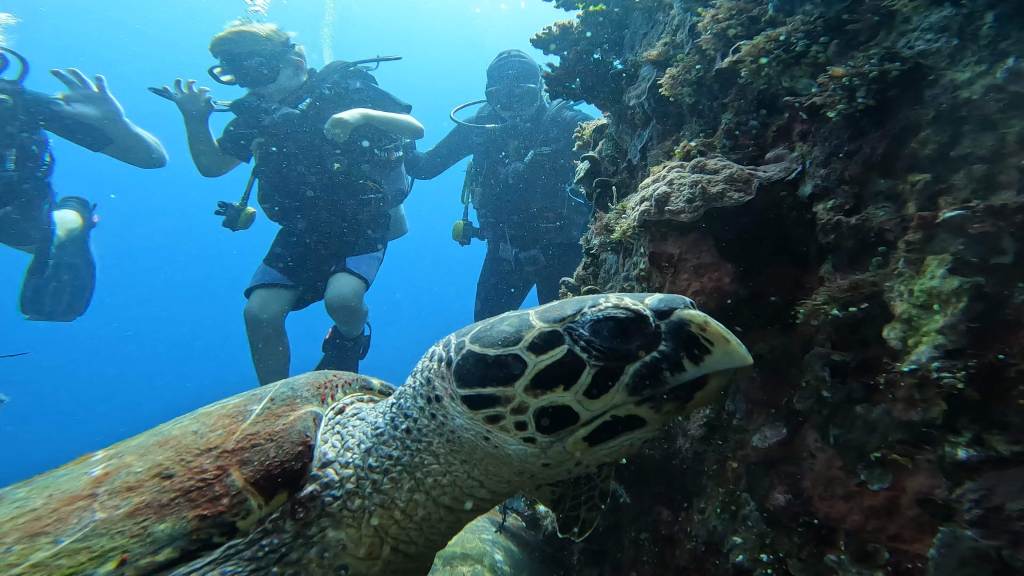
Years ago, before kids, I did a wreck dive in Northern Bali, and I’d always wanted to go back. This time, my 10-year-old got to experience it too! Northern Bali is way more chilled out than the south—no crowds, no chaos, just incredible diving. We spotted turtles, sharks, and had the whole underwater world almost to ourselves.

4. Karimunjawa

I hesitate to even mention this place because it’s such a hidden gem. Seriously, it’s paradise—untouched, pristine, and barely touched by tourism. The journey there is a bit rough (yes, they hand out sick bags on the ferry), but it’s beyond worth it. We rented mopeds and explored the island, and it was stunning. There’s not a ton to do in terms of tourist attractions, but that was kind of the point—it was just raw, natural beauty.

5. Seeing Banda Aceh

Visiting Banda Aceh was one of the most moving and educational parts of our journey. It’s a place forever marked by the 2004 tsunami, and standing in a city that has so visibly rebuilt itself from such devastation was both humbling and inspiring. We visited the tsunami museum and saw the boats carried inland by the waves—a powerful reminder of nature’s force and human resilience. For all of us, especially the kids, it was a chance to learn about the disaster not just through facts and figures, but through stories, memorials, and the strength of the local people. It sparked important conversations about natural disasters, global response, and the courage it takes to rebuild, turning a distant headline into something deeply real and human.

6. Bukit Lawang

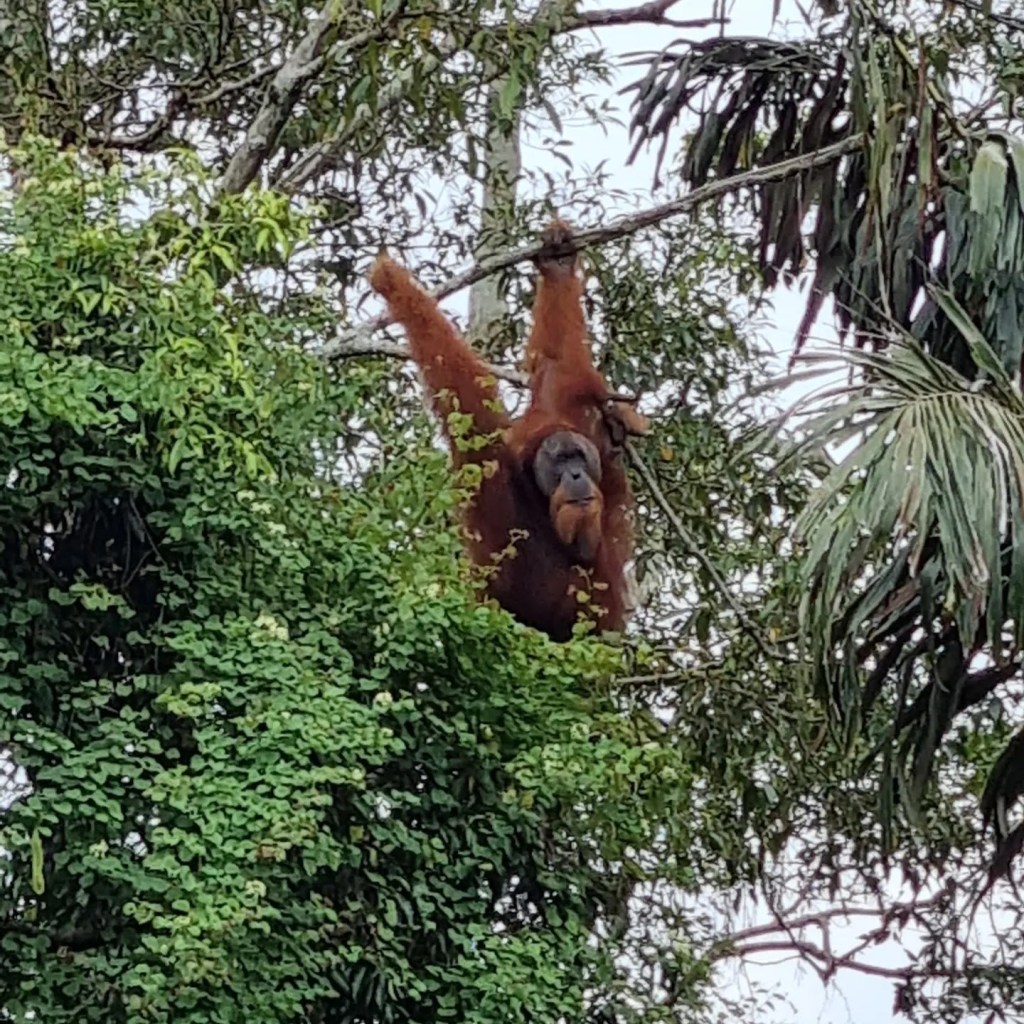
Sumatra felt like a different world compared to Bali or Lombok—far more traditional and way less touristy. We stayed in the jungle in Bukit Lawang, which meant a 15-minute walk from the road just to get to our hut, but honestly, it was all part of the adventure. The best part? Seeing wild orangutan. We decided on a day trek as non of us were really into the idea of wild camping in a jungle and it was actually perfect for us. Just the right amount of walking before the kids started to get tired and then the tubing back down the river at the end was the perfect end to the day. The orangutan were majestic, graceful, gentle and utterly mesmerising. It is heartbreaking that so much of their natural habitat is being destroyed but equally inspiring to see the efforts of the local people to preserve what is left. It was an absolutely unforgettable few days.

6. Komodo National Park day trip

Our day in Komodo National Park was one of the real standouts of the trip and definitely something we’d recommend. We joined a fairly typical group boat with about 25–30 people and spent the day exploring some of the park’s key spots. It started with a walk up to one of the park’s highest points, where we were met with incredible views over the surrounding islands and volcanic landscape. From there, we headed to Komodo Island to look for Komodo dragons—and seeing them up close in the wild was an unforgettable experience. We also stopped at the well-known Pink Beach, where we had time to relax on the unusual rosy sand, swim in the clear turquoise water, and snorkel among a reef full of fish. A real highlight was getting the chance to swim with manta rays—huge, graceful creatures that passed right beneath us. It was a full, memorable day with just the right mix of activity and downtime.

7. Travelling for Hours through Palm Oil Plantations

Driving through Sumatra, one of the most striking—and sobering—sights is the endless expanse of palm oil plantations. Stretching for miles, these uniform rows of trees have largely replaced what was once lush, biodiverse rainforest. It’s a stark reminder of the environmental challenges facing this region, particularly for endangered species like orangutans who are rapidly losing their natural habitat. For our family, it sparked incredible and in depth conversations—not only about the environment, but also about the complex realities for the people who depend on palm oil for their livelihoods. Nothing about the situation is simple. This was worldschooling at the absolute coal face—an unfiltered look at the difficult questions shaping our planet’s future. Our kids didn’t just read about it—they stood in the middle of it, asked the hard questions, and experienced it firsthand. I do say it was a highlight because it was a light bulb moment for me. We’d taken our kids out of school to travel the world, and the questions they asked—and the lessons they learned—about deforestation, sustainability, and the complex challenges facing local communities were nothing short of priceless. These weren’t abstract classroom concepts; they were real, unfolding in front of them, sparking curiosity, compassion, and a deeper understanding of the world they’re growing up in. If anything convinced me that travel is worth it, this was it.

Full Moon Party – with kids!

Follow our travels on Instagram

Discover how to enjoy Thailand’s Full Moon Party with children. Tips on family-friendly accommodation, activities, and safety for an unforgettable experience.

Okay, I know what you’re thinking — a Full Moon Party and kids? Not exactly a match made in heaven, right? Trust me, I had the same thought. I’d never made it to one in my younger, wilder days, but it always sat on my bucket list. Fast forward to now: I’ve got three kids, questionable stamina, and zero interest in partying until sunrise. So… maybe doing it with the kids was the dream scenario after all?

Of course, there are definitely a few things to keep in mind to make sure everyone has a great (and safe) time. So here’s the lowdown on how we went about it.

location, location, location

This was hands-down our biggest decision: where to stay. We weren’t after the wild backpacker scene, but we also didn’t want to be so far out that getting back meant a late-night transport mission. Too close, though, and we’d risk the Full Moon chaos spilling right onto our doorstep. Oh, and we didn’t want to blow the budget—but we were willing to pay a little extra to tick all the right boxes.

Let’s be real: we don’t always get it right when we travel, but this time? We nailed it. We ended up staying here—and honestly, it was the best decision we could’ve made (even if it was a bit of a lucky guess from our kitchen in Southampton weeks earlier!). The hotel is right on the Full Moon Party beach, but tucked away at the far end, so we had the perfect balance: just a five-minute stroll along the sand to the party, but far enough to escape the chaos when we needed a break.

They were also impressively prepared. We were given wristbands for re-entry, and there was a staff member stationed at the beach entrance to make sure only hotel guests could come through. It felt safe, organised, and just the right kind of buzz. They had a buffet dinner available on the night of the party, already included in the price, and everyone got a drink. I really can’t recommend it enough if you are looking for the same type of thing.

Go early

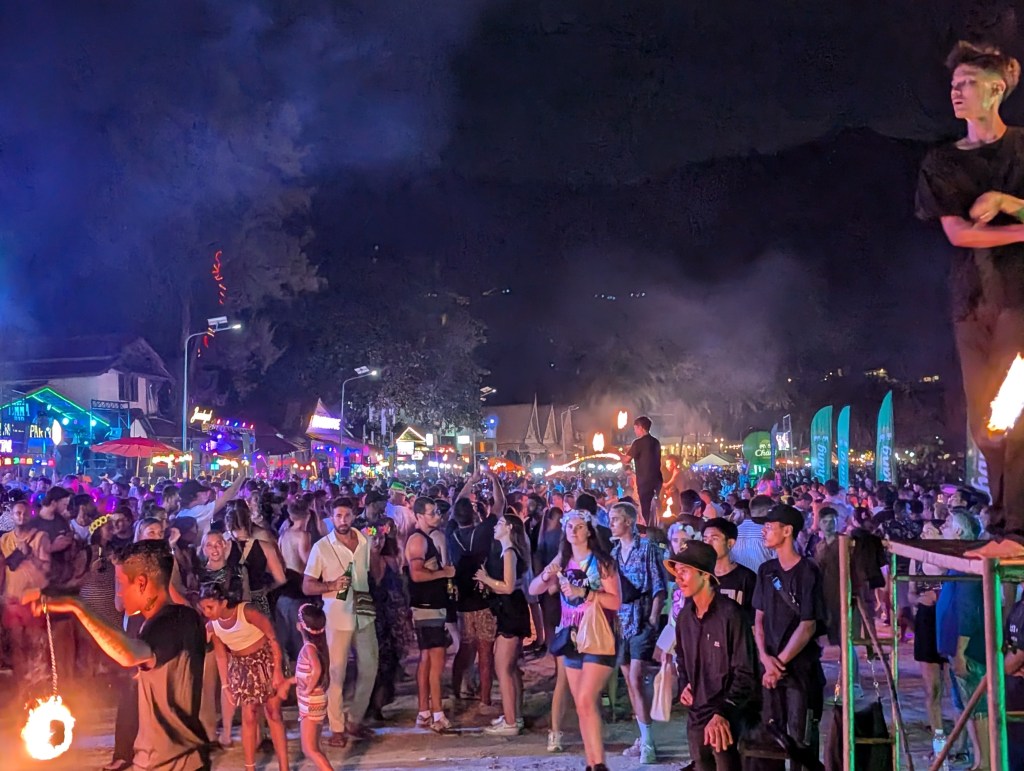
This was actually a really important tip for us, and one I’d definitely pass along to others. We knew we wanted to soak up the atmosphere and enjoy the energy of the night, but at the same time, we were mindful of not exposing the kids to anything too wild—like people who were completely out of it from drinking or drugs. So we planned it carefully: had dinner around 7, then headed to the party between 8 and 9. We stayed until about 11 or midnight. Just as we were leaving, there was a noticeable surge in the crowd—it was already packed, but it was starting to get even more intense. I think we got the timing just right. That said, Megan was definitely hoping to stay a bit longer!

Get T shirts and face paints

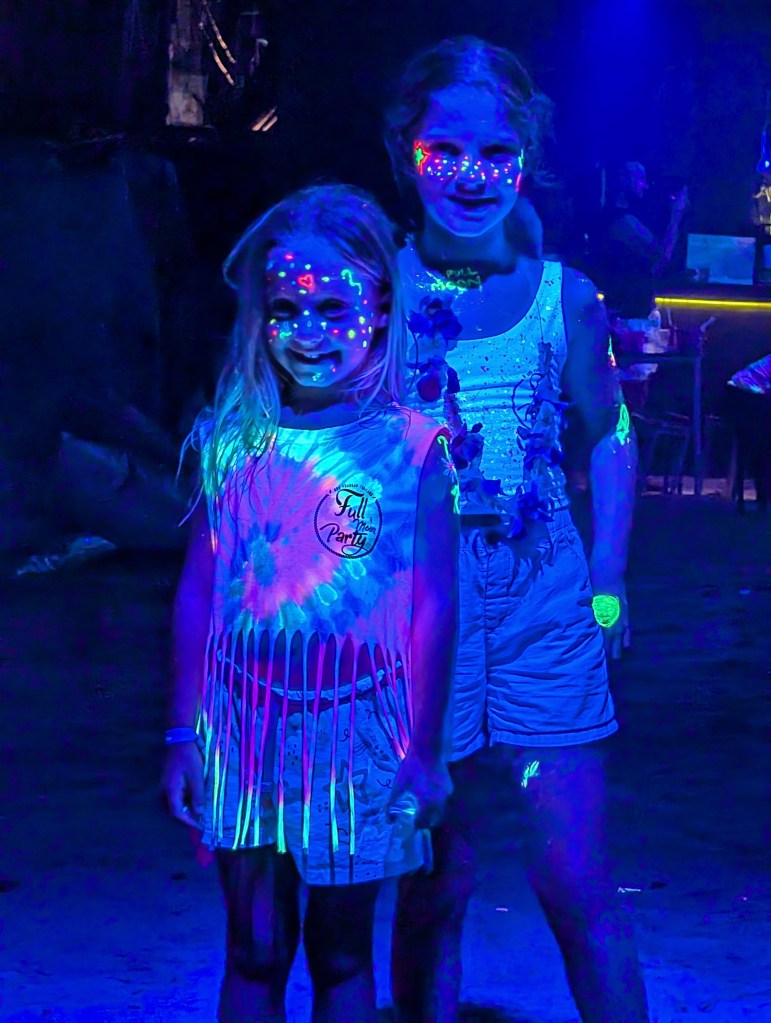
This was one of the most fun and memorable moments of the evening, especially for the kids who fully embraced the experience. We went to the streets just behind the beach, soaked up the pre party vibe and bought Full Moon Party T-shirts for us all. There were also loads of vibrant stalls offering fluorescent face paint—perfect for getting into the spirit of things and fun for the kids. Conveniently, those same stalls also sold the iconic buckets!

Accept that it will be loud

The place we stayed at was great, but it wasn’t completely quiet when we got back to the hotel. As you’re close to the party, you can still hear it. It’s lively—it’s a party atmosphere. While there was no drama or trouble, light sleepers might find it a bit hard to get a good night’s rest.

If you’re on the fence about doing this and wondering whether it’s a good idea, I can confidently say it absolutely is—especially if you plan it right. Our kids had an amazing time, and so did every other child we saw. They felt completely safe, totally happy, and came away with only the best memories of one of the world’s most iconic celebrations. Parenting win? I like to think so. I’m definitely counting on this to earn me some cool mum points down the line!

Two months independent family travel in Indonesia

Family travel in Indonesia: a complete 2-month guide covering visa on arrival, visa extension tips, using Gojek, travelling with kids, safety advice, Mount Bromo sunrise, Bali, Sumatra, and more.

Follow our travels on Instagram

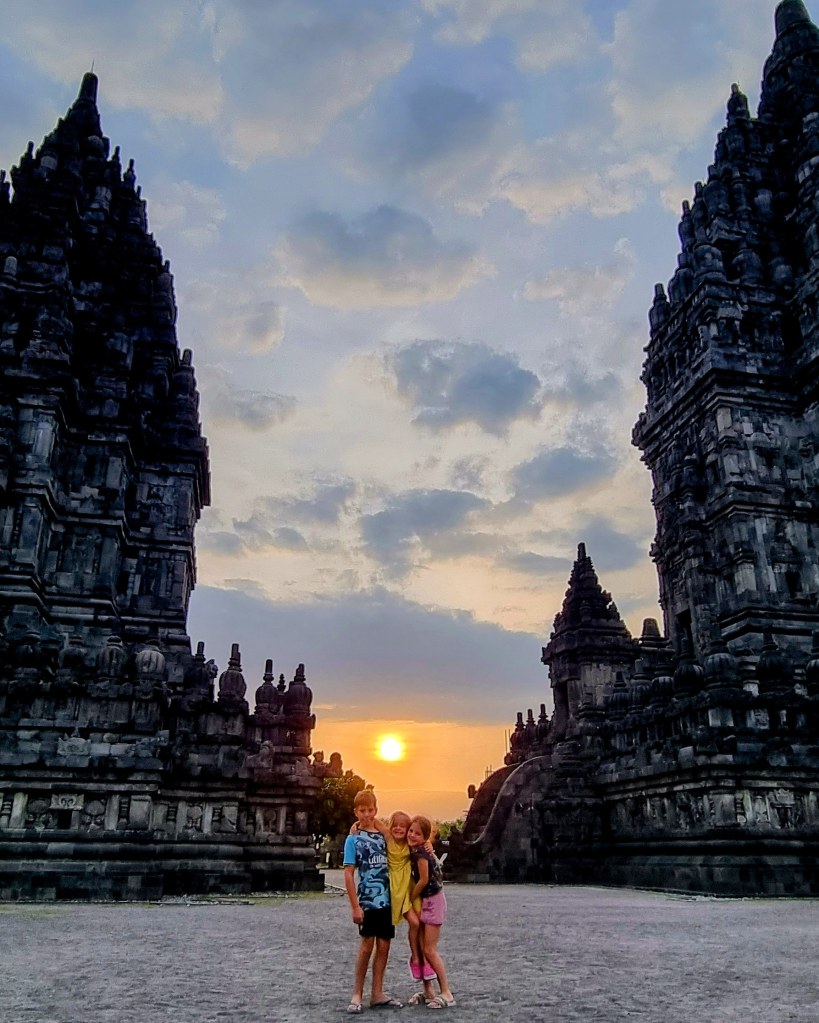
Indonesia is a never-ending adventure. With over 17,000 islands, this Southeast Asian gem offers everything from the buzzing streets of Jakarta to the peaceful rice fields of Ubud, the dense jungles of Sumatra, and the stunning coral reefs of northern Bali and the Gili Islands. We still talk about watching the sunrise over Mount Bromo; it sounds cheesy but it really was surreal. Another unforgettable moment was the sunset behind the ancient spires of Prambanan Temple—genuinely magical. Whether you’re snorkelling in the crystal clear waters of northern Bali, swimming with giant manta rays, peering into roaring volcanoes, or spotting wild Komodo dragons, travelling through Indonesia is full of surprises. It’s home to over 270 million people, and its cultural and geographical diversity is unlike anywhere else in the world.

Mount Bromo at sunrise

We spent two full months in Indonesia as a family in 2022, gaining hands-on experience and practical travel insights. From visa extensions and transport tips to exploring off-the-beaten-path regions, here’s everything we wish we’d known before we went. Also read our highlights for ideas about where to go.

Is Travelling in Indonesia with Children Safe?

Short answer: Yes, Indonesia is safe for families with children. At no point during our trip did we feel unsafe. The Indonesian people were incredibly warm and welcoming—especially to our children.

Of course, common-sense safety rules still apply: be cautious around traffic, take care with street food, and remember that health and safety standards may not match European norms. In more conservative areas, such as parts of Sumatra, respecting local customs is especially important. But overall, Indonesia felt safe, friendly, and family-friendly.

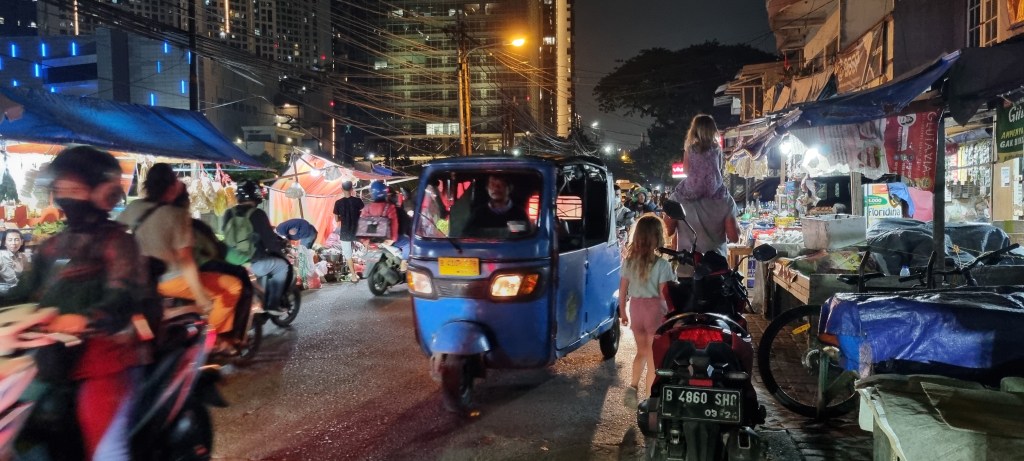
The busy (but brilliant) streets of Jakarta

Accept you can’t see it all

Two months might seem like plenty of time to travel, but in a country as massive and wildly diverse as Indonesia, it barely scratches the surface. We’re talking over 17,000 islands—each with its own vibe, landscapes, food, and culture. Getting around isn’t always quick either; think long ferry rides, bumpy bus journeys, and the occasional island-hopping flight. From the dramatic volcanoes of Java to Sumatra’s dense jungles, the spiritual buzz of Bali, and the hidden paradise of Karimunjawa, you’ll find yourself constantly choosing between amazing places—and realising there’s just no way to see it all. But honestly? That’s part of the magic. Indonesia doesn’t just offer a trip; it teases you with a glimpse and makes you want to come back. And don’t worry—whatever you do manage to fit in will absolutely blow you away.

Beach in Karimunjawa

Visa on Arrival in Indonesia and How to Extend It

If you’re planning a longer trip to Indonesia, you’ll need to understand the Visa on Arrival (VOA) process. We entered the country via Jakarta Airport, where we paid the visa fee in cash—note that we could only pay in cash, but there are plenty of ATMs in the arrivals hall.

The VOA is valid for 30 days, and if you’re staying longer (like we did), you’ll need to extend your Indonesian visa. While in Bali, we explored our options and ended up using a visa extension agency. Although it cost a bit more than doing it ourselves, it saved so much time and hassle. The agency took care of the paperwork and immigration visits, allowing us to explore the rest of the island stress-free.

You’ll need to hand over your passport temporarily (they’ll give you a photocopy and cover letter, which hotels accept), and collect it a few days later—super convenient, especially if you’re travelling onward to places like Lombok.


Download the Gojek App: Your Best Travel Companion in Indonesia

If you’re visiting cities like Jakarta, Yogyakarta, or Denpasar, don’t leave without downloading Gojek—Indonesia’s answer to Uber, but with more features. It made getting around Indonesia much easier, especially in areas where public transport was limited or confusing.

From ordering food to booking a last-minute ride, Gojek in Indonesia is a total lifesaver for families and solo travellers alike. It’s safe, reliable, and available in most major tourist areas.


Get a SIM Card at the Airport

One of our top Indonesia travel tips: buy your SIM card at the airport. We tried finding one in town later on and it was far more difficult than expected. Having mobile data from day one made navigation, bookings, and communication so much easier—especially when using apps like Gojek or Google Maps.

Surfer at Seminyak Beach in Bali

Understanding Cultural Norms in Indonesia

While Indonesia is known for its tourism hotspots like Bali and Yogyakarta, we also visited Aceh in northern Sumatra, where Sharia law is in effect. Although this didn’t directly impact us as tourists, it’s essential to be aware of local expectations.

In places like Aceh:

  • Dress modestly (shoulders and knees covered)
  • Avoid public displays of affection
  • Unmarried couples may be asked not to share accommodation
  • Alcohol is banned, so don’t bring or ask for it

We also found limited access to international ATMs in Banda Aceh and Pulau Weh, so carry enough cash when heading to more remote or conservative regions.

If you decide to experience these lesser visited parts of Indonesia, you will stand out and attract attention. It’s not always comfortable but we never felt it a threat. We generally decided to go with it and politely decline photos of the kids if we felt uncomfortable. We did feel like celebrities at times! Just be aware that it happens and while you really don’t need to feel nervous, it’s worth deciding how to deal with it.

Visiting a mosque in Medan, Sumatra

Final Thoughts: Why Indonesia Is Worth Exploring for Longer

From the temples of Java to the turquoise waters of the Gili Islands, and the welcoming people across every region, Indonesia rewards slow, mindful travel. The diversity of landscapes, cultures, and experiences is unmatched—and two months still didn’t feel like anywhere near enough. I feel like you could spend a lifetime travelling Indonesia.

If you’re considering long-term travel in Indonesia, especially with a family, we wholeheartedly recommend it. With the right planning, the country offers a perfect blend of adventure, culture, and connection.