Top Family Adventures in Indonesia: Highlights from Our Journey

Follow our travels on Instagram

Some of the experiences we’re calling “highlights” might seem a little unconventional—but stick with me! Indonesia, with its breathtakingly diverse landscapes and rich cultural tapestry, offers endless adventures for families. Over two unforgettable months, we explored everything from misty volcanic peaks to tranquil island beaches, encountering surprises and moments of wonder at every turn. This beautiful country treated us to an incredible range of experiences—some expected, others completely unexpected—all of them memorable.

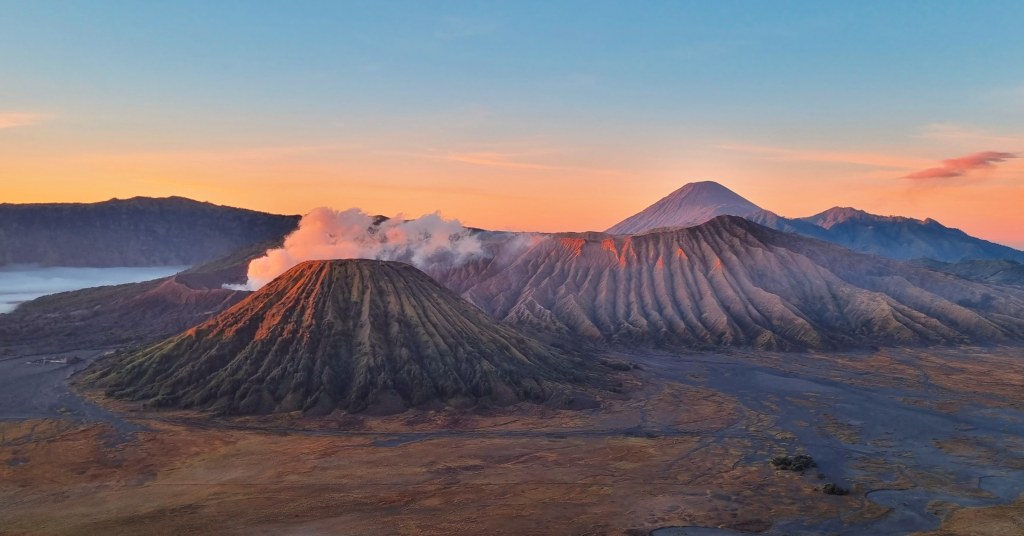
1. Mount Bromo at Sunrise

Indonesia is just one of those places that constantly takes your breath away, and Mount Bromo was no exception. Watching the sunrise over the volcano was absolutely surreal—one of those moments that makes you stop and go, Wow, is this even real? It’s hands down one of my favourite memories from the trip.

2. Swimming with Turtles in the Gili Isles

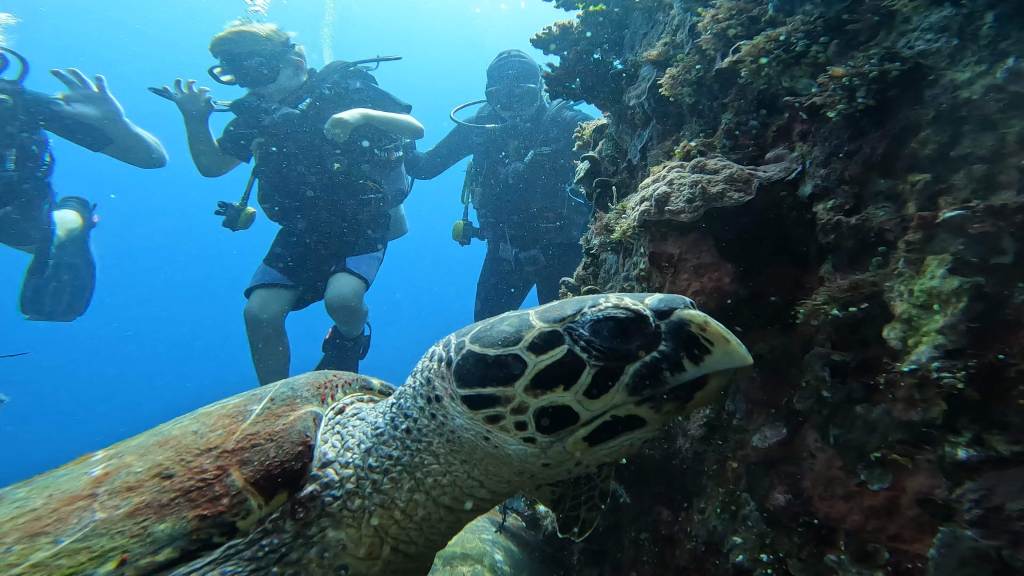
This really was a highlight and an unforgettable. No tour or boat, just walk into the water from the shore and soon enough we found several turtles. The kids were totally mesmerised, as were we. If you venture to the Gili isles then this really is worth seeing.

3. Scuba Diving in Northern Bali

Years ago, before kids, I did a wreck dive in Northern Bali, and I’d always wanted to go back. This time, my 10-year-old got to experience it too! Northern Bali is way more chilled out than the south—no crowds, no chaos, just incredible diving. We spotted turtles, sharks, and had the whole underwater world almost to ourselves.
4. Karimunjawa

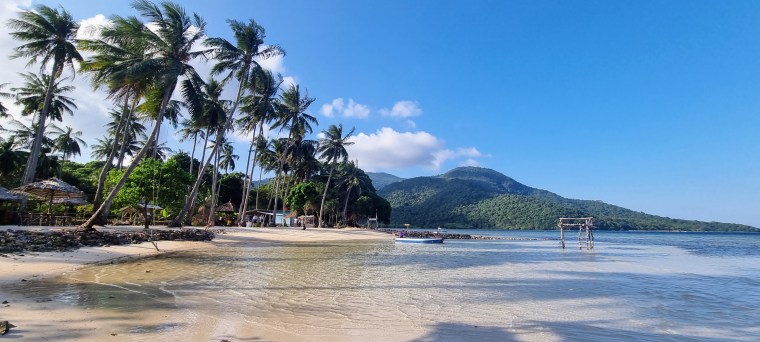
I hesitate to even mention this place because it’s such a hidden gem. Seriously, it’s paradise—untouched, pristine, and barely touched by tourism. The journey there is a bit rough (yes, they hand out sick bags on the ferry), but it’s beyond worth it. We rented mopeds and explored the island, and it was stunning. There’s not a ton to do in terms of tourist attractions, but that was kind of the point—it was just raw, natural beauty.

5. Seeing Banda Aceh

Visiting Banda Aceh was one of the most moving and educational parts of our journey. It’s a place forever marked by the 2004 tsunami, and standing in a city that has so visibly rebuilt itself from such devastation was both humbling and inspiring. We visited the tsunami museum and saw the boats carried inland by the waves—a powerful reminder of nature’s force and human resilience. For all of us, especially the kids, it was a chance to learn about the disaster not just through facts and figures, but through stories, memorials, and the strength of the local people. It sparked important conversations about natural disasters, global response, and the courage it takes to rebuild, turning a distant headline into something deeply real and human.

6. Bukit Lawang

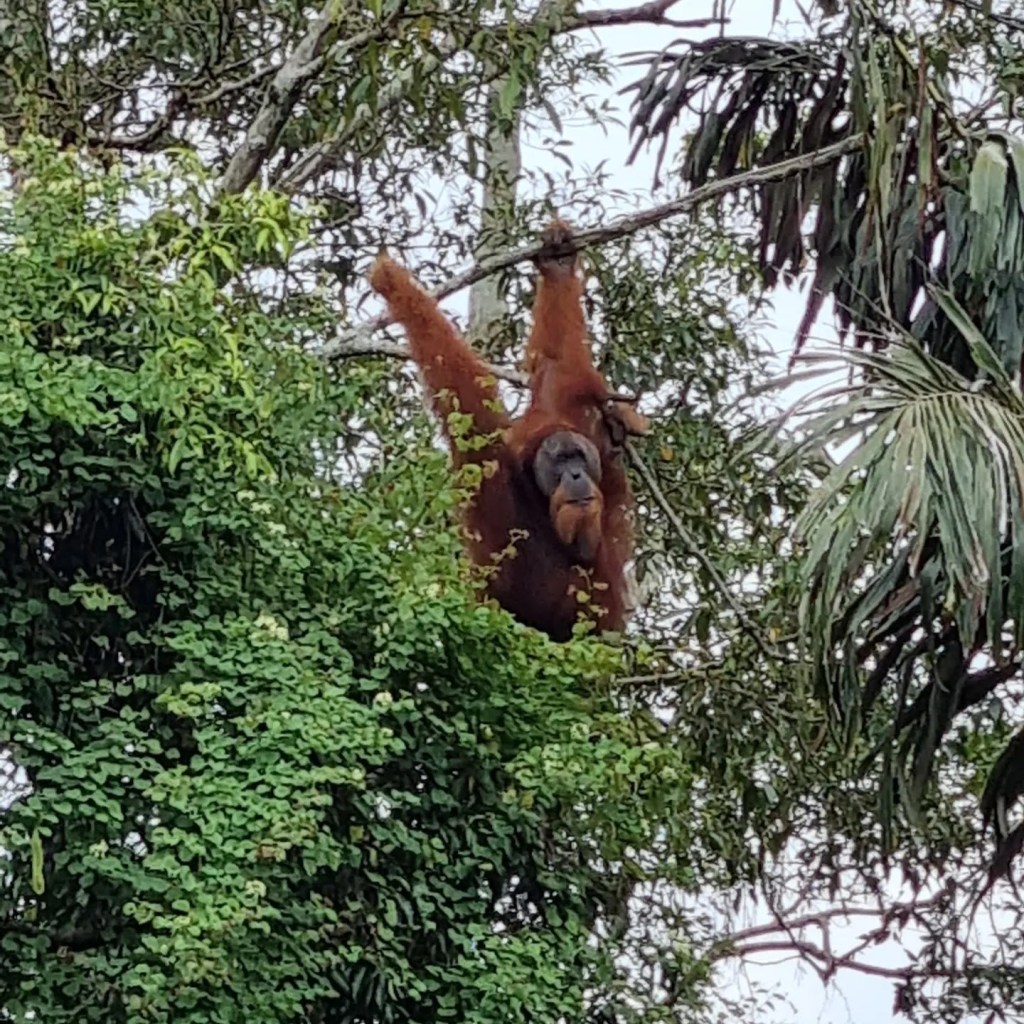
Sumatra felt like a different world compared to Bali or Lombok—far more traditional and way less touristy. We stayed in the jungle in Bukit Lawang, which meant a 15-minute walk from the road just to get to our hut, but honestly, it was all part of the adventure. The best part? Seeing wild orangutan. We decided on a day trek as non of us were really into the idea of wild camping in a jungle and it was actually perfect for us. Just the right amount of walking before the kids started to get tired and then the tubing back down the river at the end was the perfect end to the day. The orangutan were majestic, graceful, gentle and utterly mesmerising. It is heartbreaking that so much of their natural habitat is being destroyed but equally inspiring to see the efforts of the local people to preserve what is left. It was an absolutely unforgettable few days.
6. Komodo National Park day trip

Our day in Komodo National Park was one of the real standouts of the trip and definitely something we’d recommend. We joined a fairly typical group boat with about 25–30 people and spent the day exploring some of the park’s key spots. It started with a walk up to one of the park’s highest points, where we were met with incredible views over the surrounding islands and volcanic landscape. From there, we headed to Komodo Island to look for Komodo dragons—and seeing them up close in the wild was an unforgettable experience. We also stopped at the well-known Pink Beach, where we had time to relax on the unusual rosy sand, swim in the clear turquoise water, and snorkel among a reef full of fish. A real highlight was getting the chance to swim with manta rays—huge, graceful creatures that passed right beneath us. It was a full, memorable day with just the right mix of activity and downtime.

7. Travelling for Hours through Palm Oil Plantations

Driving through Sumatra, one of the most striking—and sobering—sights is the endless expanse of palm oil plantations. Stretching for miles, these uniform rows of trees have largely replaced what was once lush, biodiverse rainforest. It’s a stark reminder of the environmental challenges facing this region, particularly for endangered species like orangutans who are rapidly losing their natural habitat. For our family, it sparked incredible and in depth conversations—not only about the environment, but also about the complex realities for the people who depend on palm oil for their livelihoods. Nothing about the situation is simple. This was worldschooling at the absolute coal face—an unfiltered look at the difficult questions shaping our planet’s future. Our kids didn’t just read about it—they stood in the middle of it, asked the hard questions, and experienced it firsthand. I do say it was a highlight because it was a light bulb moment for me. We’d taken our kids out of school to travel the world, and the questions they asked—and the lessons they learned—about deforestation, sustainability, and the complex challenges facing local communities were nothing short of priceless. These weren’t abstract classroom concepts; they were real, unfolding in front of them, sparking curiosity, compassion, and a deeper understanding of the world they’re growing up in. If anything convinced me that travel is worth it, this was it.

Camping in the City of Lights: Our Stay at Camping de Paris

Follow our travels on Instagram

When you think of Paris, camping probably isn’t the first thing that pops into your mind, right? Well, that’s exactly what we thought—until we pitched our tent at Camping de Paris, nestled in the leafy 16th arrondissement along the Seine. Suddenly, we discovered a whole new way to experience the City of Lights. It was affordable, gave the kids plenty of space to run around, and still kept us close enough to all the Parisian magic.

We were on our way back up north to catch our shuttle home, and as we were passing through, we decided to finally check Paris off our list. The kids were always talking about how they’d been to places like Bangkok but never actually visited Paris—so we made it happen, and camping turned out to be the perfect way to do it!

Everything We Needed, Right on Site

The campsite turned out to be way more spacious than we expected, with fantastic, clean facilities and a really relaxed atmosphere. There’s a central lodge where we could kick back, grab a drink, or even borrow a board game for some family fun. On top of that, there’s a restaurant, a handy grocery shop for essentials and during the warmer months, a food truck rolls in with tasty bites.

While we usually cooked up our own meals at our pitch, by the end of the trip, we’re always ready to switch it up and let someone else do the cooking. The on-site restaurant didn’t disappoint—it had a solid menu that catered to both the adults and the kids, making it the perfect spot to unwind without the hassle of grocery shopping or cooking.

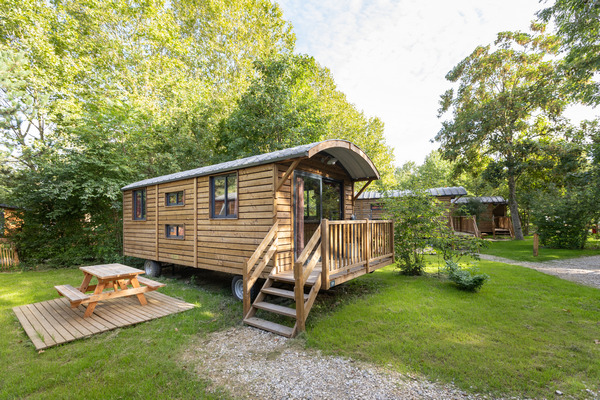
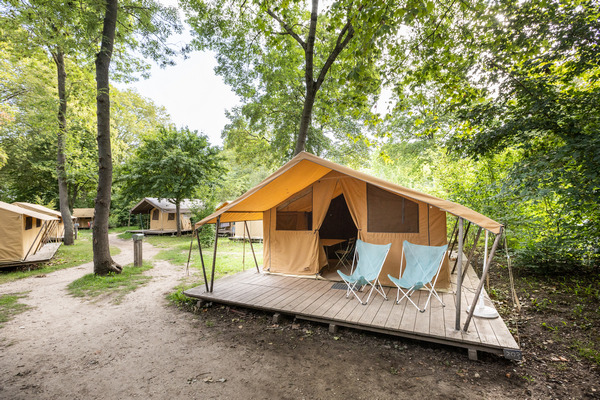
We camped, but there are also chalets, wood trailers and pre-erected canvas tents so there are plenty of options if you’d prefer a little more comfort to an air bed and a little more convenience than having to put up a tent.

Easy Access to the City

The real bonus? Although we were surrounded by nature, getting into the heart of Paris was quick and easy. A shuttle bus runs directly from the campsite to Porte Maillot, where you can hop on the metro and reach major landmarks like the Eiffel Tower and the Louvre in under 30 minutes.

We spent our days sightseeing and our evenings winding down on the campsite—letting the kids ride their bikes, enjoying an apperitif sitting outside our tent in the warmth of the evening and enjoying the rare calm you don’t usually associate with big city trips.

Note: the shuttle doesn’t run too late in the evening, so we made sure to plan our returns accordingly.

Final Thoughts

Our stay at Camping de Paris gave us a completely different kind of Parisian experience. It was relaxed, affordable, and genuinely memorable. We still got to see all the famous sights, but we also had time to slow down, breathe, and enjoy the things we love about camping. We initially booked it because there weren’t any other camping options as close to the centre, but I was really surprised at the quality of the site and the facilites available, all so close to one of the most iconic capitals in the world.

If you’re a family looking for a base that’s calm, convenient, and a little unconventional, we highly recommend it and we’d definitely go back. Paris has never felt more accessible.!

Two months independent family travel in Indonesia

Family travel in Indonesia: a complete 2-month guide covering visa on arrival, visa extension tips, using Gojek, travelling with kids, safety advice, Mount Bromo sunrise, Bali, Sumatra, and more.

Follow our travels on Instagram

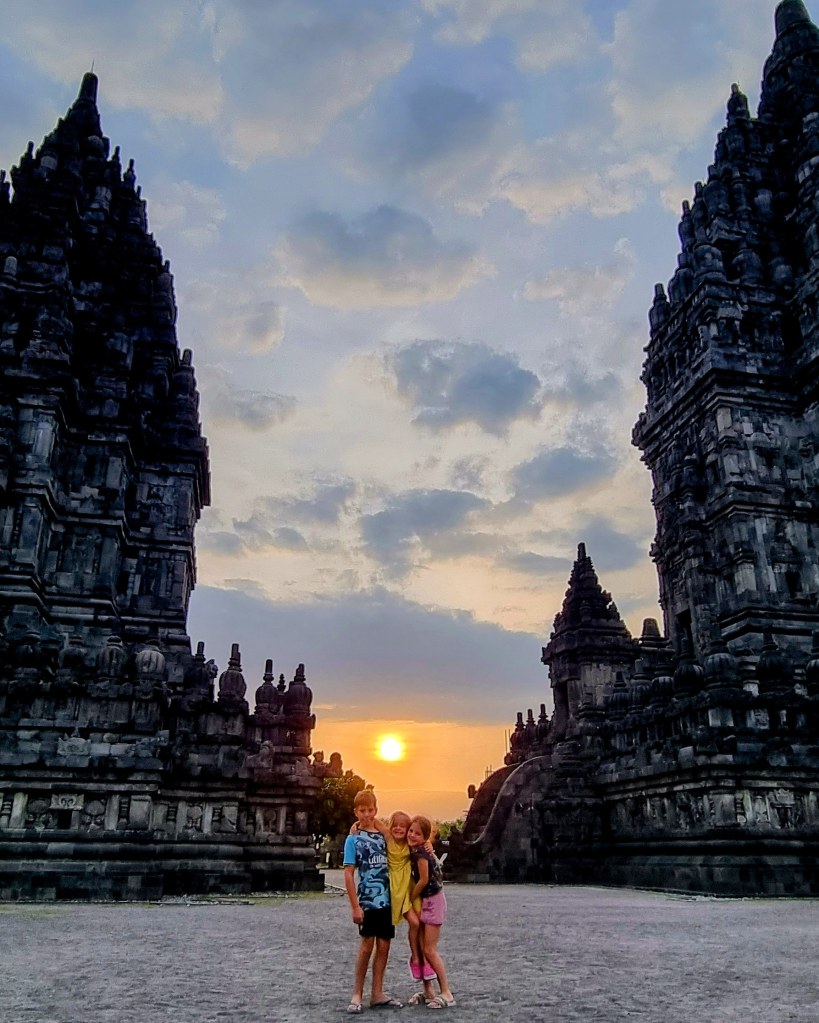
Indonesia is a never-ending adventure. With over 17,000 islands, this Southeast Asian gem offers everything from the buzzing streets of Jakarta to the peaceful rice fields of Ubud, the dense jungles of Sumatra, and the stunning coral reefs of northern Bali and the Gili Islands. We still talk about watching the sunrise over Mount Bromo; it sounds cheesy but it really was surreal. Another unforgettable moment was the sunset behind the ancient spires of Prambanan Temple—genuinely magical. Whether you’re snorkelling in the crystal clear waters of northern Bali, swimming with giant manta rays, peering into roaring volcanoes, or spotting wild Komodo dragons, travelling through Indonesia is full of surprises. It’s home to over 270 million people, and its cultural and geographical diversity is unlike anywhere else in the world.

Mount Bromo at sunrise

We spent two full months in Indonesia as a family in 2022, gaining hands-on experience and practical travel insights. From visa extensions and transport tips to exploring off-the-beaten-path regions, here’s everything we wish we’d known before we went. Also read our highlights for ideas about where to go.

Is Travelling in Indonesia with Children Safe?

Short answer: Yes, Indonesia is safe for families with children. At no point during our trip did we feel unsafe. The Indonesian people were incredibly warm and welcoming—especially to our children.

Of course, common-sense safety rules still apply: be cautious around traffic, take care with street food, and remember that health and safety standards may not match European norms. In more conservative areas, such as parts of Sumatra, respecting local customs is especially important. But overall, Indonesia felt safe, friendly, and family-friendly.

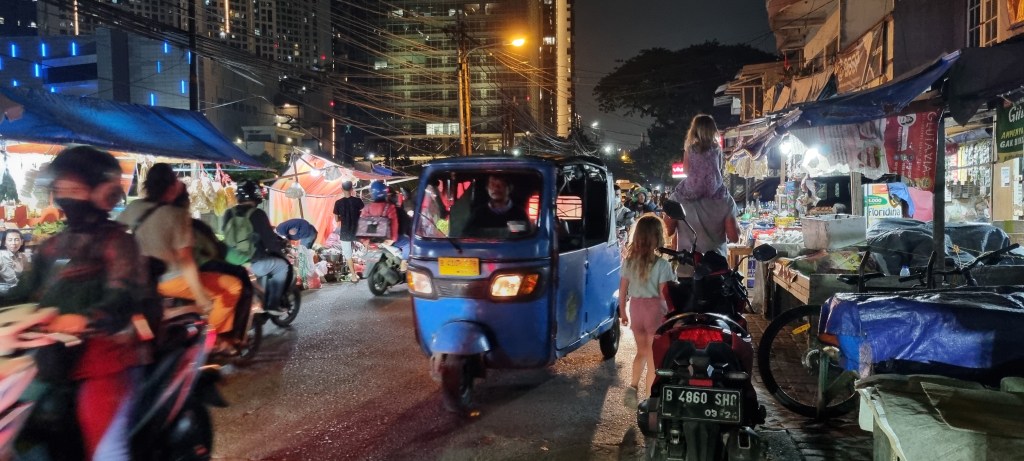
The busy (but brilliant) streets of Jakarta

Accept you can’t see it all

Two months might seem like plenty of time to travel, but in a country as massive and wildly diverse as Indonesia, it barely scratches the surface. We’re talking over 17,000 islands—each with its own vibe, landscapes, food, and culture. Getting around isn’t always quick either; think long ferry rides, bumpy bus journeys, and the occasional island-hopping flight. From the dramatic volcanoes of Java to Sumatra’s dense jungles, the spiritual buzz of Bali, and the hidden paradise of Karimunjawa, you’ll find yourself constantly choosing between amazing places—and realising there’s just no way to see it all. But honestly? That’s part of the magic. Indonesia doesn’t just offer a trip; it teases you with a glimpse and makes you want to come back. And don’t worry—whatever you do manage to fit in will absolutely blow you away.

Beach in Karimunjawa

Visa on Arrival in Indonesia and How to Extend It

If you’re planning a longer trip to Indonesia, you’ll need to understand the Visa on Arrival (VOA) process. We entered the country via Jakarta Airport, where we paid the visa fee in cash—note that we could only pay in cash, but there are plenty of ATMs in the arrivals hall.

The VOA is valid for 30 days, and if you’re staying longer (like we did), you’ll need to extend your Indonesian visa. While in Bali, we explored our options and ended up using a visa extension agency. Although it cost a bit more than doing it ourselves, it saved so much time and hassle. The agency took care of the paperwork and immigration visits, allowing us to explore the rest of the island stress-free.

You’ll need to hand over your passport temporarily (they’ll give you a photocopy and cover letter, which hotels accept), and collect it a few days later—super convenient, especially if you’re travelling onward to places like Lombok.


Download the Gojek App: Your Best Travel Companion in Indonesia

If you’re visiting cities like Jakarta, Yogyakarta, or Denpasar, don’t leave without downloading Gojek—Indonesia’s answer to Uber, but with more features. It made getting around Indonesia much easier, especially in areas where public transport was limited or confusing.

From ordering food to booking a last-minute ride, Gojek in Indonesia is a total lifesaver for families and solo travellers alike. It’s safe, reliable, and available in most major tourist areas.


Get a SIM Card at the Airport

One of our top Indonesia travel tips: buy your SIM card at the airport. We tried finding one in town later on and it was far more difficult than expected. Having mobile data from day one made navigation, bookings, and communication so much easier—especially when using apps like Gojek or Google Maps.

Surfer at Seminyak Beach in Bali

Understanding Cultural Norms in Indonesia

While Indonesia is known for its tourism hotspots like Bali and Yogyakarta, we also visited Aceh in northern Sumatra, where Sharia law is in effect. Although this didn’t directly impact us as tourists, it’s essential to be aware of local expectations.

In places like Aceh:

  • Dress modestly (shoulders and knees covered)
  • Avoid public displays of affection
  • Unmarried couples may be asked not to share accommodation
  • Alcohol is banned, so don’t bring or ask for it

We also found limited access to international ATMs in Banda Aceh and Pulau Weh, so carry enough cash when heading to more remote or conservative regions.

If you decide to experience these lesser visited parts of Indonesia, you will stand out and attract attention. It’s not always comfortable but we never felt it a threat. We generally decided to go with it and politely decline photos of the kids if we felt uncomfortable. We did feel like celebrities at times! Just be aware that it happens and while you really don’t need to feel nervous, it’s worth deciding how to deal with it.

Visiting a mosque in Medan, Sumatra

Final Thoughts: Why Indonesia Is Worth Exploring for Longer

From the temples of Java to the turquoise waters of the Gili Islands, and the welcoming people across every region, Indonesia rewards slow, mindful travel. The diversity of landscapes, cultures, and experiences is unmatched—and two months still didn’t feel like anywhere near enough. I feel like you could spend a lifetime travelling Indonesia.

If you’re considering long-term travel in Indonesia, especially with a family, we wholeheartedly recommend it. With the right planning, the country offers a perfect blend of adventure, culture, and connection.