
Family travel in Indonesia: a complete 2-month guide covering visa on arrival, visa extension tips, using Gojek, travelling with kids, safety advice, Mount Bromo sunrise, Bali, Sumatra, and more.
Follow our travels on Instagram
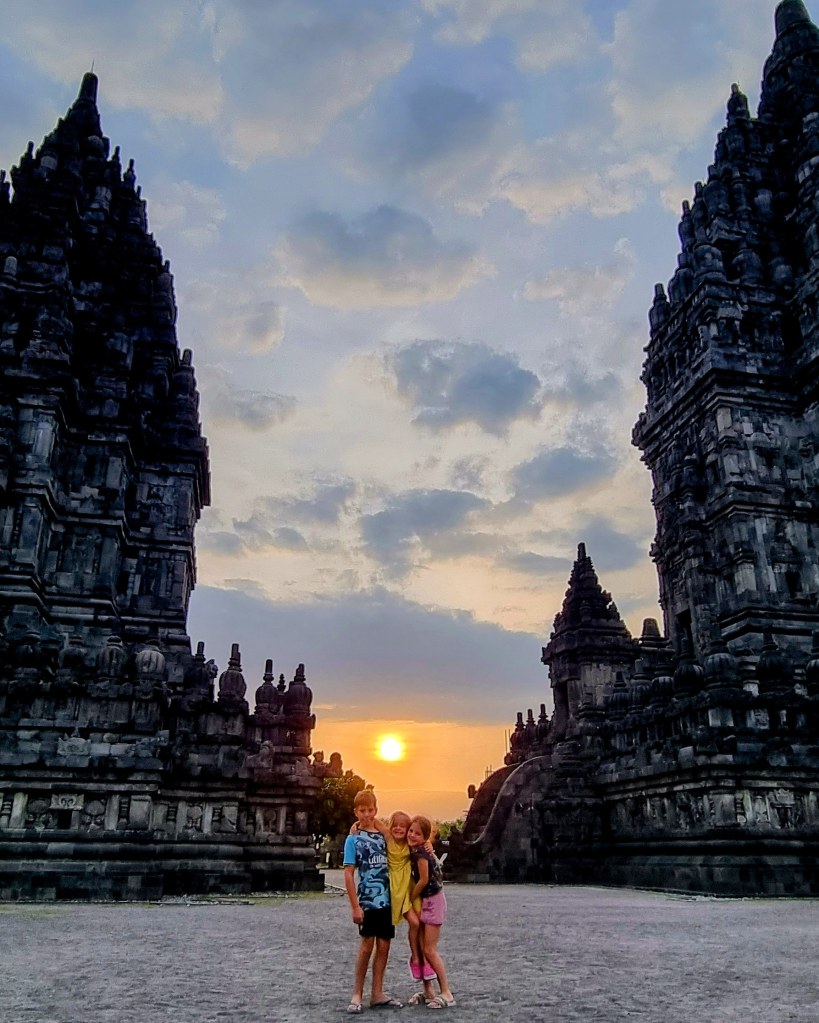
Indonesia is a never-ending adventure. With over 17,000 islands, this Southeast Asian gem offers everything from the buzzing streets of Jakarta to the peaceful rice fields of Ubud, the dense jungles of Sumatra, and the stunning coral reefs of northern Bali and the Gili Islands. We still talk about watching the sunrise over Mount Bromo; it sounds cheesy but it really was surreal. Another unforgettable moment was the sunset behind the ancient spires of Prambanan Temple—genuinely magical. Whether you’re snorkelling in the crystal clear waters of northern Bali, swimming with giant manta rays, peering into roaring volcanoes, or spotting wild Komodo dragons, travelling through Indonesia is full of surprises. It’s home to over 270 million people, and its cultural and geographical diversity is unlike anywhere else in the world.
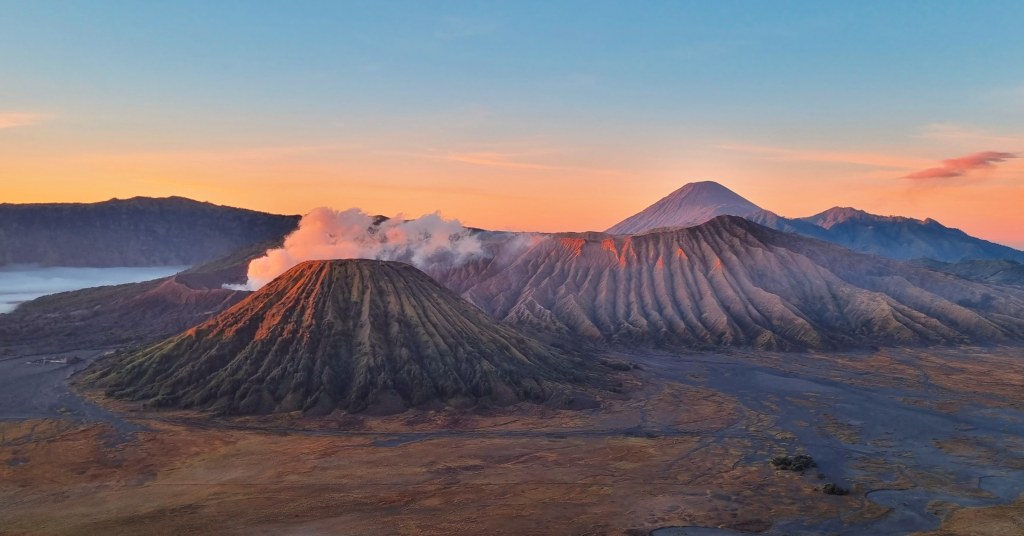
We spent two full months in Indonesia as a family in 2022, gaining hands-on experience and practical travel insights. From visa extensions and transport tips to exploring off-the-beaten-path regions, here’s everything we wish we’d known before we went. Also read our highlights for ideas about where to go.
Is Travelling in Indonesia with Children Safe?
Short answer: Yes, Indonesia is safe for families with children. At no point during our trip did we feel unsafe. The Indonesian people were incredibly warm and welcoming—especially to our children.
Of course, common-sense safety rules still apply: be cautious around traffic, take care with street food, and remember that health and safety standards may not match European norms. In more conservative areas, such as parts of Sumatra, respecting local customs is especially important. But overall, Indonesia felt safe, friendly, and family-friendly.
Accept you can’t see it all
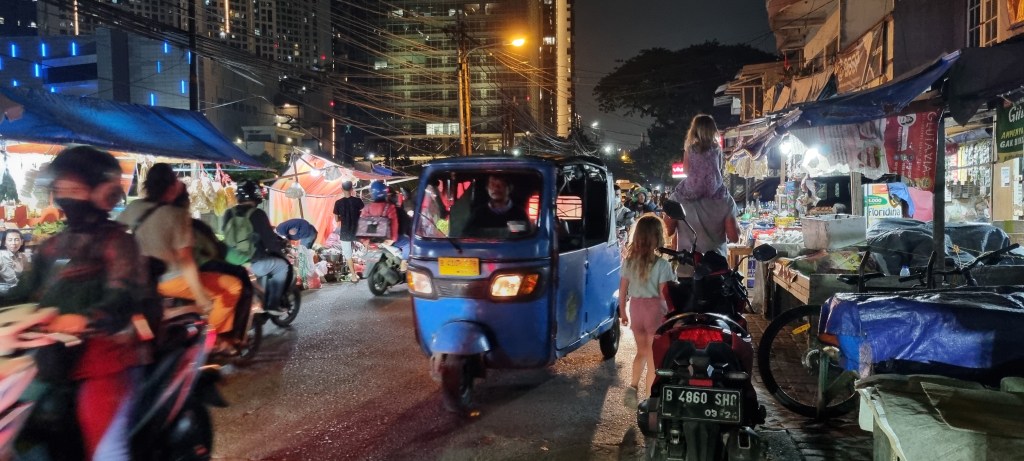
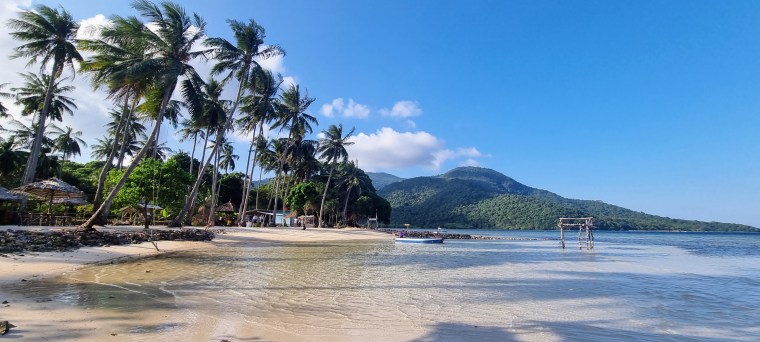
Two months might seem like plenty of time to travel, but in a country as massive and wildly diverse as Indonesia, it barely scratches the surface. We’re talking over 17,000 islands—each with its own vibe, landscapes, food, and culture. Getting around isn’t always quick either; think long ferry rides, bumpy bus journeys, and the occasional island-hopping flight. From the dramatic volcanoes of Java to Sumatra’s dense jungles, the spiritual buzz of Bali, and the hidden paradise of Karimunjawa, you’ll find yourself constantly choosing between amazing places—and realising there’s just no way to see it all. But honestly? That’s part of the magic. Indonesia doesn’t just offer a trip; it teases you with a glimpse and makes you want to come back. And don’t worry—whatever you do manage to fit in will absolutely blow you away.
Visa on Arrival in Indonesia and How to Extend It
If you’re planning a longer trip to Indonesia, you’ll need to understand the Visa on Arrival (VOA) process. We entered the country via Jakarta Airport, where we paid the visa fee in cash—note that we could only pay in cash, but there are plenty of ATMs in the arrivals hall.
The VOA is valid for 30 days, and if you’re staying longer (like we did), you’ll need to extend your Indonesian visa. While in Bali, we explored our options and ended up using a visa extension agency. Although it cost a bit more than doing it ourselves, it saved so much time and hassle. The agency took care of the paperwork and immigration visits, allowing us to explore the rest of the island stress-free.
You’ll need to hand over your passport temporarily (they’ll give you a photocopy and cover letter, which hotels accept), and collect it a few days later—super convenient, especially if you’re travelling onward to places like Lombok.
Download the Gojek App: Your Best Travel Companion in Indonesia
If you’re visiting cities like Jakarta, Yogyakarta, or Denpasar, don’t leave without downloading Gojek—Indonesia’s answer to Uber, but with more features. It made getting around Indonesia much easier, especially in areas where public transport was limited or confusing.
From ordering food to booking a last-minute ride, Gojek in Indonesia is a total lifesaver for families and solo travellers alike. It’s safe, reliable, and available in most major tourist areas.
Get a SIM Card at the Airport
One of our top Indonesia travel tips: buy your SIM card at the airport. We tried finding one in town later on and it was far more difficult than expected. Having mobile data from day one made navigation, bookings, and communication so much easier—especially when using apps like Gojek or Google Maps.

Understanding Cultural Norms in Indonesia
While Indonesia is known for its tourism hotspots like Bali and Yogyakarta, we also visited Aceh in northern Sumatra, where Sharia law is in effect. Although this didn’t directly impact us as tourists, it’s essential to be aware of local expectations.
In places like Aceh:
- Dress modestly (shoulders and knees covered)
- Avoid public displays of affection
- Unmarried couples may be asked not to share accommodation
- Alcohol is banned, so don’t bring or ask for it
We also found limited access to international ATMs in Banda Aceh and Pulau Weh, so carry enough cash when heading to more remote or conservative regions.
If you decide to experience these lesser visited parts of Indonesia, you will stand out and attract attention. It’s not always comfortable but we never felt it a threat. We generally decided to go with it and politely decline photos of the kids if we felt uncomfortable. We did feel like celebrities at times! Just be aware that it happens and while you really don’t need to feel nervous, it’s worth deciding how to deal with it.

Final Thoughts: Why Indonesia Is Worth Exploring for Longer
From the temples of Java to the turquoise waters of the Gili Islands, and the welcoming people across every region, Indonesia rewards slow, mindful travel. The diversity of landscapes, cultures, and experiences is unmatched—and two months still didn’t feel like anywhere near enough. I feel like you could spend a lifetime travelling Indonesia.
If you’re considering long-term travel in Indonesia, especially with a family, we wholeheartedly recommend it. With the right planning, the country offers a perfect blend of adventure, culture, and connection.
 Kitchen Family Travels